Reviewed · BUCHAREST TOURS
Slavery in Romania Myths and Truths About Roma
This Bucharest walk is interesting because it uses real city landmarks to challenge myths about Roma history, including painful chapters that many visitors never hear. You start with major culture stops, then shift into politics, education, and finally the Holocaust Memorial, all while walking a tight route.
I love how it pairs big-name places like the Romanian Athenaeum with people tied to Romanian political life and Roma-related writing, including Iuliu Maniu and Mihail Kogălniceanu. I also like that the tour ends at Mesteshukar ButiQ [MBQ], a small shop where Roma craftsmanship is right in front of you, not just described in theory.
One possible drawback: the subject matter can be heavy, and it is still a walk between stops, so bring sensible shoes and pace yourself.
Key Highlights You Should Know

- Small group, max 15 people: You get more room to ask questions without feeling herded.
- English guide with strong focus: Expect clear explanations built around specific places in Bucharest.
- A smart mix of stops: Art and architecture first, then politics and education, then WWII memory.
- Holocaust Memorial stop included: You get the part many guides skip, tied to Roma persecution and the idea of the forgotten Holocaust.
- Hands-on ending at MBQ: You finish with authentic, hand-crafted items from Roma makers.
Myths, Truths, and Why This Route Works in Bucharest

This tour is built around one core idea: you can learn a lot about a complicated topic by walking past the places where it shaped real decisions. Instead of staying in a classroom, you move through Bucharest’s public spaces and landmarks, and the guide connects each stop to the broader story about Roma, misconceptions, and what Romania remembers and forgets.
What makes it especially useful for you is the pacing. You do not jump straight into the darkest material. You start with culture and prominent figures, then you move into education, public life, and finally WWII memory. That order helps you follow the reasoning, not just memorize facts.
And yes, it can get serious. The Holocaust Memorial stop is included on purpose. If you want a purely light, scenic afternoon, this one might feel too weighty. If you want context, it is exactly the point.
More Bucharest options to weigh up
- Bucharest: Dracula’s Castle, Peles Castle, & Brasov Old Town
★ 4.5 · 17,858 reviews - Bucharest: Dracula Castle, Peles Castle & Brasov Old Town
★ 4.6 · 10,891 reviews - Bucharest: Dracula’s Castle, Peleș Castle & Brașov Day Trip
★ 4.4 · 6,100 reviews
Meeting Point at Teatrul Ion Creangă, Then a 3-Hour Walking Plan

The tour starts at Teatrul Ion Creangă, Sala Mare, at Strada Piața Amzei 13 in Bucharest at 10:00 am. It runs about 3 hours, and the rest of the time is simply walking between stops.
You will also want to plan for moderate walking. The itinerary is designed like a city walk, not a bus tour, so good shoes matter. If you rely on the metro or tram, the tour is near public transportation, so you can get to the start without drama.
One practical win: you get a mobile ticket, which keeps things simple on the day. Another small bonus is the cake snack included, so you are less likely to be distracted by hunger at the wrong moment.
Romanian Athenaeum Stop: Art That Sets the Tone

You begin at the Romanian Athenaeum, one of Bucharest’s most important cultural landmarks. The building is known as Romania’s house of art and it houses the National Romanian Philarmonic.
This first stop is more than a photo moment. Starting here makes sense because your guide can frame the wider story as something tied to identity, public life, and national culture, not just side streets and isolated monuments. It gives you a baseline for how Bucharest presents itself, before the tour questions what gets said, and what gets left out.
The stop is listed as 20 minutes, and admission is free for this part. If you care about architecture and the role of cultural institutions, you’ll appreciate that the tour puts something major right at the start, where your attention is still fresh.
Iuliu Maniu Statue: Political Power and Roma-Linked Context

Next you meet the Iuliu Maniu Statue. Iuliu Maniu is presented as an important figure in Romania’s political life, and the tour connects him not only to the story of Roma, but also to the development of modern Romania.
This is one of the key “thinking” stops. Statues can feel like background decoration when you do not know who they are for. Here, the guide’s job is to connect a public monument to specific historical pathways, so you understand why the person is shown in the first place and what that meant for society.
This stop is also listed at 20 minutes, with free admission. You will likely come away with a clearer sense that Roma history in Romania is not only about social attitudes, but also about the decisions and debates that shaped policy and public life.
Same base, a completely different day:
- Bucharest: Palace of Parliament Tickets and Guide
★ 4.3 · 3,182 reviews - Bucharest: Day Trip to Dracula Castle, Peles Castle & Brașov
★ 4.4 · 3,049 reviews - Bucharest to Dracula Castle, Peles Castle and Brasov Guided Tour
★ 4.5 · 2,933 reviews - Bucharest: Palace of Parliament Tickets and Guided Tour
★ 4.4 · 1,877 reviews
Palatul Stirbei: A Look at 19th-Century Valachia Life

At Palatul Stirbei, you get a short jump into the 19th century. The tour describes it as the house of Barbu Stirbey, a ruler of Valachia, and it positions him as an important person in the tour’s overall story.
For you, the value here is perspective. When you are talking about myths and truths, you need a sense of the time period where power sat and how daily life worked. Big historical themes can feel abstract until you relate them to places where people like Barbu Stirbey lived and operated.
The stop is 20 minutes, with admission marked as free. This part works well if you enjoy “setting the scene” because it helps you connect later stops, like education and memorials, to the long chain of cause and effect.
Cismigiu Parc Walk: Gardens, Ruins, and Built-In Storytelling

Cismigiu Parc is where the tour slows into a relaxed walk. It is described as the largest and most beautiful garden in the city, and the route includes several surprises along the way.
You can expect additional landmarks in and around the park: a very famous high school, the ruins of an old monastery, and a viewpoint over the park. Since the itinerary lists 30 minutes for this segment, you get enough time to let the guide point out what matters instead of rushing through.
This is also a helpful moment if you feel overwhelmed by heavy themes. A park walk gives you breathing room while you keep learning. Just remember, it is still part of a walking tour, so do not plan on sprinting between photo stops.
Admission is free for this park segment too, and this stop is a good example of why the tour route feels cohesive rather than random.
Gheorghe Lazăr National College: Education as a Key

You next stop at Gheorghe Lazăr National College, right at the entrance in Cismigiu Park. It is presented as the best quoted high school in the city, and the tour treats education as a key theme in the story.
I like that the tour uses a school to make a point. When you talk about myths, it is easy to focus only on stereotypes and politics. Here, the guide pushes you toward the idea that education affects who gets heard, who gets believed, and how societies decide what to treat as normal.
This stop is 15 minutes, with admission free. If you enjoy seeing how social change can show up in institutions, you will probably find this a meaningful pivot point between the calm of the park and the seriousness of the WWII stop.
Holocaust Memorial: The Forgotten Holocaust and Roma WWII Suffering

Then comes the stop that carries the most weight: the Holocaust Memorial. The tour is explicit about its focus, explaining the rough story of Roma during World War II and highlighting something described as the forgotten Holocaust.
This is not a casual side visit. The memorial is said to be the most impressive monument built in memory of Holocaust victims in Romania, and it is included because your guide ties the memorial to a missing or minimized part of WWII memory.
For you, the practical takeaway is emotional preparation. Give yourself a few minutes to settle your thoughts there, and do not rush the reading or the explanation. If your goal is to understand the full picture, this is where the tour delivers.
The stop is 15 minutes and admission is free. Even with that short time, it should land because it is about memory, not just information.
Piața Mihail Kogălniceanu: A Writer Who First Put Roma in Print
At Piața Mihail Kogălniceanu, you meet Mihail Kogălniceanu, described as a famous politician and writer in Romanian history. The tour also calls out that he was the first to write about Romanian Roma.
This is a fascinating stop because it shifts you from monuments and buildings to words. When a society writes about a group, the language used can shape policy and public opinion for generations. The guide’s framing helps you see why a writer matters in a tour about myths and truths.
This stop is 10 minutes, with admission free. It is shorter, but it is an important connector, because it gives you a different angle on how Roma-related narratives moved from everyday life into public discourse.
Mesteshukar ButiQ [MBQ]: Ending With Roma Crafts You Can Actually See
The tour ends at Mesteshukar ButiQ [MBQ], a small shop with authentic pieces hand-crafted by Roma makers. This last stop is described as a chance to meet the reality of Roma culture and tradition, and it frames the shop as a representation of Roma craftsmanship.
I love the logic of ending here. It keeps the story from feeling one-note. Yes, the tour covers discrimination and WWII persecution, but it also gives you a living, working cultural thread at street level. You can browse, ask questions, and see what skill looks like when it is valued through trade and making.
The tour end point is Bulevardul Mihail Kogălniceanu 12, and the shop is marked as the finish, so you can plan to continue your day afterward nearby. If you want something tangible to remember the walk, this is where you do it.
Price and Value: What $127.37 Buys You in 3 Hours
At $127.37 per person for about 3 hours, this is not a bargain-bin add-on. You are paying for a guided, structured walking experience with admission for the included stops marked as free.
Here is where the value comes from for you:
- Professional English-speaking guide for the full time.
- A route that includes major landmarks and a memorial, not just casual street wandering.
- A small group size (max 15), which usually means better pacing and more interaction.
- A small included snack (cake snack), so you are not spending the whole time hunting food.
- A practical finish at MBQ, where your learning has a real-world counterpart.
If you like learning through places, and you prefer an organized narrative rather than building it yourself from a map and a few Wikipedia tabs, the price starts to make sense fast. If you already feel confident about Roma history and WWII memory work, you might not need a guide. But for most visitors, this tour turns Bucharest into a usable classroom without turning it into a lecture hall.
Who This Tour Suits Best (and Who Might Prefer Something Else)
This tour is best for you if you want a thoughtful mix of Bucharest landmarks and a guided explanation of Roma-related myths and truths, including the Holocaust Memorial stop. It also suits you if you like finishing with a culture stop where you can see crafts and ask questions in a real shop.
You might want to skip it or consider another option if you are traveling with limited tolerance for heavy topics. Even though the walk includes lighter cultural stops like the Athenaeum and Cismigiu Park, the memorial material is a core part of the route.
It is also a moderate walking experience. If your mobility is limited, you will want to plan for time at each stop and bring supportive footwear. The good news is that you stay in the city and it is near public transportation.
Tips to Make the Most of the Walk
Bring comfortable shoes. You are walking between multiple stops, and the time adds up even if each stop is short.
Dress for the weather in Bucharest. Cismigiu Parc is outdoors, and it will set the tone for how pleasant the middle of the tour feels.
If you tend to get overwhelmed by memorials, go slower. You do not need to absorb everything at once, you just need to let it land.
And when you reach MBQ, take your time. It is more rewarding when you treat it like a real cultural encounter, not just a quick checkout stop.
Should You Book This Bucharest Tour?
Book this tour if you want more than surface-level sightseeing, and you like learning through specific places tied to politics, education, and WWII memory. The small group size and the structured stop sequence help you keep up, even when the topic gets heavy.
Skip it only if your priority is light, entertainment-first walking, or if you are not comfortable with Holocaust-related material about Roma history. For the right mindset, this is a focused, meaningful Bucharest experience that connects the city’s landmarks to the stories they helped shape.
FAQ
How long is the tour?
The tour lasts about 3 hours.
Where does the tour start and end?
It starts at Teatrul Ion Creangă, Sala Mare, Strada Piața Amzei 13, București, and ends at Mesteshukar ButiQ [MBQ], Bulevardul Mihail Kogălniceanu 12, București.
What is included in the price?
A professional English-speaking guide and a cake snack are included. The stops in the itinerary are listed as admission ticket free.
Is the tour offered in English?
Yes, it is offered in English.
Do I get a mobile ticket?
Yes, the tour includes a mobile ticket.
Is coffee or tea included?
No. Coffee and/or tea are not included, and there will be a short stop on the way where you can pay for it.
How big is the group?
The maximum group size is 15 travelers.
Can I cancel for a full refund?
You can cancel for free up to 24 hours in advance of the experience for a full refund. If you cancel less than 24 hours before the start time, you do not get a refund.
Latest reviews from around Bucharest
- ATV Adrenaline Race in Carpathian – Private Tour★ 5.0 · 4 reviews
- Private Tour of Jewish Bucharest★ 5.0 · 4 reviews
- Bulgaria One Day Private Tour from Bucharest★ 5.0 · 4 reviews
- Discover Medieval Transylvania Small Group Tour – 7 days★ 5.0 · 4 reviews
- In Search of Dracula and the Teutons in Transylvania Full-Day Private Tour★ 5.0 · 4 reviews
- Bulgaria Day Trip – Private Tour from Bucharest – Veliko Tarnavo & Arbanasi★ 5.0 · 4 reviews
- Private tour: Medieval cities of Transylvania, 2 Days from Bucharest★ 5.0 · 4 reviews
- Black See, Constanta and Mamaia Beach – Day Trip from Bucharest★ 5.0 · 4 reviews
Bucharest Tours, compared.
Bucharest: Dracula’s Castle, Peles Castle, & Brasov Old Town
Read our review →
Bucharest: Dracula Castle, Peles Castle & Brasov Old Town
Read our review →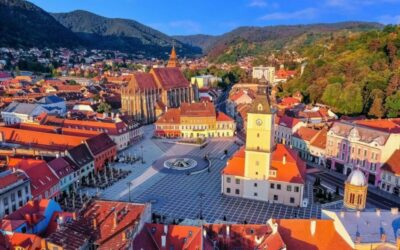
Bucharest: Dracula’s Castle, Peleș Castle & Brașov Day Trip
Read our review →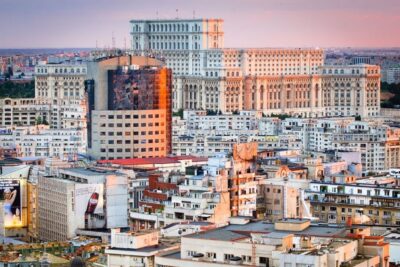
Bucharest: Palace of Parliament Tickets and Guide
Read our review →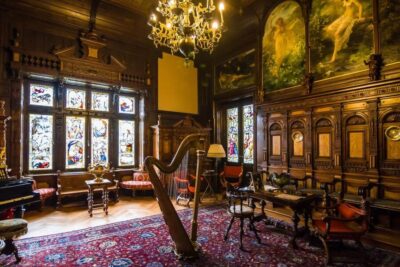
Bucharest: Day Trip to Dracula Castle, Peles Castle & Brașov
Read our review →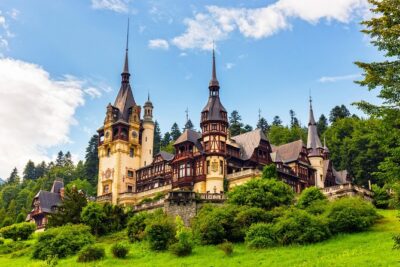
Bucharest to Dracula Castle, Peles Castle and Brasov Guided Tour
Read our review →
Bucharest: Palace of Parliament Tickets and Guided Tour
Read our review →