Reviewed · BUCHAREST TOURS
Eastern Orthodox Church Art in Bucharest
Bucharest can feel like a city of faces and façades. This tour slows you down to look at what’s inside the churches, where Orthodox icon art and frescoes tell Wallachian stories in color and gold. I especially love how the route connects monuments in a way that feels like going back to the Wallachian Middle Ages, not just sightseeing.
Two things I like a lot: first, you get a focused look at Byzantine and Orthodox church painting instead of random photo stops. Second, the small group format (limited to 10) makes it easier to ask questions while you stand close enough to actually see brushwork and icon details.
The only real drawback is also the point of it all: these are active churches, not museum rooms. You need modest dress and quiet, respectful behavior, and a service day can mean some moments are less flexible than a pure museum visit.
Key things to know before you go
- 2.5 hours, small group (10 max), so you are not rushing alone between churches
- Starting in front of the Anton icon shop, a smart spot to orient yourself
- Byzantine-style icons and Orthodox frescoes, with guided interpretation, not just looking
- Several active worship spaces, so dress and behavior matter
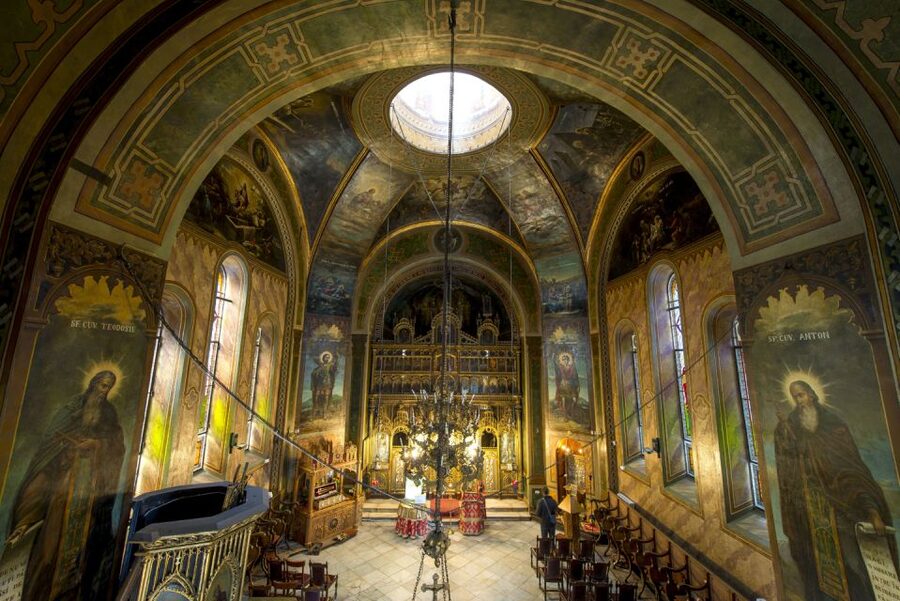
- A mix of old and 19th-century styles, from older preserved frescoes to neo-Baroque details
Eastern Orthodox church art in Bucharest: what you’re really seeing
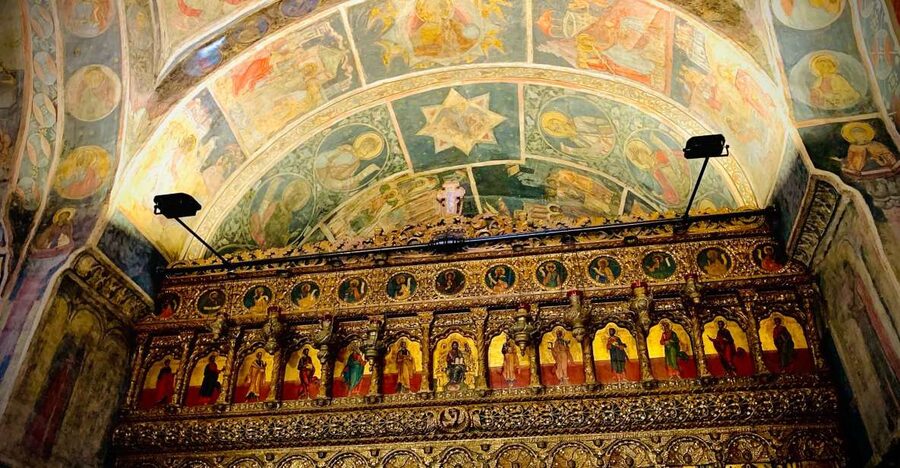
This is not a checklist tour. It’s a guided walk through the visual language of Eastern Orthodoxy as it’s practiced and preserved in Bucharest. The churches are doing more than decorating walls. They’re teaching, guiding prayer, and keeping memory alive through images of Christ, saints, and biblical scenes rendered in the Orthodox tradition.
You’ll move through different neighborhoods and styles, but the constant theme is how church art works as spiritual communication. Orthodox painting tends to be less about realistic perspective and more about clarity of message. Faces look a bit stylized because the goal is recognition and meaning, not lifelike photography. When you see frescoes up close, you start to notice how the composition directs your eye, how halos and clothing shapes separate figures, and how scenes are arranged to be read during prayer.
And you are not stuck with one type of artwork either. The route is built around painted churches and icon-centered spaces, with stops that spotlight frescoes and icon art across multiple periods. That variety is a big reason this tour has a strong rating, because you are not just repeating the same view six times.
If you enjoy art history, yes, this scratches that itch. If you prefer cultural context, it works that way too. The guide explains what Orthodox symbolism typically means and why it looks the way it does, so you leave with more than photos.
More Bucharest options to weigh up
- Bucharest: Dracula’s Castle, Peles Castle, & Brasov Old Town
★ 4.5 · 17,858 reviews - Bucharest: Dracula Castle, Peles Castle & Brasov Old Town
★ 4.6 · 10,891 reviews - Bucharest: Dracula’s Castle, Peleș Castle & Brașov Day Trip
★ 4.4 · 6,100 reviews
Where the tour starts, the Anton icon shop, and getting your bearings fast
The meeting point is simple: stand in front of the Anton icon shop. Arriving here matters, because it sets your mental map before you step into the church circuit. Icon shops in Orthodox Romania are often where the tradition feels most tangible. Even if you don’t buy anything, you can see how icons are framed, handled, and treated as devotional objects rather than souvenirs.
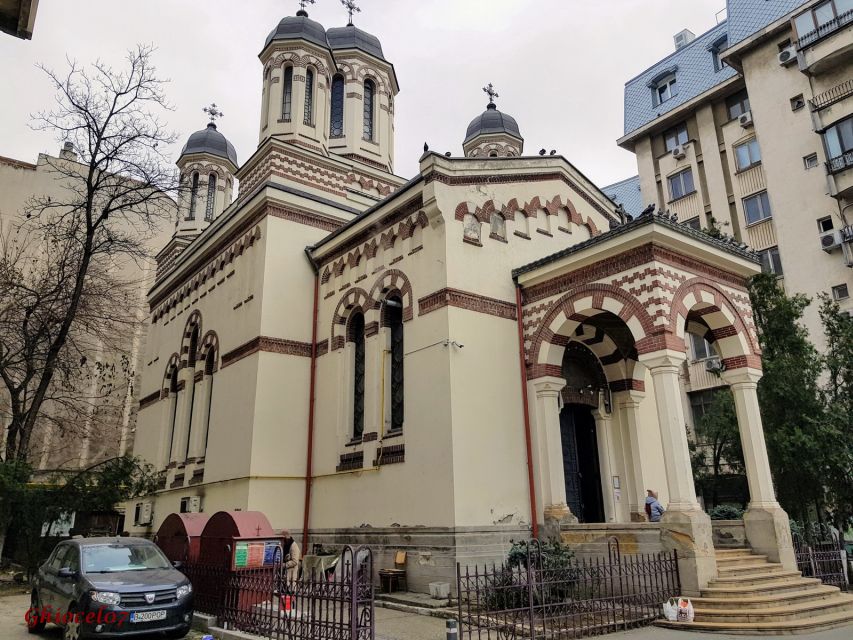
From there, the tour begins near the Old Princely Court area, and the first church stop is Saint Anton Church. This is a strong start because it gets you into the atmosphere quickly. You’re not waiting until later to look at painted surfaces and icon art. The guide also uses the early stop to establish what you’ll be looking for as the route continues.
Practical tip: bring comfortable shoes and plan for uneven sidewalks and repeated entry and exit from churches. Since the stops are active worship spaces, you’ll also want a bit of patience for how people move inside.
One more smart thing to know from past tour experiences: the guide may take extra time for icon shopping if the day is calm. Because the group is capped at 10, you can get a more personal pace than a large bus tour. That means if icons are on your list, you might actually have time to browse.
Saint Anton and the Old Princely Court vibe
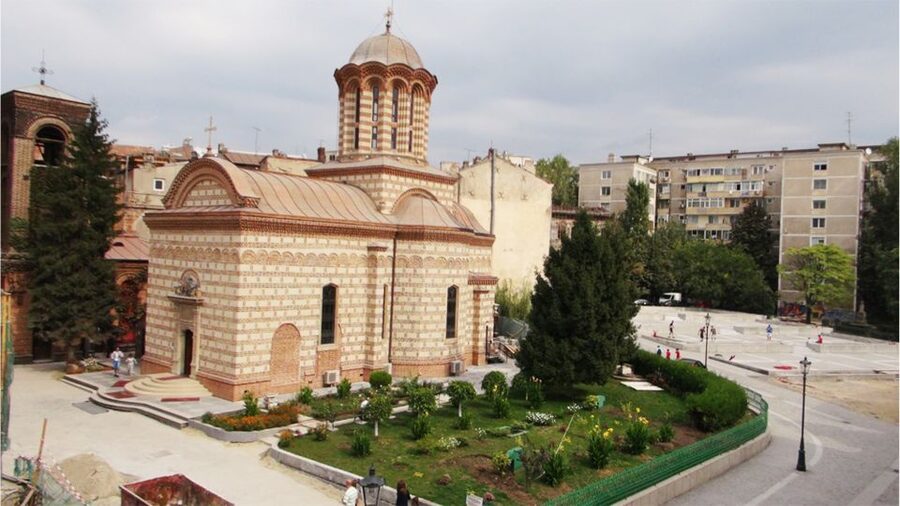
Saint Anton Church gives you a first taste of why these churches are worth your attention. You’re looking at Orthodox sacred art in a setting where it still functions as part of daily religious life. That changes how you experience it. A museum label tells you what something is. A church wall tells you what people used it for.
I like this opening stop because it helps you understand the tone of the entire walk. The paintings are not random decorations. They’re part of a worldview where images support worship. As you watch the guide point out details, you’ll start to see the difference between “pretty church painting” and iconography designed for spiritual reading.
This is also where you learn that behavior matters. People may be praying quietly, lighting candles, or moving respectfully through the space. The best mindset is simple: keep your voice low, avoid blocking entrances, and follow the guide’s instructions on when to stand back and when to step closer for viewing.
Lipscani Street to Saint George Km0: frescoes and why the location matters
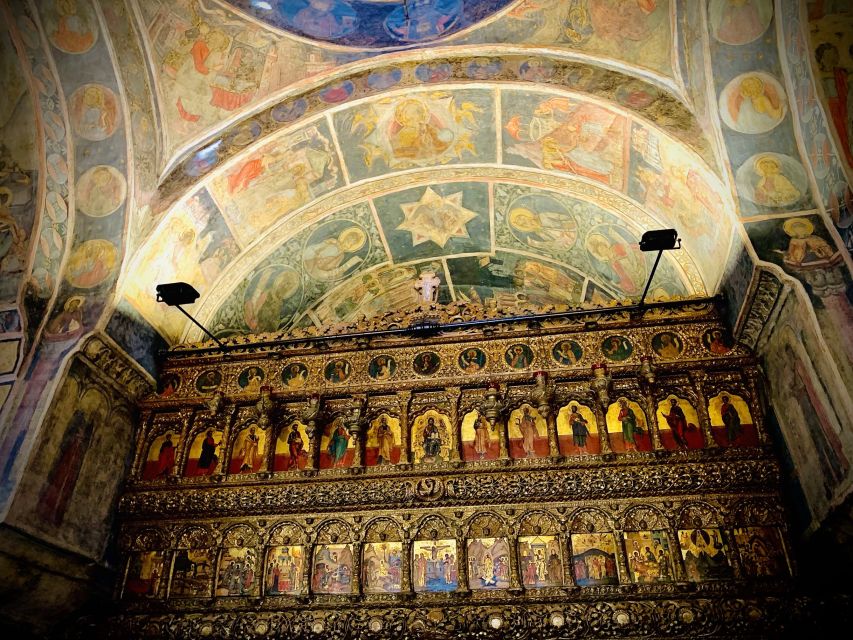
Next, you head along Lipscani street to Saint George Km0 Church. The name alone is a clue that this stop has a sense of place. It’s part of the city’s everyday pulse, but the church interior shifts the mood fast.
Here, you’ll admire a fresco made by one of Romania’s greatest church painters. Even without catching a specific artist name, the point is that this is high-caliber work. A guided tour helps you look beyond general impressions and notice how a master’s style shows up in faces, drapery, and the rhythm of scenes.
Why Lipscani matters: walking this stretch connects the church art to the street life around it. You get a sense of how Bucharest layers eras. Outdoors, the city moves. Indoors, you slow down again, and the paintings become the main event.
What to do here: give yourself time to stand where you can actually see the painted surfaces without craning or leaning into other visitors. If you want photos, ask first when the guide recommends it. In active churches, a quick flash can feel intrusive.
Same base, a completely different day:
- Bucharest: Palace of Parliament Tickets and Guide
★ 4.3 · 3,182 reviews - Bucharest: Day Trip to Dracula Castle, Peles Castle & Brașov
★ 4.4 · 3,049 reviews - Bucharest to Dracula Castle, Peles Castle and Brasov Guided Tour
★ 4.5 · 2,933 reviews - Bucharest: Palace of Parliament Tickets and Guided Tour
★ 4.4 · 1,877 reviews
Saint Elias and Lady’s Church: the “hard to find” stops that make the tour worthwhile
Two of the strongest moments on this walk are Saint Elias and the Lady’s Church. These are described as hard to find even for locals, which is exactly why they make a difference on a guided route. If you try to do this yourself, you’d likely miss at least one of them or arrive too rushed to understand what you’re looking at.
Saint Elias is an Orthodox basilica and one of two in the city. That detail signals scale and importance. You’ll likely feel the architecture before the art even fully registers. Big interiors change sound, movement, and how people experience worship. Then the guide brings it back to the art, so you connect structure and painting as one experience.
Lady’s Church is especially notable because it has some of the oldest preserved original frescoes in Bucharest. Older preserved frescoes tend to reward patience. The colors can look different than you expect, and wear from time makes the “story of preservation” part of what you’re seeing. With a guide, you understand what that means and why preservation matters for appreciating the work.
I also appreciate that these stops aren’t just popular postcard churches. They feel like the route is designed to teach you something, not only to impress you. That’s one reason the reviews are so positive about how the guide frames Orthodox art and its place in Romanian life.
Stavropoleos Monastery: where eclectic style meets stillness
After Lady’s Church, you move to Stavropoleos Monastery, described as eclectic. That’s a useful word here because monastery spaces often reflect how styles and influences overlap over time. Even when you are focused on painting and icons, the monastery setting changes the pace. It feels more enclosed, more contemplative, and less like a quick stop.
In a tour like this, monasteries can be more than “one more building.” They can be a reset button. You shift from street walking to a slower environment where it’s easier to stand still, look up, and actually track the guide’s explanations.
Stavropoleos is also where the art experience becomes more layered. You start to see patterns that repeat across churches: how saints are portrayed, how scenes are arranged, and how the visual system supports prayer. By now, you’re not just learning what Orthodox art looks like. You’re learning how it behaves in space, how it sits with worship, and why it continues to matter.
Saint Demetrios and the neo-Baroque finale
Near the end, the route brings you to Saint Demetrios, described as a neo-Baroque 19th-century gem next to Stavropoleos. This final contrast is smart. If the earlier churches emphasize Orthodox painting traditions and older fresco preservation, this stop adds a different flavor of sacred architecture.
Neo-Baroque typically means more drama in shape and decoration. You see how later styles coexist with earlier icon and fresco traditions. For me, that makes the whole tour more honest, because it shows how religious art and architecture evolve while staying within the larger Orthodox world.
The tour also includes Saint Cyprian Church as part of the listed stops. Even if your time feels packed, the value of adding another church near the finale is that it keeps your eyes active and gives you more ways to compare styles and details. At this stage, you’ll likely find yourself asking better questions because you now understand what you’re looking for.
How a 10-person group makes the art click
A big part of why this tour works is the group size. With 10 participants max and a live guide available in English, Spanish, and Romanian, you are not lost in a crowd. You can ask for clarification when something doesn’t make sense. You can also adjust your viewing without feeling like you are holding up dozens of people.
In real terms, small-group means you get time to look, not just time to arrive. It also means your guide can tailor the pace. In past experiences, the guide has been flexible with people who need extra care while walking, so the tour can feel more welcoming than you might expect for a church circuit.
One more practical note: there can be worship activities. For example, a christening took place during one past visit and the family offered sweets and drinks. That doesn’t mean it happens every time, but it’s a good reminder that churches are lived spaces. When something like that occurs, your best move is to be respectful, follow the guide’s lead, and accept that the emotional tone may shift from tour mode to community mode.
Active churches: what to wear and how to behave
This tour has clear rules because it’s happening inside ongoing worship spaces. You should plan your outfit with modesty in mind. The guidance is:
- Comfortable shoes
- No short skirts, no sleeveless shirts
- Avoid tight clothing and ripped clothing
- Avoid strong fragrances
- Pets are not allowed
Behavior wise, think quiet and respectful. Keep your phone use down, don’t block doorways, and avoid talking loudly inside. If you do bring a camera, use it only when it feels appropriate and the guide indicates it’s okay.
This is also why the tour is worth doing with a guide rather than solo. Church interiors can look confusing at first. When you understand what the guide wants you to notice, you stop treating the art like a backdrop and start treating it like communication.
If you’re the type who gets impatient with rules, this might feel strict. But once you accept the structure, the experience becomes smoother.
What you should know about timing and the 2.5-hour route
The duration is 2.5 hours, which is a realistic amount of time for a church-focused walk. It’s long enough to see multiple painted interiors and still hear the guide’s explanations, but short enough that you’re not stuck in full-day logistics.
Because churches are active, you should assume you’ll move through them at a human pace, not a timed museum pace. Also, travel days in Bucharest can be slippery or crowded depending on the season, so comfortable shoes are not a suggestion, it’s the difference between enjoying the tour and rushing through it.
You won’t be served food or drinks on the tour. That said, the route passes through areas where you can stop in cafes, bars, or restaurants if you want a break between sights.
Price and value: is $57 for 2.5 hours fair?
At $57 per person for 2.5 hours, this tour sits in a midrange bracket for city walking experiences. It’s not a bargain if you expect to self-tour for free. It’s not overpriced either, because you’re paying for three things that are hard to replicate on your own:
- Guided interpretation of icon and fresco art, so you understand what you’re seeing
- Access to multiple active churches in a logical order, including less-easy-to-find places like Saint Elias and Lady’s Church
- A small group, which keeps the attention focused and the pacing manageable
If you enjoy art, religion, or cultural context, you’ll feel the value quickly. If you only want quick photos, you may feel the ticket price is less justified. But if you want to leave with your brain turned on, this is a solid use of a half-morning or half-afternoon in Bucharest.
Should you book this Orthodox church art tour?
Book it if you want more than church exterior pictures. You’ll get a guided look at Byzantine-style and Orthodox art, including fresco work and older preserved painting. You’ll also appreciate the route logic: starting near the Old Princely Court area, moving through Lipscani street, then hitting churches that are harder to locate on your own, ending with Stavropoleos Monastery and the neo-Baroque mood of Saint Demetrios.
Skip it only if you are strongly turned off by religious spaces that require modest dress and quiet behavior. Also skip it if you need a very flexible itinerary with long stops for your own wandering. This is structured for viewing and listening.
If you do book, wear what you need to feel comfortable inside churches, and arrive ready to look up. The art here is meant to be read slowly, not snapped quickly.
FAQ
How long is the Eastern Orthodox Church Art tour?
The tour lasts 2.5 hours.
How much does the tour cost?
The price is $57 per person.
What is included in the tour?
It includes visits to Saint Anton Church, Saint George Km0 Church, Saint Elijah, the Lady’s Church, Stavropoleos Monastery, and Saint Cyprian Church.
Are food and drinks included?
No. There are no food or drinks served, but you can stop at cafes, bars, or restaurants nearby.
Where do I meet the guide?
Meet in front of the Anton icon shop.
What languages is the tour guide available in?
The live guide is available in English, Spanish, and Romanian.
How big is the group?
It is a small group limited to 10 participants.
Are the churches museums?
No. All the churches are active, so modest dress and respectful behavior are required.
What should I wear or bring?
Bring comfortable shoes. Avoid short skirts, sleeveless shirts, tight or ripped clothing, and strong fragrances. Pets are not allowed.
Latest reviews from around Bucharest
- ATV Adrenaline Race in Carpathian – Private Tour★ 5.0 · 4 reviews
- Private Tour of Jewish Bucharest★ 5.0 · 4 reviews
- Discover Medieval Transylvania Small Group Tour – 7 days★ 5.0 · 4 reviews
- In Search of Dracula and the Teutons in Transylvania Full-Day Private Tour★ 5.0 · 4 reviews
- Bulgaria One Day Private Tour from Bucharest★ 5.0 · 4 reviews
- Private tour: Medieval cities of Transylvania, 2 Days from Bucharest★ 5.0 · 4 reviews
- Bulgaria Day Trip – Private Tour from Bucharest – Veliko Tarnavo & Arbanasi★ 5.0 · 4 reviews
- Black See, Constanta and Mamaia Beach – Day Trip from Bucharest★ 5.0 · 4 reviews
Bucharest Tours, compared.
Bucharest: Dracula’s Castle, Peles Castle, & Brasov Old Town
Read our review →
Bucharest: Dracula Castle, Peles Castle & Brasov Old Town
Read our review →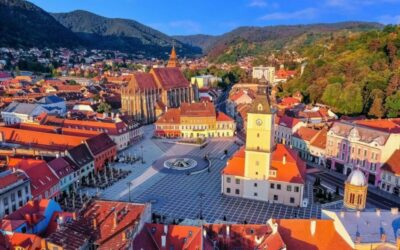
Bucharest: Dracula’s Castle, Peleș Castle & Brașov Day Trip
Read our review →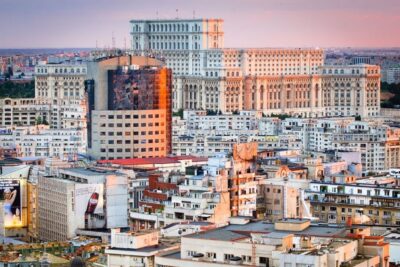
Bucharest: Palace of Parliament Tickets and Guide
Read our review →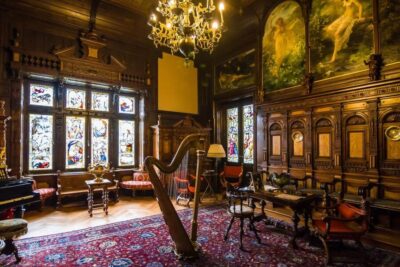
Bucharest: Day Trip to Dracula Castle, Peles Castle & Brașov
Read our review →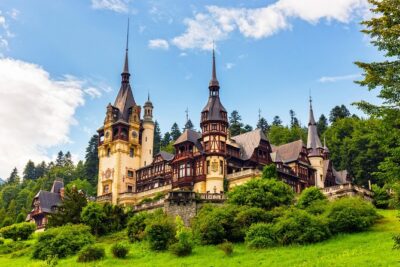
Bucharest to Dracula Castle, Peles Castle and Brasov Guided Tour
Read our review →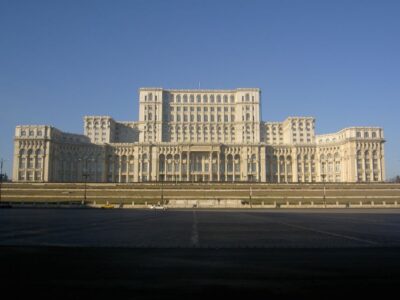
Bucharest: Palace of Parliament Tickets and Guided Tour
Read our review →