
Reviewed · 3-DAY EXPERIENCES
3-Day Medieval Transylvania Package Tour
Transylvania in 3 days is a lot of medieval hits, and the best part is how close everything feels once you are on the road. You start with the Moorish Monastery of Curtea de Argeș and Cozia Monastery, then you shift to Sibiu and Sighișoara, and you end with Bran Castle and Sinaia’s palaces.
I like that this tour is built around walkable old towns and standout “wow” monuments, not just quick stops. I also like the small-group feel, capped at 16, which keeps the day from turning into cattle-car tourism.
One consideration: it is a tight schedule with long stretches in the car, plus queues for major castles. If you want lots of stop-and-explain time at every roadside view, you may feel the pace more than others.
Key things that make this Transylvania tour work
- Small group of up to 16 keeps the vibe calm, even on long driving days
- Sibiu walking tour in the Old Town gives you a real sense of the former Transylvanian capital
- Biertan fortified church is the fortified-church experience in full scale, and it is a standout stop
- Sighișoara medieval citadel includes the Clock Tower for panoramic views (when open)
- Bran and Sinaia in one run means you get Dracula legend plus Romania’s royal-era architecture
- 3-star hotels with breakfast make the overnight part simple and comfortable
Why medieval Transylvania is a special kind of road trip
This is the kind of trip where you feel the region changing as you drive. In one day you can go from church stonework and monastery courtyards to Saxon fortifications, then to the dramatic mood of castle walls and mountain resorts. Even if Dracula is the headline, the real payoff is how many different medieval layers you can see in a short time.
I also like the “range” of the stops. You get Ottoman-era influence at Curtea de Argeș, Romanian medieval art at Cozia, Saxon defense architecture at Biertan, and the preserved street life of Sighișoara. Then you switch to Bran’s castle setting and Sinaia’s royal buildings. It is a smart mix, because Transylvania is not one style. It is a stack of stories.
The other big advantage is logistics done for you. You are picked up in Bucharest, transported by car or minibus with parking and fuel covered, and you get an English-speaking driver-guide. That is what turns a complicated route into a doable 3-day plan.
More Bucharest options to weigh up
- Bucharest: Dracula’s Castle, Peles Castle, & Brasov Old Town
★ 4.5 · 17,858 reviews - Bucharest: Dracula Castle, Peles Castle & Brasov Old Town
★ 4.6 · 10,891 reviews - Bucharest: Dracula’s Castle, Peleș Castle & Brașov Day Trip
★ 4.4 · 6,100 reviews
Day 1: Curtea de Argeș, Cozia, then Sibiu’s medieval heart
You start by leaving Bucharest and heading first to Curtea de Argeș. The Moorish Monastery there was built by Wallachian ruler Prince Neagoe Basarab in 1514. The name alone grabs your attention, but the details are what stay with you: it is a reminder that Romania’s medieval world was influenced by more than one direction.
Next comes Cozia Monastery, a smaller stop that matters because of what it represents. You come specifically to discover it as one of the most important monuments of national medieval art in Romania. If you like churches as cultural documents, this is a strong early anchor for the whole trip.
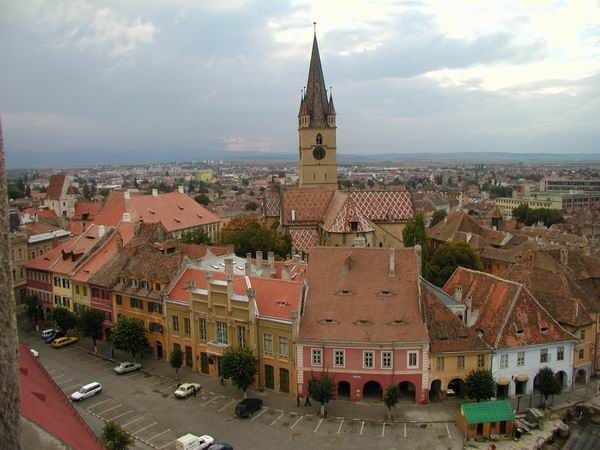
Then you drive toward Sibiu, the historic capital of the Principality of Transylvania. It is also the town that Forbes once ranked as Europe’s 8th most idyllic place to live, and yes, you can see why. The Old Town is built for walking, and the documentation going back to 1191 shows up in the street plan and the density of historic buildings.
On arrival you do a guided walking tour of the medieval citadel. This is the part where your day shifts from “driving to sights” to “actually reading the town.” You are not just looking at facades. You get to connect the dots between layout, defense-era street structure, and the calmer pace of a well-kept old center.
Dinner is traditional Romanian style, and you overnight in Sibiu town center. That location matters. You do not have to “earn” your evening walk. You are already where you want to be.
Practical note for pacing: after two monastery stops plus driving, the walking tour can feel like a lot if you start the day late or ignore restroom breaks. Comfortable shoes are key, and so is accepting that day 1 moves.
Day 2: Biertan fortified church, Sighișoara citadel, then Brasov
Day 2 begins with Biertan, in the Biertan commune, and you tour one of Transylvania’s major Saxon fortified-church villages. The main attraction is the largest fortified church in Transylvania, built between 1490 and 1524. This is not just a church you can photograph quickly. The scale of the fortifications changes the whole way you experience the building.
The value here is perspective. Fortified churches are a specific response to specific dangers. When you see the defensive structure and the way the village is organized around it, medieval life makes more sense. This is also the kind of place where the guide’s explanations can really matter, especially if you like understanding why something was built the way it was.
Then you head to Sighișoara, a medieval citadel dating back to 1280, and it is often described as the only medieval citadel in Europe still populated. That single fact changes the vibe. You are walking streets that still have life in them, not just a museum set.
During your walking tour you visit the Clock Tower for panoramic views across the ancient houses. One caution: the Clock Tower is closed on Mondays. If your departure happens to place Sighișoara on a Monday, you will need to be flexible about the viewpoint piece.
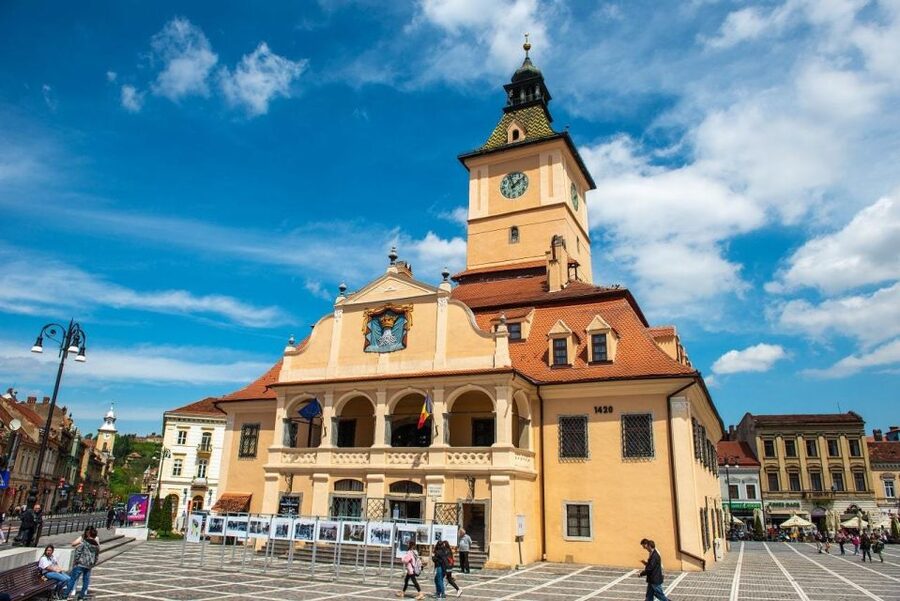
After lunch you continue to Brasov, set against the Southern Carpathians. Brasov’s medieval citadel is first documented in 1235, and the city still shows off a Gothic feel through churches and architecture. You also see the birthplace of the Romanian national anthem and the curious Communist-era nickname, Stalin City, which adds a layer most people do not expect to find.
On your guided walk, you also get to check out one of the famous urban oddities, the narrowest street in Romania. Tiny street, big effect. It is one of those “only in this city” moments that helps your brain remember the place.
You overnight in Brasov, which sets you up well for the next day’s big castle day.
Day 3: Black Church, Bran Castle, Sinaia’s royal buildings, and the road back to Bucharest
Day 3 is the “legend and palaces” day. You start in Brasov at the Black Church, built in 1383 and the city’s most important tourist site. The name is famous, but the real reason to start here is timing. You get your big historical anchor early before the day crowds in.
Then you drive to Bran Castle, often called Dracula’s Castle because it is marked as the home of Bram Stoker’s Count Dracula. Even if you treat the story as a blend of fiction and folklore, the castle position is dramatic. It sits on the border between Transylvania and Wallachia, and you feel the “border vibe” when you walk the grounds and see how the site works from different angles.
You also have museum time on-site. After Bran, you stop for traditional lunch. Lunch is not included in the package, so plan to budget for it, but the timing usually keeps the day from running purely on snacks.
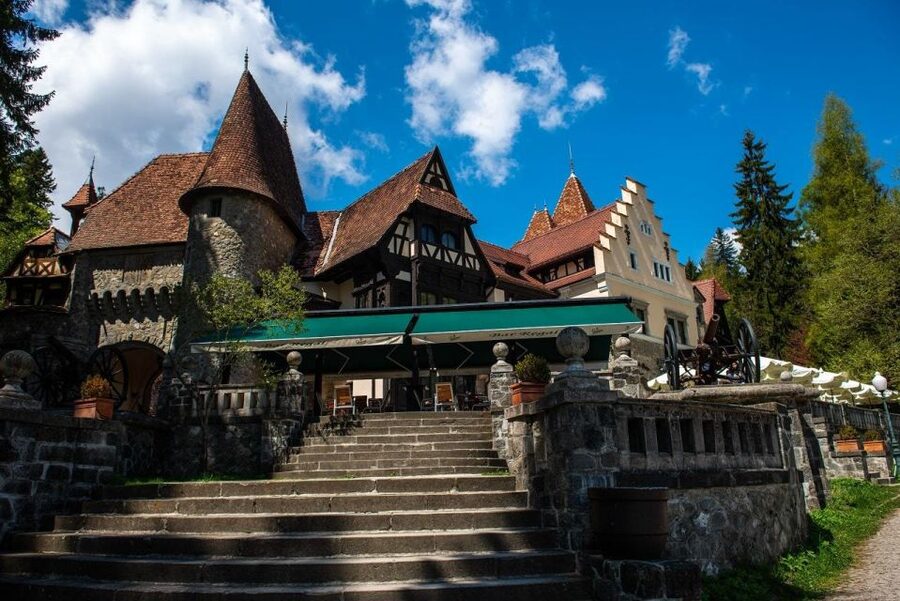
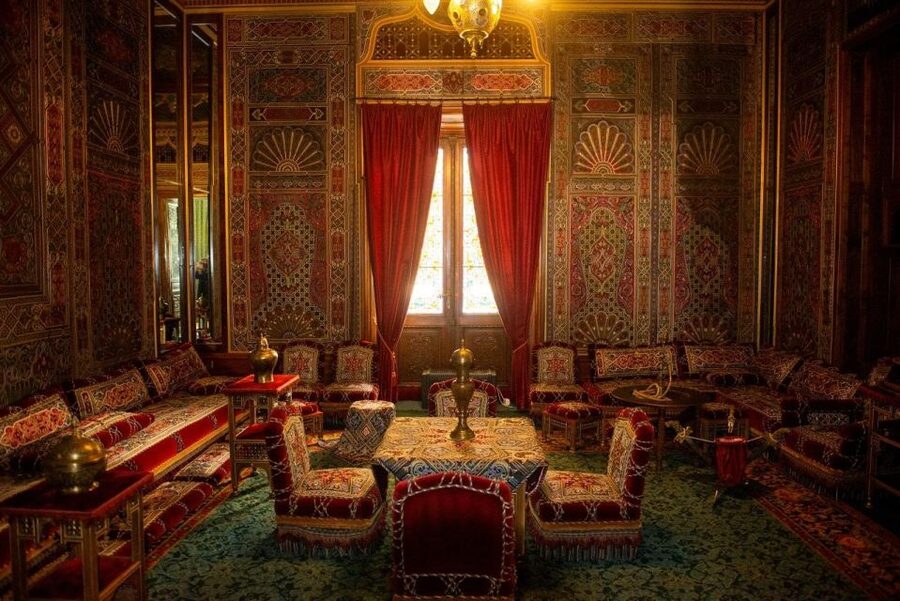
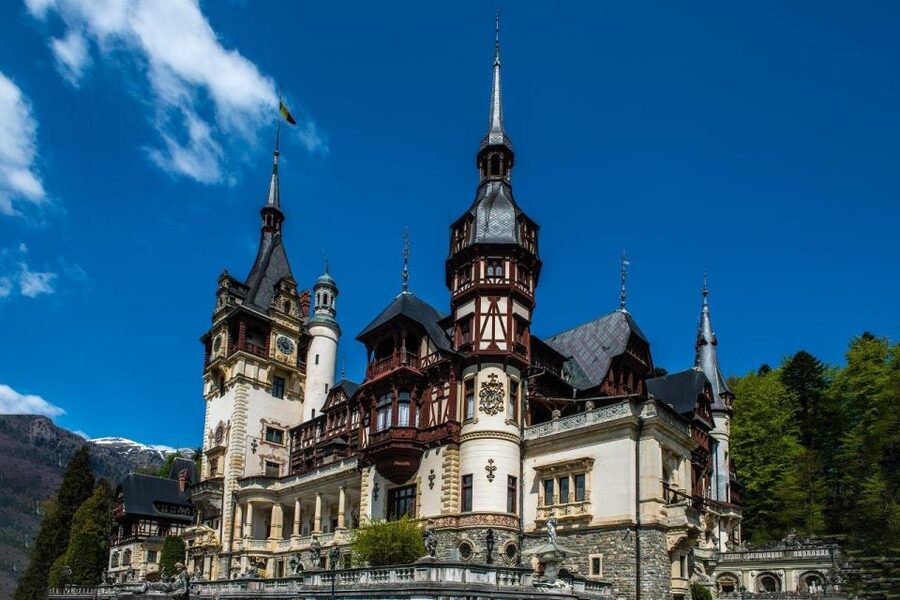
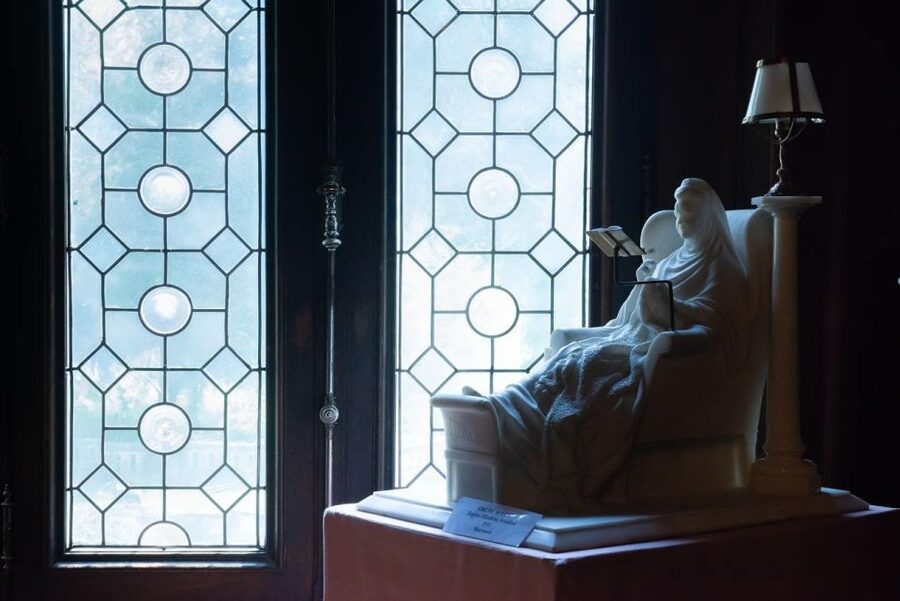
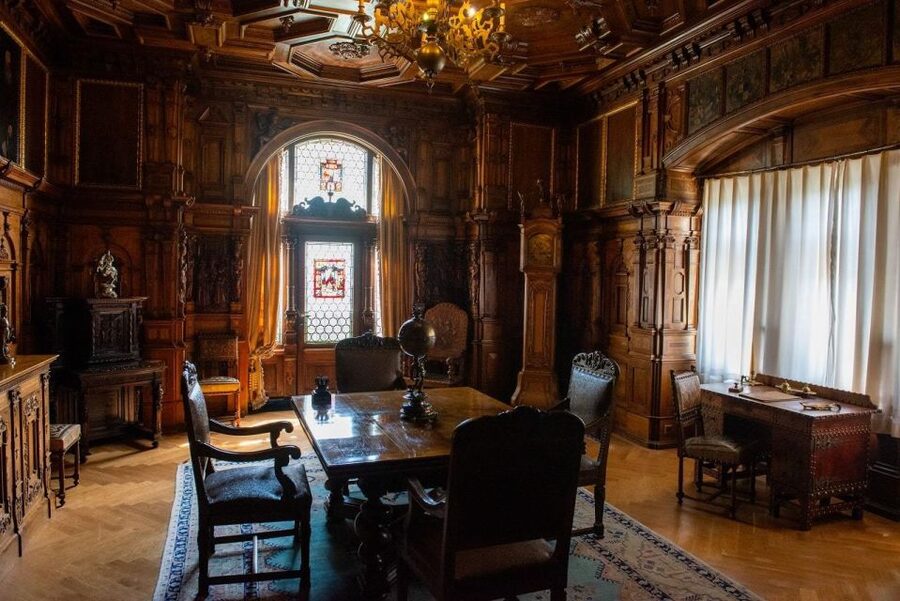
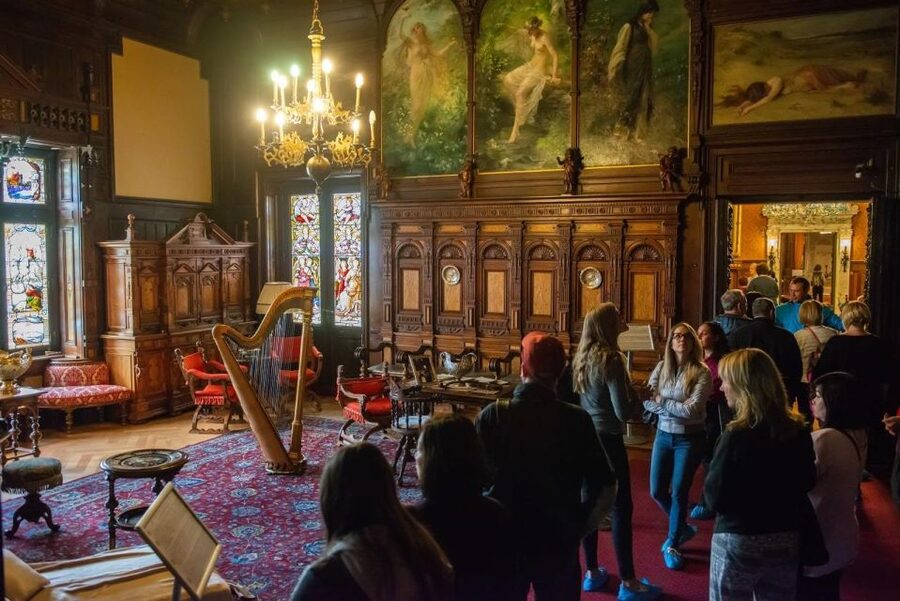
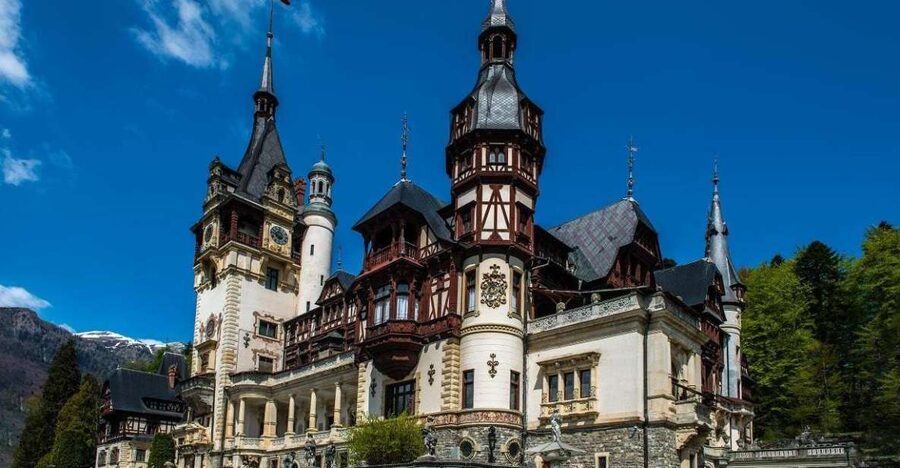
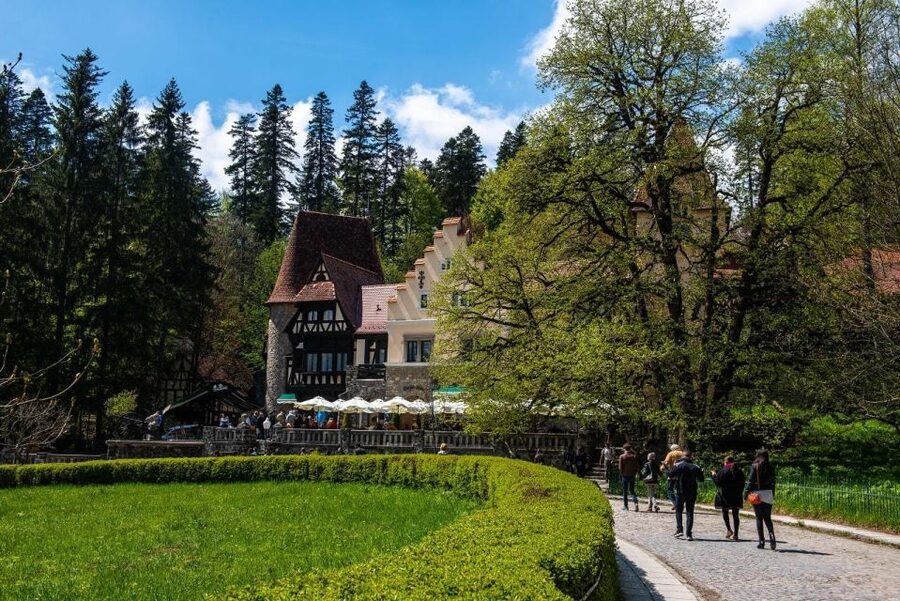
From Bran you continue to Sinaia, a mountain resort in the Prahova River valley. This is where the tour turns from medieval defense to royal-era architecture. You visit Peleș Castle, built by Romania’s first king, Carol I. It is a Neo-Renaissance building constructed between 1875 and 1914, and it is known for its refined look compared with the castle theatrics of Bran.
Important operational note: Peleș Castle is closed on Mondays and Tuesdays. If your departure puts Peleș on one of those days, the tour will adapt. Still, it is worth checking your day-of-week so you do not build your mental itinerary around those specific doors opening.
Finally, you end with Sinaia Monastery, founded in the 17th century by Prince Mihail Cantacuzino after a pilgrimage to Mount Sinai. Before you leave the area, you explore the Old Church and the 19th-century Great Church. Then you drive back to Bucharest.
The “real talk” here: day 3 can be long. You are stacking Black Church, Bran, lunch, Sinaia, Peleș, and the monastery churches all in one run. You get a lot for your ticket, but you also trade some downtime. If you dislike being on the go, consider whether you want a slower travel style.
Same base, a completely different day:
- Bucharest: Palace of Parliament Tickets and Guide
★ 4.3 · 3,182 reviews - Bucharest: Day Trip to Dracula Castle, Peles Castle & Brașov
★ 4.4 · 3,049 reviews - Bucharest to Dracula Castle, Peles Castle and Brasov Guided Tour
★ 4.5 · 2,933 reviews - Bucharest: Palace of Parliament Tickets and Guided Tour
★ 4.4 · 1,877 reviews
Guide, driving, and how the small group shapes your experience
One thing that shows up again and again is the effect of having a small group and a driver-guide who sets the tone. In the best cases, you get a driver who keeps things smooth and safe and a guide who is willing to talk history, not just point out buildings.
In particular, the name Mathew shows up in positive feedback. People liked the combination of strong driving and lively explanations, and they valued that he seemed to know where to point your attention when something is worth stopping for. You also hear praise for the feeling of being well cared for, especially with a vehicle that gets you safely across long stretches.
There is also a downside to note. Some people felt the guide spent more time driving than explaining, with commentary arriving mostly after you got to each stop. Others felt the driving could be too brisk, like the day was always in a hurry. And at popular attractions, you should expect queues for entry and even restroom lines, which can chop into your “how fast can we see everything” feeling.
My practical advice: if you care about extra context, ask questions at the right moments, not only at stops. A quick question in the car can unlock better explanations once you arrive. Also, bring patience for lines at Bran and Peleș. Those places have a lot of demand.
Hotels and meals: what is included, what to budget, and how it affects the day
The package includes 2 nights in a 3-star hotel with breakfast. The hotels are described as comfortable and not too big, and the breakfasts get solid marks. That matters more than it sounds. When you are moving daily, a reliable morning meal helps you keep your energy up, especially if lunch runs to whatever you can fit between stops.
Dinner is included in Sibiu only. Lunch and dinner elsewhere are not included, so you should plan for extra spending beyond the tour price. Also note entrance fees are not included, so you will likely pay for tickets at castle or monument sites.
Let’s talk value, because $588 per person is not a random number. You are paying for transport, parking, fuel, an English-speaking driver-guide, and two hotel nights plus breakfast. You are also covering a route that links several major attractions that are not all close to each other. If you were trying to piece this together yourself with independent transport, you would spend plenty on transit and time.
Where value can wobble is if you end up adding lots of paid entrances, plus lunch and dinner every day, and if you do not enjoy fast pacing. On the other hand, if you want a structured medieval route with a small group, this price can make sense.
Who this tour fits best, and who should think twice
This tour fits best if you want a guided “greatest hits” path through Transylvania and you enjoy walking old towns. You will also like it if you like monasteries, fortified architecture, and the Dracula connection as part of the broader cultural landscape, not just as a theme park.
It suits people who enjoy efficiency. You are seeing Sibiu, Biertan, Sighișoara, Brasov, Bran, and Sinaia within 3 days. That is a fast tour style, and the payback is how much you learn and compare between regions.
It is not suitable for children under 7, and it is not suitable for people with mobility impairments. If you have limited stamina, the long vehicle days and walking portions might feel heavy. Comfortable shoes help, but they do not erase the schedule.
Booking check: the 5 things to confirm before you go
Before you lock in dates, I’d check these items so there are no surprises:
- Peleș Castle closure on Mondays and Tuesdays
- Sighișoara Clock Tower closure on Mondays
- Weekend departure reverse order which can shift what you see first and how timing feels
- Single traveler fee of €60 paid in cash at the beginning of the tour
- Your expectations about explanations: some people want more talking during driving time, and others are fine with commentary arriving at arrival
Should you book this 3-day Transylvania package?
If your goal is a well-paced, small-group introduction to medieval Transylvania, I think this is a strong choice. You get serious monuments across Wallachia and Transylvania, a real old-town walk in Sibiu and Sighișoara, and a “legend plus royal architecture” combo with Bran and Sinaia. The hotel setup is simple and comfortable, and the small group helps the experience feel human.
I would hesitate only if you know you dislike long days in a vehicle, dislike queues, or you need frequent deep commentary while traveling between stops. If that is you, you might want a slower route or a different format.
If you tell me your travel month and your day-of-week preference, I can also help you sanity-check the Monday closures and pick dates that keep the big viewpoints open.
FAQ
What is the duration and starting point of the tour?
It runs for 3 days and includes pickup from hotels in Bucharest.
What is included in the price?
Transportation by car or minibus, parking and fuel costs, an English-speaking driver-guide, and 2 nights in a 3-star hotel with breakfast are included.
Are entrance fees and meals included?
Entrance fees are not included. Lunch and dinner are also not included, though the schedule includes time for them.
How big is the group?
The tour is limited to a small group, with a maximum of 16 participants.
Is there an extra charge for single travelers?
Yes. Single travelers pay an additional €60 fee in cash to the guide at the beginning of the tour.
Which sites can be closed on certain days?
Peleș Castle is closed on Mondays and Tuesdays. The Clock Tower in Sighișoara is closed on Mondays.
Is the tour suitable for kids or for mobility limitations?
It is not suitable for children under 7 and it is not suitable for people with mobility impairments. Pets are not allowed.
Latest reviews from around Bucharest
- Discover Medieval Transylvania Small Group Tour – 7 days★ 5.0 · 4 reviews
- Bulgaria One Day Private Tour from Bucharest★ 5.0 · 4 reviews
- In Search of Dracula and the Teutons in Transylvania Full-Day Private Tour★ 5.0 · 4 reviews
- Bulgaria Day Trip – Private Tour from Bucharest – Veliko Tarnavo & Arbanasi★ 5.0 · 4 reviews
- Private tour: Medieval cities of Transylvania, 2 Days from Bucharest★ 5.0 · 4 reviews
- Black See, Constanta and Mamaia Beach – Day Trip from Bucharest★ 5.0 · 4 reviews
- LiBEARty Brown Bear Sanctuary and the most important castles from Romania★ 5.0 · 4 reviews
- Hike Bulgaria Love Swing, Veliko Tarnovo and Tarevet Fortress★ 5.0 · 4 reviews
3-Day Experiences, compared.
3-Day Tour of Transylvania’s Landmarks from Bucharest
Read our review →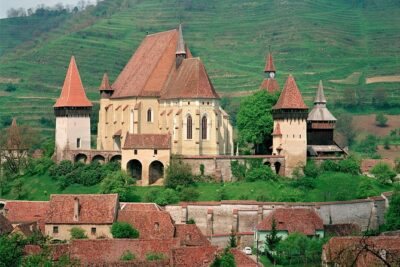
3-Day Private Tour of Medieval Transylvania from Bucharest
Read our review →
3 Days Private Tour in Romania from Bucharest with Tour Guide
Read our review →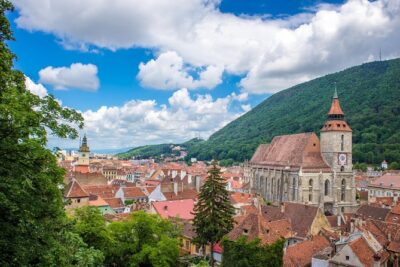
Medieval Transylvania: Shared 3-Day Tour from Bucharest
Read our review →
3-Day Tour from Bucharest: Transylvania Villages and Medieval Towns
Read our review →
3 Days UNESCO Tour of Transylvania. Private tour from Bucharest
Read our review →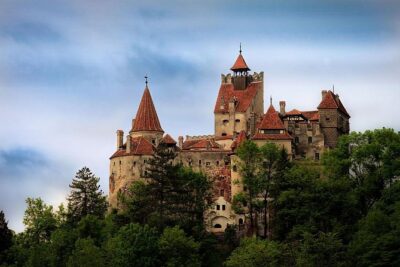
Browse the lists this tour appears in