Reviewed · PRIVATE
10 Days Private Tour in Romania from Bucharest
This 10-day private Romania itinerary is interesting because it moves fast in the best way. You start with heavy modern history in Bucharest, then trade city streets for castles, salt mines, and dramatic mountain roads, and you finish with medieval towns and royal-castle glamour.
I especially like how much you get with a private car and a local English speaking guide. I also like that the route includes both famous highlights and quieter stops, like the National Village Museum in Bucharest and Surdesti Wooden Church in Transylvania. One thing to consider: the days are packed, and you will spend a lot of time in transit between regions.
Key highlights before you go
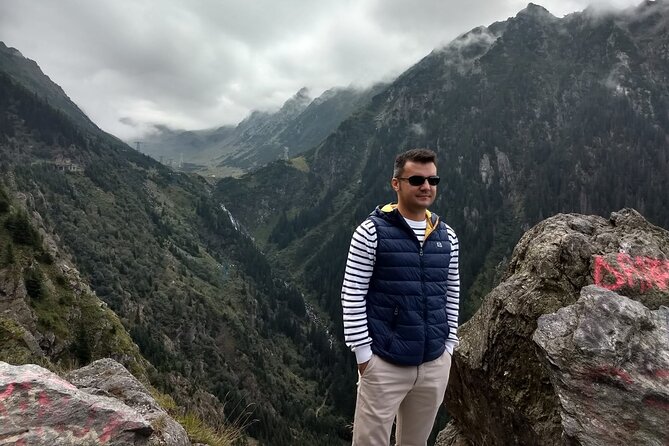
- A private car just for your group, plus a licensed English speaking guide/driver (Nicolas Experience Tours)
- Real flexibility, including changes to the daily itinerary after the start of the tour
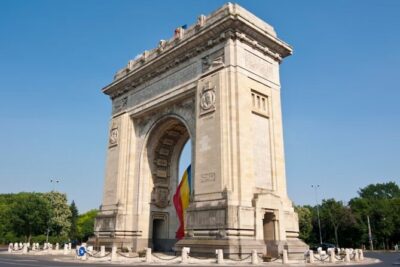
- Bucharest built into the story, from the Palace of Parliament to Revolution Square and Old Town
- Transfagarasan only in season, because the highway is fully open from June to October
- Bukovina painted monasteries on consecutive days, with Voronet, Humor, Sucevita, and Moldovita
- A Dracula style finish, with Bran Castle and Bran-area food stops, plus Peles Castle in the same day
How this private 10-day Romania route actually feels
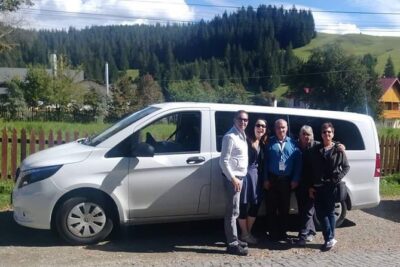
The big advantage here is simple: you are not sharing a bus with strangers. You travel by private car (tourism or minibus) with pickup offered, and you get complimentary wireless internet access in the vehicle. That matters in Romania, because distances are real, and it is easier to stay relaxed when your ride is tailored to your day.
The second advantage is human. You travel with a private, licensed English speaking guide/driver available throughout the tour. In the feedback I read, people repeatedly thank Nicolas directly for taking good care of them and for making the trip feel smooth. One couple also mentioned the hotel was chosen with attention to location, specifically being in the city center, which is a small detail that can save you time and stress.
Finally, manage your expectations on time. You are visiting a lot of major sites, and some stops are about 45 minutes to two hours. That is not automatically bad, but it does mean you should come ready to switch gears quickly. If you want slow museum time or long café sits at every location, you will likely feel rushed unless you use your private flexibility to slow one or two days down.
More Bucharest options to weigh up
- Bucharest: Dracula’s Castle, Peles Castle, & Brasov Old Town
★ 4.5 · 17,858 reviews - Bucharest: Dracula Castle, Peles Castle & Brasov Old Town
★ 4.6 · 10,891 reviews - Bucharest: Dracula’s Castle, Peleș Castle & Brașov Day Trip
★ 4.4 · 6,100 reviews
Bucharest in one day: Palace of Parliament, Athenaeum, Revolution Square, Old Town
Day 1 is a strong starter, because it gives you the contrast Bucharest is known for: monumental buildings, then traditional streets, then a clear line to the events that shaped Romania’s modern identity.
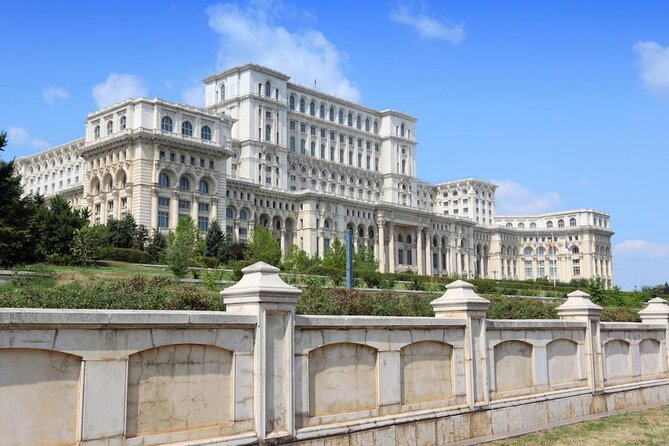
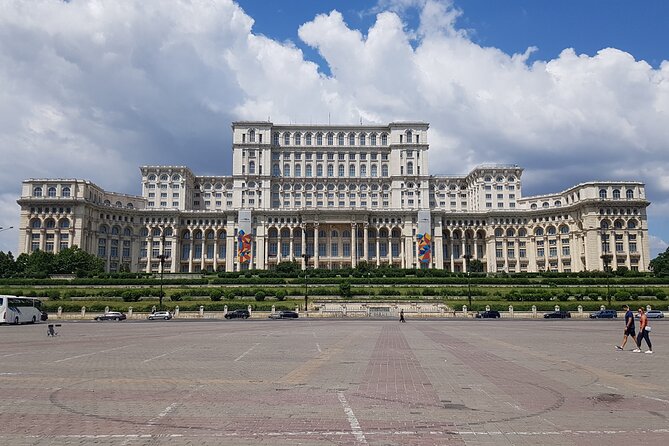
Palace of Parliament (People’s House) is first, and it is a do-not-skip if you care about how power shows itself in stone. The tour includes admission, and you spend about two hours. The building is described as the second-largest administrative structure in the world after the Pentagon, and that scale changes how you experience the place. Even getting a close selfie can be tricky, because you are fighting perspective. I like tours that let you feel small inside a giant project like this, because it turns history into something physical.
Next is the National Village Museum Dimitrie Gusti, with admission included. This is one hour, and it helps you understand Romanian rural life as more than a postcard. You see how villagers built an ecological and sustainable environment around them, and the museum is designed to feel like traditions made practical.
After that comes the Romanian Athenaeum, one of Bucharest’s culture symbols. Admission is included, and your time here is about 45 minutes. You are not just walking past a pretty building. You are looking at a national landmark tied to Romania’s cultural identity and the city’s pride.
Then you hit Revolution Square (Piata Revolukiei), about 45 minutes with admission free. This area is linked to the 1989 Revolution, including the ousting of Nicolae Ceausescu and the role of the Central Committee buildings nearby. The emotional weight here comes from context: you see the power system, then you see the moment it collapses.
You finish the day in Old Town, about two hours and mostly free to enter. The tour points you toward Hanul lui Manuc, the fortified inn built around 1806, a former gathering point for merchants. I like ending Bucharest like this, because the city’s old layers feel human again, especially when you weave in small street scenes and food stops rather than only large monuments.
Curtea de Arges to Transfagarasan: monasteries, Poienari, and Sibiu’s Piata Mare
Day 2 is where you start trading city energy for Wallachia and the Carpathian drama.
First is Curtea de Arges Monastery, with admission included for about 45 minutes. The stop highlights royal tombs and the story of a royal church with ruins of the old princely court nearby. If you like places where grief and endurance show up in the architecture, this one fits.
Then you move to Poienari Castle, the cliffside ruins associated with Vlad stories. You spend up to two hours with admission included. The view over the Arges River is part of the payoff, because the location is half the story. This is the kind of stop where you might take your time on photos, but you still want to keep moving so the day stays on track.
After that, you drive one of Romania’s star attractions: Transfagarasan Highway. Your time is about two hours, and admission is free. The key practical note is seasonal access: it is fully open from June to October. The route peaks at around 2042 meters and connects near Lake Balea. This is a big reason many people plan Romania around the warmer months, because the scenery changes when the road is actually usable end-to-end.
You end the day with Piata Mare (Big Square), about one hour, admission free, in Sibiu. The stop description also points toward Sibiu’s Old City Center and highlights the Evangelical Cathedral. Even if you only have a short window, the square is the kind of place where you can quickly get the feel of Sibiu’s Old Town.
Hunedoara to Orastie Mountains: Corvin Castle, Densus, and Sarmizegetusa Regia
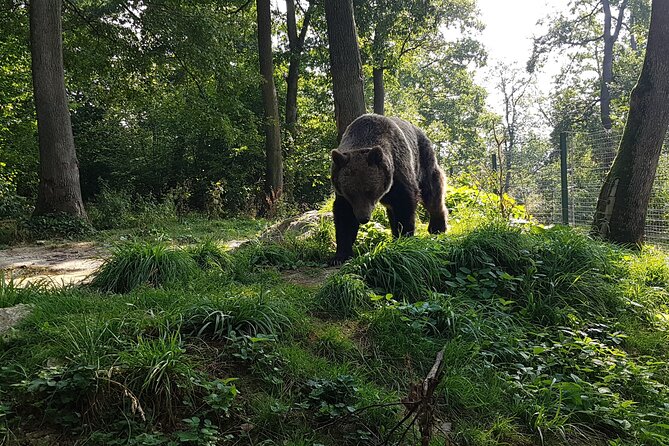
Day 3 leans into medieval castles and ancient Dacian power.
Corvin Castle (Castelul Corvinilor, Hunyadi Castle) is first, about two hours with admission included. It is described as Gothic-Renaissance and one of the largest castles in Europe, also linked to the Seven Wonders of Romania. I like this stop because it is dramatic even without deep background knowledge. If you just like big architecture and strong photo angles, this will deliver.
Then comes Densus Church, about one hour, admission included. The tour highlights a 13th-century stone church built on an older Roman temple site, with material connections even to Dacian fortress elements. Inside, you see 15th-century mural paintings featuring Jesus in Romanian traditional clothing, plus later additions in the 18th century. That combination of layers makes the church feel alive, not frozen.
Finally, you reach Sarmizegetusa Regia, about three hours with admission included. This is the Dacian capital and key military and religious center, located on a mountain around 1200 meters high. It is not a quick stop. Expect walking on uneven terrain and taking in the scope of the defensive system across citadels. This is where your Romania trip becomes more than castles and monasteries, because you start seeing how the land itself was used for control.
Same base, a completely different day:
- Bucharest: Palace of Parliament Tickets and Guide
★ 4.3 · 3,182 reviews - Bucharest: Day Trip to Dracula Castle, Peles Castle & Brașov
★ 4.4 · 3,049 reviews - Bucharest to Dracula Castle, Peles Castle and Brasov Guided Tour
★ 4.5 · 2,933 reviews - Bucharest: Palace of Parliament Tickets and Guided Tour
★ 4.4 · 1,877 reviews
Transylvania without the crowds: Salt Mine air, Cluj nature time, and Surdesti Wooden Church
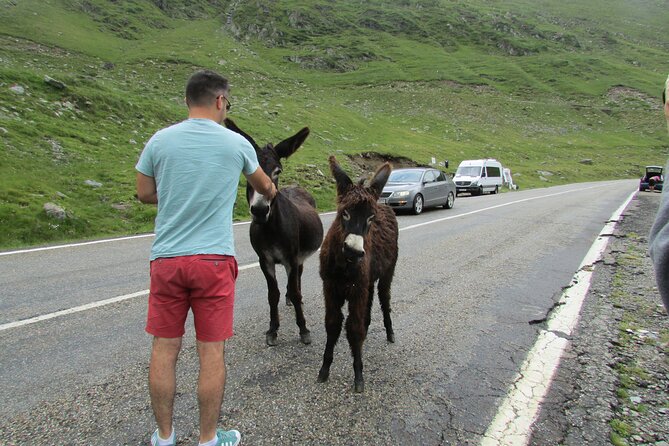
Day 4 is a fun shift because it mixes wellness-style atmosphere, city culture, and traditional craftsmanship.
First is Salina Turda (Turda Salt Mine), about two hours with admission included. The pitch here is that you get purifying saline air that many visitors find helpful for respiratory problems like allergies or asthma. Even if you do not have those issues, it is still a unique atmosphere: underground, cool, and strangely calming.
Next is Gradina Botanica Alexandru Borza, about one hour with admission included. The description also connects to Cluj Napoca Old City styles, mentioning Baroque, Renaissance, and Gothic architecture, and that some buildings date back to the 17th century. If you like architecture as a background detail rather than as the entire trip, this stop can work well.
Then you finish with Surdesti Wooden Church, about 45 minutes with admission included. This is the type of place you remember long after the trip, because wood architecture feels warm and personal. The church’s height is emphasized, and the tour notes it was built in 1721. I would treat this as a short, focused stop, so you can look at details without rushing.
Maramures humor and communist memory, then into wooden church country
Day 5 starts with a different emotional tone.
Merry Cemetery (Sapanta) is your first stop, about one hour with admission included. The whole concept is unusual: Dacians had myths tied to Zalmoxis, and the cemetery turns funerals into something almost theatrical, with colorful crosses and humorous poems about the deceased. It can feel strange at first, then surprisingly human. If you like places where people use creativity to handle grief, you will get it quickly.
Then you go to the Memorial of the Victims of Communism and of the Resistance, about two hours with admission included. This is heavier and more direct, focused on the pain and suffering under totalitarian oppression. I like pairing it with a lighter start, because the contrast gives you a fuller picture of why Romania is so emotionally layered.
Day 6 continues in Maramures with the wooden church world.
Barsana Monastery is first, about 45 minutes with admission included. The tour describes it as one of Romania’s tallest wooden churches, and it sits in a fairytale-like setting. If you enjoy slow attention to timber details and how churches fit the landscape, this one is worth treating as more than a photo stop.
Then there is Tihuța Pass, about two hours, admission free. The description connects it to Dracula as written by Bram Stoker, noting the name as Borgo Pass, and also pointing out that the author likely got the name from a map and never visited. Today, the pass has Hotel Castel Dracula at around 1116 meters elevation. This is one of those stops where you get scenery plus a pop-culture layer.
Finally, you visit Ciocănești, about one hour, admission free. The focus is the village’s painted houses and traditional motifs, set along the Golden Bistrița River with forests and meadows nearby. The practical upside is that this stop can be easy to enjoy even when you are tired, because the setting is visual and you are not cramming into a long museum.
Bukovina painted monasteries: Voronet, Humor, Sucevita, Moldovita
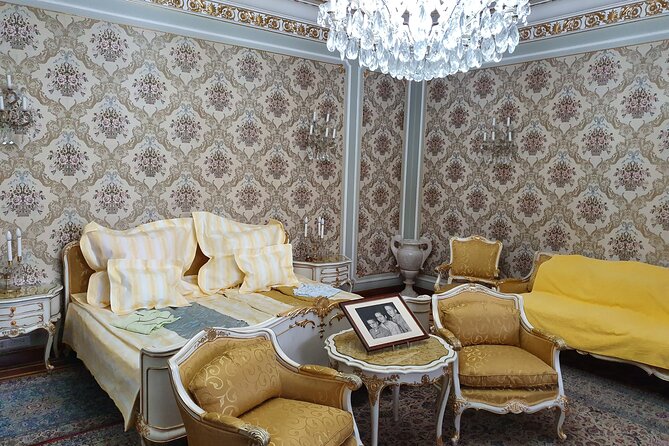
Day 7 is built around painted monasteries, and it makes sense as a dedicated block. They are close enough that you can do them without losing the thread, and each one has a slightly different feel.
Voroneț Monastery starts the day, about 45 minutes with admission included. The tour emphasizes it was built by Stephen the Great in 1488, in a period of roughly three months and three weeks, and that it commemorated the victory at the Battle of Vaslui. The key visual hook is the intense blue known in Romania as Voroneț blue, and the nickname comparing it to the Sistine Chapel of the East is used often for good reason.
Next is Humor Monastery, about 45 minutes with admission included. It is described as a fortified monastery, and the tour notes it endured through centuries after an earlier church was destroyed. The fortified element matters because it changes how you view the building. It is not only spiritual. It is also practical survival architecture.
Then you go to Sucevita Monastery, about 45 minutes with admission included. The description frames it as one of the most beautiful Romanian monasteries and highlights biblical scenes and icons. It also notes it is connected to UNESCO as part of cultural patrimony. This is a place where the walls feel like a book you can read with your eyes.
Finally, Moldovița Monastery completes the set, about 45 minutes with admission included. Built in 1532, it combines Byzantine, Gothic, and Moldavian style elements. The standout here is the mural artwork on both inside and outside surfaces, which gives you a different angle compared with places where paintings are only protected within.
If you do anything on this day, do it slowly at each monastery. Even with only 45 minutes, you will remember your favorite colors and details, not just the names.
Egg museum oddity, Popa naive sculpture, and Bicaz Gorges walking time
Day 8 is where the trip gets playful and then turns natural again.
First is the Muzeul International al Oualor Lucia Condrea, about one hour with admission included. This museum is focused on Lucia Condrea and described as unique in Romania and maybe in the world, with over 5500 exhibits in display cases. It is a niche stop, and I like niche stops because they make your trip feel like a story, not a checklist.
Then you visit the Popa Museum, about one hour with admission included. This is Nicolae Popa’s house museum, founded in the 1970s. The tour description includes his biography: wounded in World War II, imprisoned by communists, and left with almost nothing but his house, then choosing to create and protect Romanian values through art and folklore as a naive sculptor. This kind of personal origin story is exactly what makes museums matter.
You finish with Bicaz Gorges, about two hours, admission free. The tour frames it as a walk along a river that carved through virgin forests. Even if you only get a portion of the gorge experience, it is a strong reset from walls of paintings and stone. Nature gives your brain a breather before the medieval towns of Day 9.
Medieval Saxon vibe in Sighisoara and Biertan’s defensive church
Day 9 is all about fortified medieval life.
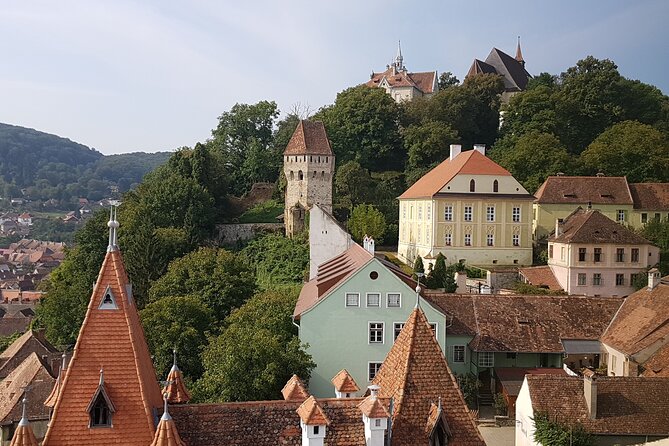
Sighisoara Citadel area, starting at the Clock Tower and Arms museum, takes about two hours with admission included. The tour highlights Sighisoara as a living, inhabited medieval fortress with over 700 years of history, which is rare. It also ties Sighisoara to Vlad the Impaler as the birthplace connection. You get both the medieval setting and the legend layer, without needing to treat it like a theme park.
Next is Biertan Fortified Church, about two hours with admission included. It is UNESCO World Heritage listed, and the description stresses the church’s hillock position, surrounded by three defensive walls and seven bastions. If you care about how communities defended themselves, this stop is more than pretty architecture. It is a defensive plan made of faith and stone.
Brasov grand finale: Black Church, Bran Castle, and Peles Castle
Day 10 ends with three big hitters, and your pacing matters because you will feel a bit “castle tired” if you rush.
Black Church (Biserica Neagra) is first in Brasov, about two hours with admission included. The tour includes a walking tour of the Old Town, with the Black Church, Old Town square, and medieval city walls. You also get free time in cafés. I like this structure because it gives you a chance to slow down and let Brasov’s vibe land.
Then comes Bran Castle, often called Dracula Castle, about two hours with admission included. The tour describes the myth-to-history link, and how Stoker’s fictional home matches Bran closely, leading to the castle belief. There is also a food moment outside the castle: handmade cheeses, pálinka (plum and pear brandy), and traditionally produced ham and sausages. That is a nice touch because it turns the Dracula angle into a real Romanian taste stop.
Finally, you visit Peles Castle, about two hours with admission included. The tour positions it as the Romanian royal family summer residence and says it is one of Europe’s major royal-castle attractions. If you have visited other castles earlier in the trip, Peles is a great capstone because it feels more refined and less purely fortress-focused.
Price and value: is $3,472.81 per person worth it?
At $3,472.81 per person, this is not a cheap trip, but it can be strong value depending on what you compare it to.
Here is what you are buying:
- A private vehicle for your group for the whole time, including fuel, parking, and road tolls
- A private licensed English speaking guide/driver available throughout the tour
- Flexibility to adjust the plan after the start
- Admission tickets are included for many stops as indicated in the itinerary, while other entrances are explicitly noted as not included
What you are still responsible for:
- Your own accommodation, meals, and beverages
- Entrance fees that are not marked as included on the plan you follow
So the value equation comes down to this. If you want a route that hits Bucharest, the Dacian heartland, Transylvania castles, Maramures and Bukovina monasteries, and then closes in Brasov, doing it privately saves you planning pain. It also lets you spend your energy on experiences, not on transit decisions.
Who this tour suits best
This tour fits best if you like:
- A guided, high-structure route where someone else handles the driving and site sequencing
- Mix-and-match interests, from medieval towns to communist history to mountain scenery
- Staying flexible without sacrificing key landmarks
It may feel less ideal if you:
- Want lots of free time daily, because many stops are 45 minutes to two hours
- Dislike long drives between regions
- Are visiting outside June to October, because the Transfagarasan Highway is only fully open then
Should you book this 10-day Romania private tour with Nicolas Experience Tours?
If your dream Romania trip includes Bucharest monuments, Transylvania castles, Bukovina painted monasteries, and a finish that feels like a fairy tale, this one is a strong match. The private car and the Nicolas-led guidance are the real anchors, and the praise you will see in messages directed at Nicolas often comes back to the same theme: he takes good care of the group and keeps things fun, not chaotic. The hotel being chosen with care for city-center convenience is also a practical win.
I would book it if you are comfortable with a packed schedule and you want a clear plan across multiple regions. I would not book it if you want a slow, room-by-room travel style, with long stays in fewer places.
FAQ
Is this tour private?
Yes. It is described as a private tour/activity, meaning only your group participates, with a private car provided for you and your friends or family.
What transportation is included?
The tour includes a private car (tourism or minibus) only for your group. The itinerary also notes complimentary wireless internet access in the comfortable car, and all car expenses like gasoline, parking, and road tolls.
Do I get a guide during the tour?
Yes. You get a private, licensed English speaking guide/driver available throughout the tour, and accommodation, meals, and entrance fee for the guide are included.
Are pickups offered?
Pickup is offered, and the tour also notes it is near public transportation.
Is the tour’s total length about 10 days?
Yes. The duration is listed as 10 days, approximately.
Are entrances and tickets included?
Many stops list admission ticket included in the itinerary, while the trip also states that entrance fees as per the itinerary may not be included for every stop. You will want to check which specific admissions are marked included for the dates you book.
Can I cancel for a refund?
Yes. Free cancellation is offered, with full refund if you cancel up to 24 hours in advance of the experience start time.
Is accommodation and meals included for me?
No. Accommodation, meals, and beverages are listed as not included in the tour price. The guide’s accommodation, meals, and entrance fees are included.
Latest reviews from around Bucharest
- ATV Adrenaline Race in Carpathian – Private Tour★ 5.0 · 4 reviews
- Private Tour of Jewish Bucharest★ 5.0 · 4 reviews
- In Search of Dracula and the Teutons in Transylvania Full-Day Private Tour★ 5.0 · 4 reviews
- Bulgaria One Day Private Tour from Bucharest★ 5.0 · 4 reviews
- Discover Medieval Transylvania Small Group Tour – 7 days★ 5.0 · 4 reviews
- Bulgaria Day Trip – Private Tour from Bucharest – Veliko Tarnavo & Arbanasi★ 5.0 · 4 reviews
- Private tour: Medieval cities of Transylvania, 2 Days from Bucharest★ 5.0 · 4 reviews
- Black See, Constanta and Mamaia Beach – Day Trip from Bucharest★ 5.0 · 4 reviews
Private, compared.
Castles of Transylvania: Private Day Trip from Bucharest
Read our review →
Bucharest: Best of Bucharest Private Tuk-Tuk Tour
Read our review →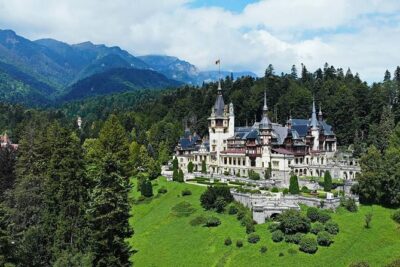
Dracula’s Castle, Peles Castle and Brasov – Private Day Trip from Bucharest
Read our review →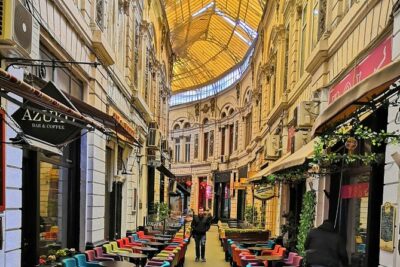
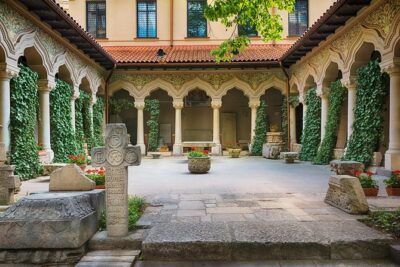
Bucharest Panoramic Sightseeing – Private City Tour
Read our review →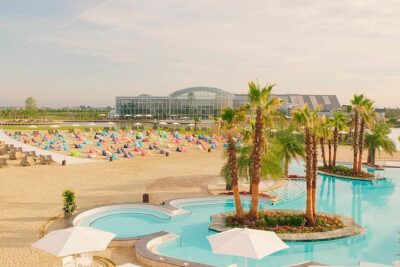
THERME “Take It Easy” Pack: Full Spa Access + Private Transfers
Read our review →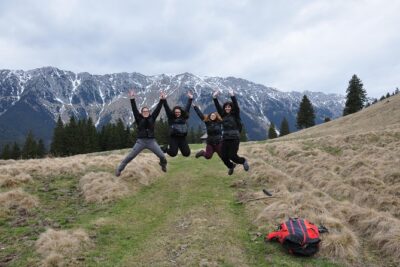
Piatra Craiului National Park Private Hiking Tour from Brasov
Read our review →