Reviewed · PRIVATE
Bucharest: Private Three Neighborhoods Tour by Vintage Car
This Bucharest tour is interesting because you see the city’s social map from inside a restored Dacia 1310. You are not just driving past monuments, you are moving through three very different neighborhoods with real local context.
I also like the three-neighborhood format, especially how Cotroceni sets up the “bourgeois” side, then Drumul Taberei shows everyday life in communist blocks, and Ferentari confronts the city’s poorest corners. And if you get a guide like Mihai, you will likely get a mix of friendliness, solid context, and top-notch driving.
One thing to consider is that this Dacia does not have modern comfort features like AC. If it is hot or you are sensitive to noise and old-car vibes, plan accordingly.
Key points at a glance
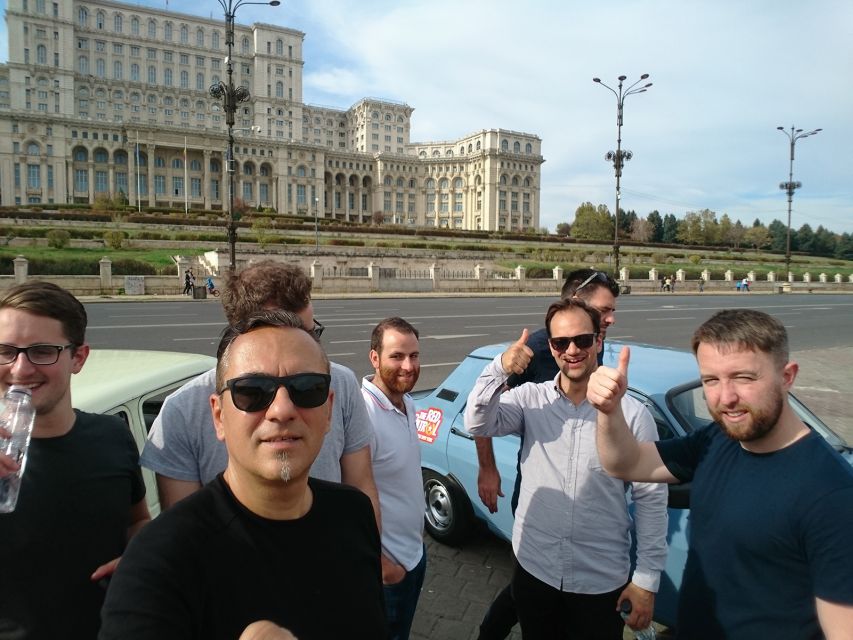
- A Dacia 1310 ride with vintage charm and guaranteed photo opportunities
- Three neighborhoods with social-class contrast, not just sightseeing
- Cotroceni highlights like Cotroceni Palace and villa-quarter streets
- Drumul Taberei walking time to get a feel for everyday life in big communist flats
- Ferentari stops around Rahova and Strada Toporași, focused on hardship and lived reality
- Hotel pickup and drop-off in Bucharest, so you skip the logistics headache
Why a restored Dacia 1310 is the right way to see Bucharest
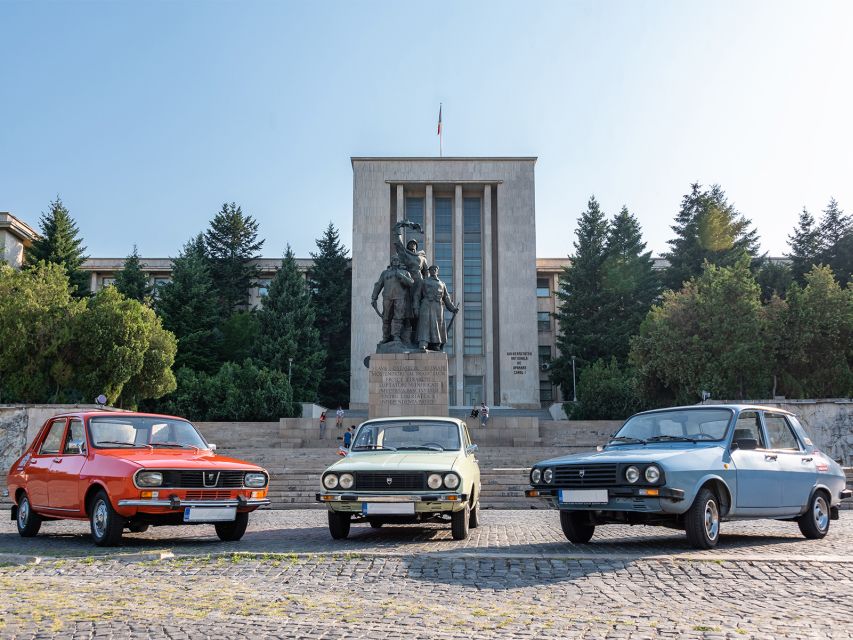
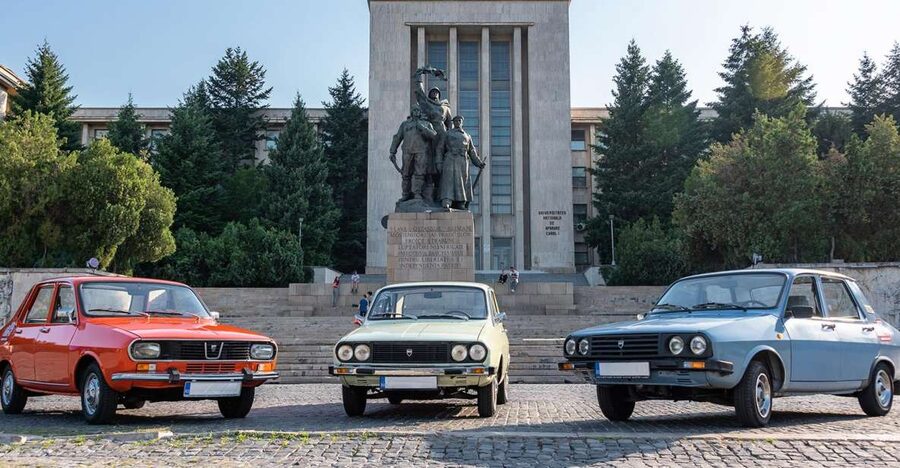
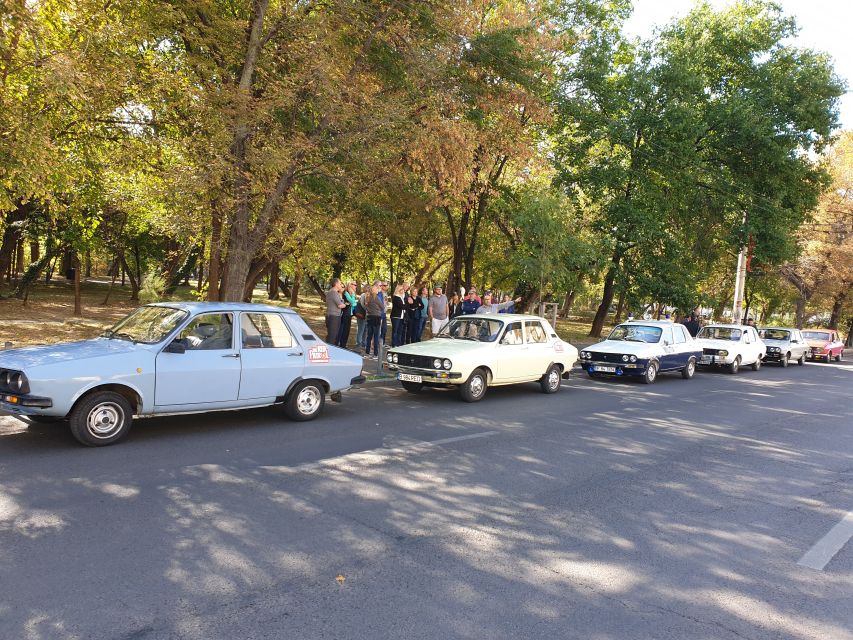
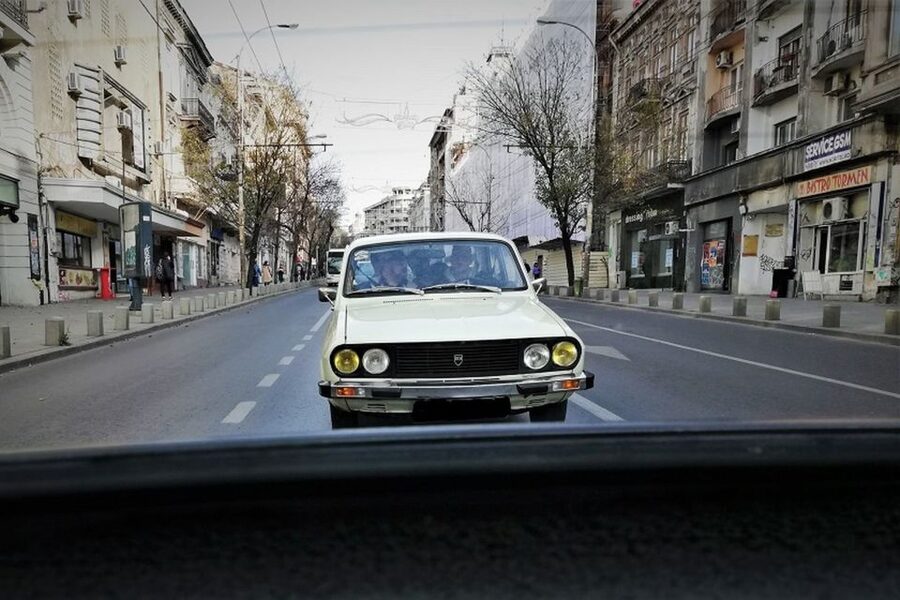
There is something about a restored Dacia 1310 that makes the whole experience feel closer to the street. You get a photo-worthy ride, yes, but more importantly you move at a human pace through central Bucharest. The car is from the 1970s and 1980s, fully restored, and it is designed to meet all necessary safety traffic regulations.
Expect a vintage driving experience. The Dacia does not include AC, ABS, GPS navigation, or an automatic gear drive. In winter, the cars are heated, which matters because you will be sitting for a few hours and you will likely make multiple stops for photos and short guided moments.
Good news: you do not drive. Participants are not allowed to drive the Dacia, so the tour stays focused on your experience instead of turning into a driver training session. And the guide drives you, which makes it easier to keep your attention on what you are seeing out the window.
More Bucharest options to weigh up
- Bucharest: Dracula’s Castle, Peles Castle, & Brasov Old Town
★ 4.5 · 17,858 reviews - Bucharest: Dracula Castle, Peles Castle & Brasov Old Town
★ 4.6 · 10,891 reviews - Bucharest: Dracula’s Castle, Peleș Castle & Brașov Day Trip
★ 4.4 · 6,100 reviews
The three neighborhood concept: from Cotroceni to Ferentari
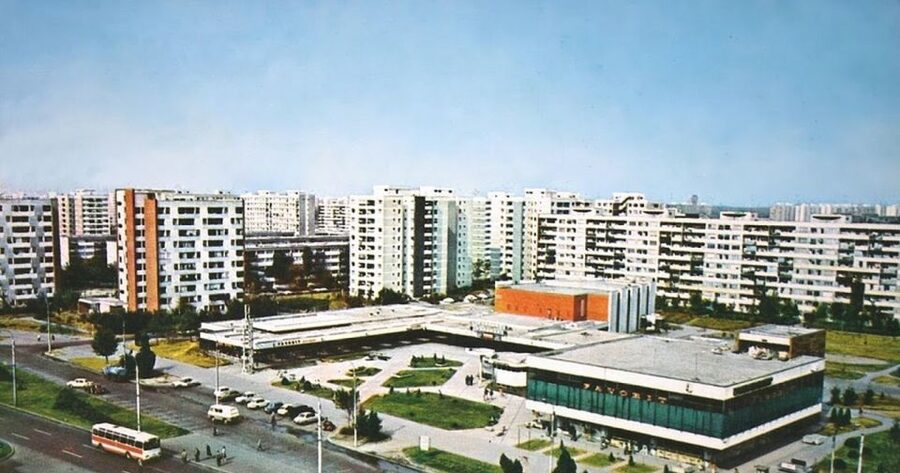
This tour is built around a clear idea: each neighborhood represents a different layer of Romanian life. Cotroceni is presented as the residential villa quarter where the 19th-century and present bourgeoisie live. Drumul Taberei is framed as a place where the average Romanian lives, with huge communist blocks, a peasant market, and Orthodox churches that people actually use.
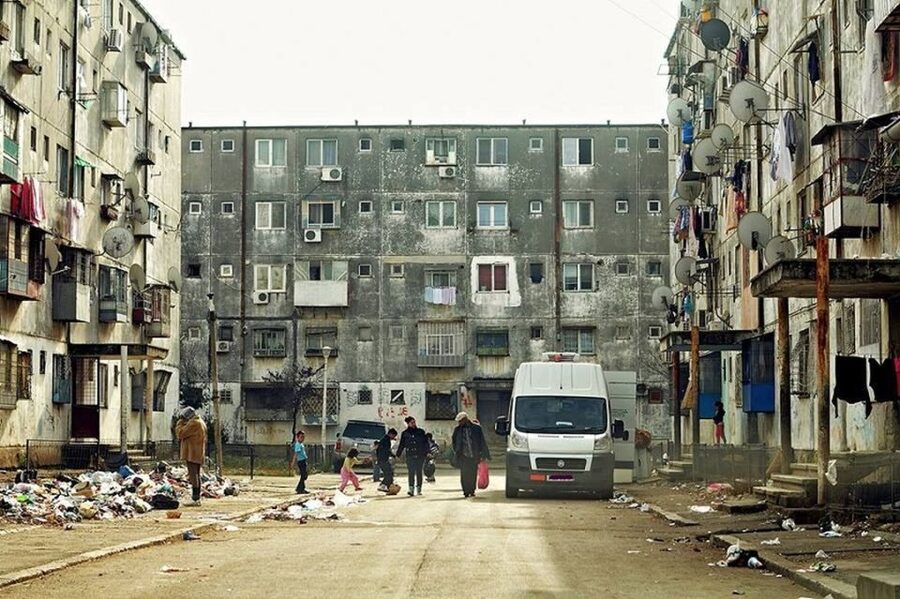
Then the tour shifts into Ferentari, described as a highly photographic and contrasting area known as the Machala city. This is where poverty and ghetto-style buildings come into focus, and the guide’s storytelling centers on the everyday struggles of the poor and underclasses.
What makes this valuable is that you get context, not shock value. Your guide is there for the “why,” explaining what you are looking at as you drive through. If you show up willing to listen, you end up with a more balanced view of Bucharest than you would from a monument-only route.
From Bragadiru Palace to Cotroceni Palace, the bourgeois neighborhood warm-up
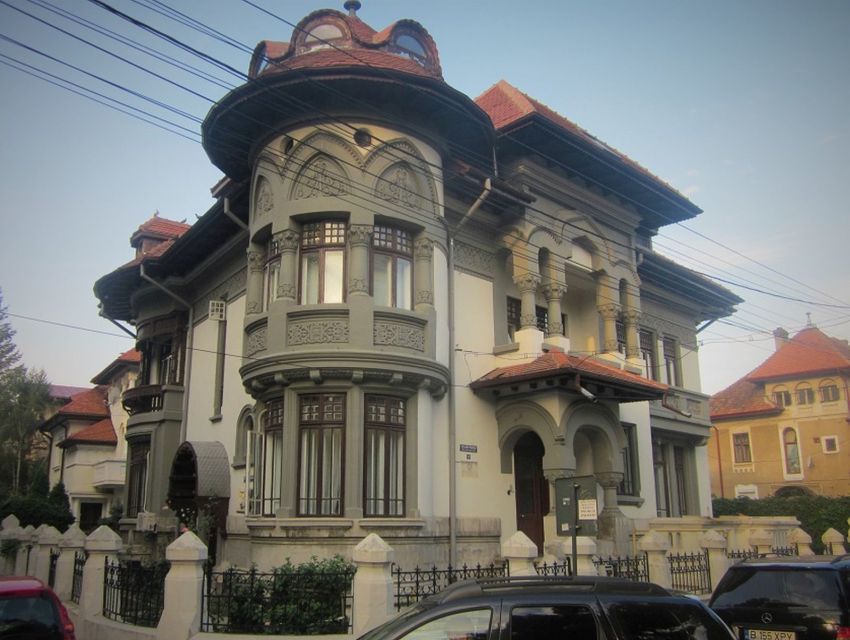
The tour starts with pickup in Bucharest, then you begin with a photo stop at Bragadiru Palace. You get about 30 minutes here for guided context and sightseeing, plus time for photos. It is a good opening because it sets the “architectural mood” early, before you start comparing neighborhoods side by side.
Next comes Fântâna Costache Negri, with a shorter 20-minute stop that includes a break, photo time, and guided explanations. A fountain might sound like a random stop on a social-history tour, but this is exactly how you get Bucharest’s texture. Small landmarks help you orient your brain, so the later neighborhood contrasts land harder.
Then you move into Cotroceni Palace, stopping for about 15 minutes with photo opportunities and a guided pass-through. Cotroceni is where you are meant to “see the villas,” from the residential feel to the kind of buildings that signal wealth and long-term stability. Depending on what the guide points out on the day, you might focus on the presidential context and the military and educational institutions nearby, plus the broader villa-quarter layout.
You also stop at Parcul La Broscuțe for about 15 minutes. This park break is useful because it gives you a moment to reset between neighborhood “lessons.” Even if you only walk a little, a short pause helps you absorb what you just heard and what you just saw.
Practical thought: wear comfortable shoes. Some parts are quick, but you will still be stepping out for photo stops and short guided moments.
Drumul Taberei: seeing everyday life in communist-era blocks
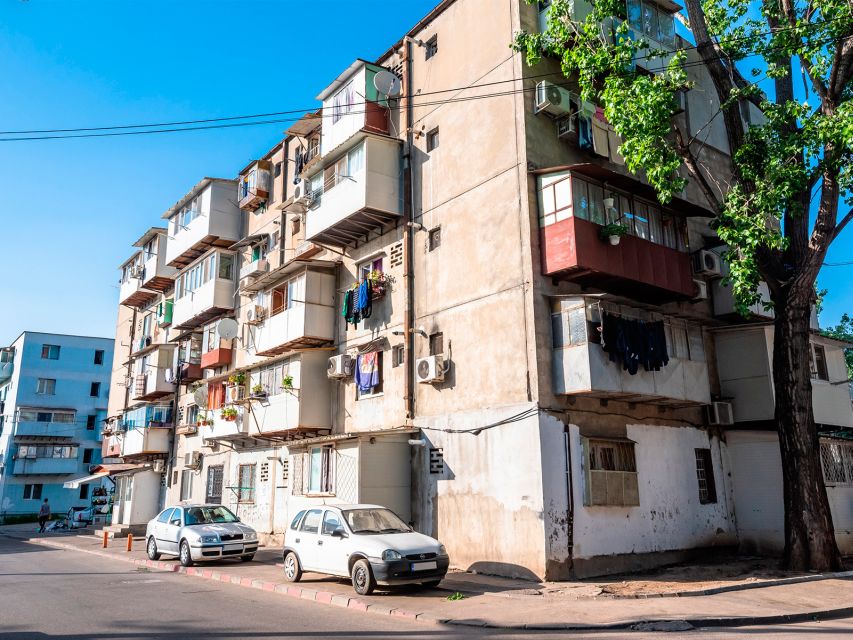
After the Cotroceni-side stops, the tour shifts into Drumul Taberei with about 20 minutes for photo stop, guided sightseeing, and time to look around. This is the neighborhood framed as where the average Romanian lives, and the big visual cue is the communist-era housing blocks.
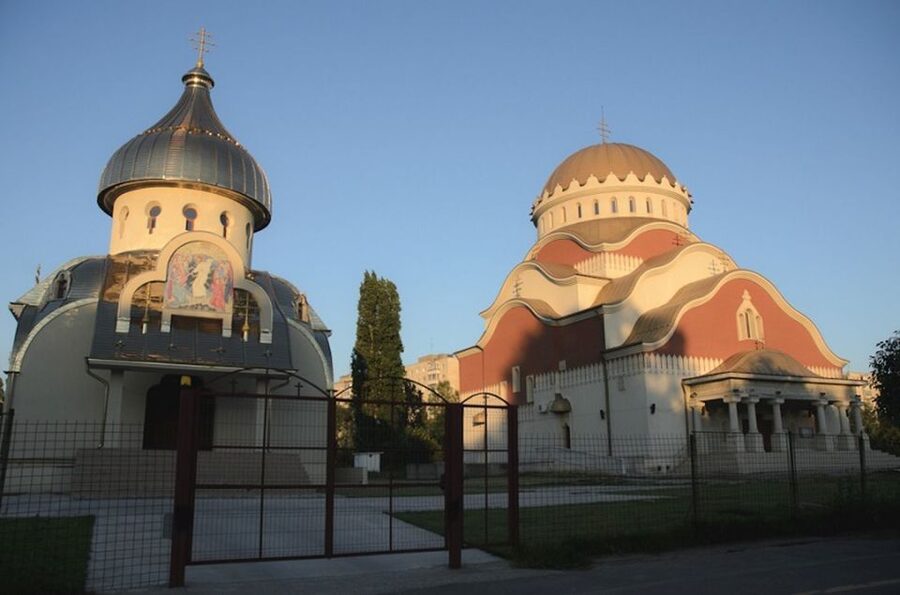
You will see those huge apartment blocks, and the guide connects them to how people lived and still live around them. The tour also highlights elements that matter in daily routines, like a peasant market and Orthodox churches frequented by local residents. That combination is what makes the neighborhood more than just an architectural display.
If you are the type who likes cities as they actually function, this part delivers. You are not only watching from the road. You get a short, focused moment to look at the rhythm of a residential area, the kind of place where people go to buy food, attend services, and move through their day.
A caution, said gently: because this is an observational tour, you should keep your tone respectful with photography. The whole point is understanding life, not collecting street shots like souvenirs.
Same base, a completely different day:
- Bucharest: Palace of Parliament Tickets and Guide
★ 4.3 · 3,182 reviews - Bucharest: Day Trip to Dracula Castle, Peles Castle & Brașov
★ 4.4 · 3,049 reviews - Bucharest to Dracula Castle, Peles Castle and Brasov Guided Tour
★ 4.5 · 2,933 reviews - Bucharest: Palace of Parliament Tickets and Guided Tour
★ 4.4 · 1,877 reviews
Ferentari through Rahova and Strada Toporași, the Machala city reality check
The Ferentari section is where the tour becomes most emotionally and socially direct. First up is Piața Rahova, a 15-minute photo stop with guided context. From there you go to Strada Toporași for about 10 minutes, again with photo time and a short guided explanation.
These stops are tied to the neighborhood described as the Machala city, known for high poverty and ghetto-style buildings. The guide’s job here is crucial. They explain the everyday struggles of Romania’s poor and underclasses so you understand what you are seeing, rather than guessing.
What I like about this approach is that it avoids turning hardship into a spectacle. You get the contrasts, but you also get the meaning behind them. The tour moves you through the city the way locals might talk about it, with social context baked into the route.
One practical note: this is a neighborhood where you should keep expectations realistic about comfort and aesthetics. If you want pretty postcard scenes the whole time, this is the part that will challenge that. But if you want a fuller picture of Bucharest, it is the heart of the experience.
The Palace of the Parliament stop, and why it fits this route
Even though the tour centers on neighborhoods, you still include a stop at the Palace of the Parliament with about 20 minutes for photo opportunities, guided sightseeing, and context.
Why does it fit? Because the Palace is one of those landmarks that inevitably ties into how power and resources are represented in a city. When you have already moved through Cotroceni and Drumul Taberei and then into Ferentari, the Parliament stop feels less like an isolated attraction. It becomes another data point in the same big story about social scale in Bucharest.
You do not get an all-day immersion here. It is more like a structured pause that gives you a recognizable symbol at the end of the route, with your guide framing it to match the rest of the tour.
Timing, comfort, and who this tour suits best
The tour runs about 3.5 hours. That is enough time to see three neighborhoods and make meaningful stops, without turning your day into a long endurance test. It is also private, so you can move at the pace the guide sets and spend more time on what interests you.
Group size is limited to three people per vehicle. If you have a larger group, a convoy can be arranged. That matters because it keeps the car experience intimate and helps your guide manage the photo stops smoothly.
English is the live guide language. That is especially important for this kind of social-context route, where the details depend on the guide’s explanations, not just the scenery outside your window.
Comfort and logistics notes you should not ignore:
- Bring comfortable shoes.
- The Dacia does not have AC and lacks modern features like GPS, so the ride can feel old-school.
- Water is provided in the car.
- Smoking, pets, oversize luggage, and alcohol or drugs are not allowed.
This tour also is not suitable for:
- Children under 10
- Pregnant women
- People with mobility impairments
- Wheelchair users
Price and value: what $126 per person buys you
At $126 per person for about 3.5 hours, you are paying for more than transportation. You are buying a private neighborhood route, hotel pickup and drop-off, a professional local guide who rides with you, and the Dacia 1310 experience itself.
It is a value win if you like guided context and you want the convenience of being picked up and returned to your accommodation. Without a guide and a coordinated route, it is harder to piece together Cotroceni versus Drumul Taberei versus Ferentari in a way that actually makes sense socially, not just geographically.
You also get small but real extras: water in the car and a souvenir. In a city like Bucharest, where you can easily spend time figuring out logistics, that kind of included support helps the whole outing feel smooth.
The main trade-off is comfort. No AC and a vintage car setup mean this is not a lounge ride. You have to be okay with the sensation of old-world travel, and you should dress for the weather.
Book it or skip it: my practical recommendation
You should book this tour if you want a guided Bucharest experience that goes past big sights and actually explains how different neighborhoods function. It is a strong fit for adults who enjoy learning through real streets and who like photo stops with purpose. If you are lucky enough to get Mihai as your guide, the experience is known to be friendly, well-informed, and driven safely, which makes the whole contrast-heavy route feel easier to handle.
Skip it if you need modern comfort in the car, because the Dacia has no AC and no modern navigation or safety tech like ABS. Also skip if mobility limitations matter for you, since the tour is not suitable for wheelchair users and people with mobility impairments.
If your goal is a quick, purely scenic city highlights tour, this may feel heavier than you want. But if you want a more honest, street-level picture of Bucharest’s social geography, it is one of the better ways to do it in a short window.
FAQ
How long is the Bucharest private three-neighborhood tour by vintage car?
The tour lasts about 3.5 hours.
What neighborhoods are included?
You visit Cotroceni, Drumul Taberei, and Ferentari.
What is the tour price?
The price is $126 per person.
Do you get hotel pickup and drop-off?
Yes, the tour includes hotel pick-up and drop-off from Bucharest.
What car do you ride in?
You ride in a restored Dacia 1310 vintage car.
Can I drive the Dacia during the tour?
No. Participants are not allowed to drive the Dacia.
Is the tour guided, and in what language?
Yes. You get a live tour guide in English.
What should I wear or bring?
Wear comfortable shoes, and bring nothing that counts as oversize luggage.
Is this tour suitable for children, pets, or mobility needs?
No. Children under age 10 are not allowed, pets are not allowed, and the tour is not suitable for people with mobility impairments or wheelchair users.
Latest reviews from around Bucharest
- ATV Adrenaline Race in Carpathian – Private Tour★ 5.0 · 4 reviews
- Private Tour of Jewish Bucharest★ 5.0 · 4 reviews
- Bulgaria One Day Private Tour from Bucharest★ 5.0 · 4 reviews
- Discover Medieval Transylvania Small Group Tour – 7 days★ 5.0 · 4 reviews
- In Search of Dracula and the Teutons in Transylvania Full-Day Private Tour★ 5.0 · 4 reviews
- Private tour: Medieval cities of Transylvania, 2 Days from Bucharest★ 5.0 · 4 reviews
- Bulgaria Day Trip – Private Tour from Bucharest – Veliko Tarnavo & Arbanasi★ 5.0 · 4 reviews
- Black See, Constanta and Mamaia Beach – Day Trip from Bucharest★ 5.0 · 4 reviews
Private, compared.
Castles of Transylvania: Private Day Trip from Bucharest
Read our review →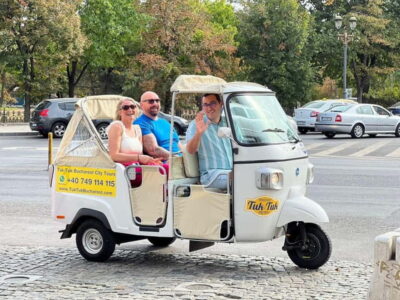
Bucharest: Best of Bucharest Private Tuk-Tuk Tour
Read our review →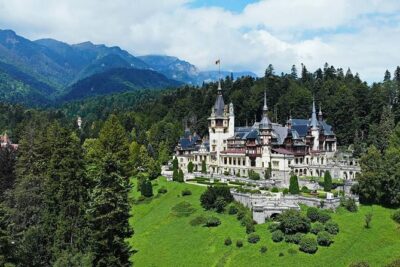
Dracula’s Castle, Peles Castle and Brasov – Private Day Trip from Bucharest
Read our review →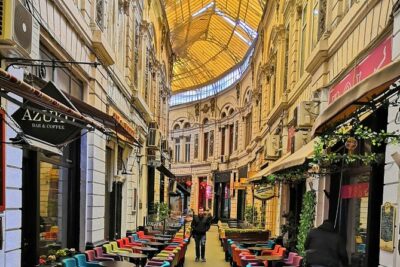
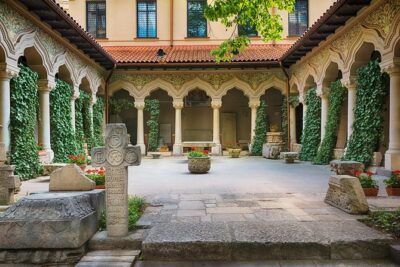
Bucharest Panoramic Sightseeing – Private City Tour
Read our review →
THERME “Take It Easy” Pack: Full Spa Access + Private Transfers
Read our review →
Piatra Craiului National Park Private Hiking Tour from Brasov
Read our review →