
Reviewed · 2-DAY EXPERIENCES
From Bucharest: 2-Day Medieval Transylvania Tour
Transylvania is usually something you plan with more time. This tour is interesting because it compresses the royal, medieval, and vampire folklore highlights into a two-day circuit, starting in Bucharest and ending back in Bucharest. You travel the Carpathian Mountain route with round-trip transport, then sleep in the historic atmosphere of Sighisoara before continuing to Sibiu.
I especially like the way the day-by-day stops make sense together. Your guide (I’ve heard excellent work from people like Bogdan, Alex, and Nicolas) turns castles and town squares into stories you can actually picture, not just facts you forget. You’ll also get proper guided walking time in places like Brasov, Sighisoara, and Sibiu, which is the difference between seeing buildings and understanding why they mattered.
One drawback to weigh: this is a lot of ground in two days. The mini bus hours can be long, and there are plenty of stairs and uneven surfaces, including the climb up to the Sighisoara clock tower. Also, you are responsible for arranging your own overnight stay in Sighisoara.
Key things that make this tour work
- Small group size (up to 18): better questions, easier group management, and more listening time than big buses.
- Carpathian route with round-trip transport: you skip the hassle of intercity planning and focus on the sights.
- Peles Castle plus Bran Castle in one day: royal 19th-century grandeur, then border fortress drama.
- Brasov walking tour built around landmarks: City Hall clock tower, the Gothic Black Church, watch towers, guild streets, and the narrowest street in Europe.
- Sighisoara stays medieval even after dark: a permanently inhabited citadel, plus Vlad Dracula connections.
- Sibiu’s German Saxon identity: German heritage for over 800 years, plus the Great Square and the Bridge of Lies.
Transylvania in 48 hours: why this itinerary is such a good fit
If you only have two days, you face a choice. Either you pick one town and go slow, or you do the big highlights and accept some speed. This tour chooses the second option, but it is not reckless. The route is built like a story: palace elegance, Dracula folklore, Transylvanian Saxon towns, then the medieval heartbeat of Sighisoara and the cultural center of Sibiu.
That structure is what makes it feel valuable. You’re not jumping randomly. You’re moving from one era and one regional identity to the next, with your guide helping you connect the dots as you go. It’s also why the small-group format matters. With fewer people, you’re more likely to hear the explanation, not just follow along.
And yes, it is a packed schedule. The upside is that you get the headline sights without needing your own car. The downside is that you’ll want comfortable shoes and realistic expectations about pace.
What else fills a day around Transylvania:
- Private Hiking OR Climbing Experience in beaufitul gorges
★ 5.0 · 50 reviews - Carpathians in Romania: Bucegi Natural Park with native Spanish guide.
★ 5.0 · 16 reviews - Carpathians in Romania: Piatra Craiului National Park with native Spanish guide.
★ 5.0 · 11 reviews
The Bucharest-to-Transylvania drive: what the long day feels like
You start with pickup from a central meeting point in Bucharest: the taxi station main avenue next to the Grand Hotel Bucharest. From there, the tour heads into the Prahova Valley direction, then onward toward Sinaia, Bran, Brasov, and finally Sighisoara.
This matters because the driving time is part of the experience. You’re traveling through mountain regions and river valleys, not cruising flat highways. At the same time, you should be ready for a long day in a vehicle. Bring a light layer, keep water handy if your day doesn’t include food stops you like, and plan to use the ride time to rest your legs.
Traffic can also affect the return to Bucharest, especially on long-route days. The itinerary order can shift based on season, weather, and opening hours, and sometimes one castle visit may happen only from the outside if conditions force a change. That flexibility is important in Romania, where the real world does not always match a schedule on paper.
Peles Castle in Sinaia: royal Romania with German Renaissance style
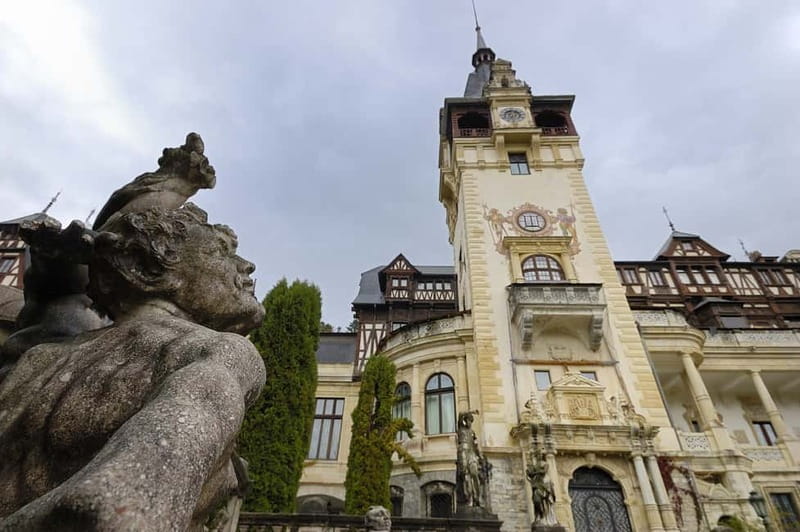
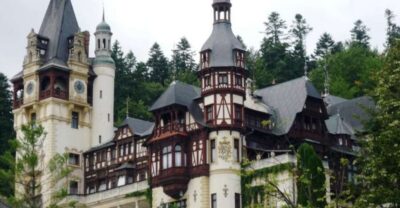
Your first major stop is Peles Castle in Sinaia. This is the kind of place that makes Transylvania feel like more than just legends and dark streets. Built in the 19th century by Romania’s royal family, Peles stands out for its German Renaissance style of decoration.
What I like about this stop on a guided route is that you don’t just look at pretty rooms. Your guide gives context for how and why this kind of palace fit into the region’s identity. It’s a quick lesson in how European tastes, local power, and royal ambition all overlapped here.
You also get free time at Peles Castle. That is key, because castle interiors work best when you pace yourself. If you want photos, take them early, when the lighting feels best. If you want details, slow down near the most decorated areas and let your eyes adjust.
Two practical notes. First, check opening status for your travel dates. Peles Castle is closed from 3 November to 2 December, so plan accordingly. Second, entrance fees are not included, so you should expect to pay them separately if you enter the castle (skip-the-ticket-line is included, but it does not remove the need for entry tickets).
Bran Castle: the fortress link to Vlad the Impaler and Dracula folklore
Next comes Bran Castle, often called Dracula’s Castle. It’s a nickname, but the castle itself is real, and it has a strategic backstory. Bran was originally built as a fortress at a former border between Wallachia and Transylvania, which is why it looks like a watchful sentinel over the valley.
Here’s the value of visiting with a guide: your guide ties the legendary ruler Vlad the Impaler into the broader folklore chain. The goal is not to prove a single story as fact. It’s to show you how legends form around real political tensions and borderlands history.
You’ll also have free time at Bran. Use it. Photos around Bran can be dramatic, especially in overcast weather. Just don’t use all your time standing in one spot. Walk the viewpoints a bit, and you’ll see how the fortress position shapes the whole experience.
One caution: you might expect a full vampire-themed attraction. Bran is still a castle first. So bring your imagination, but also your curiosity about architecture and border defense.
Same base, a completely different day:
- Excursión en Moeciu de Sus (recomendado para familias) con guía español nativo.
★ 5.0 · 11 reviews - 7h Dracula’s Castle Private Tour from Bucharest – Fast Tour
★ 5.0 · 11 reviews - From Bucharest: Bear Sanctuary and Dracula Castle Day Tour
★ 5.0 · 9 reviews - Day trip on Quad ATV – Transylvanian outdoor adventure
★ 5.0 · 8 reviews
Brasov walking tour: Gothic Black Church, guild streets, and watch towers
After Bran, you reach Brasov, a city that still keeps its medieval charm in its historical center. This is where the tour shifts from “castle spectacle” to “walkable city atmosphere.”
Your Brasov walking tour typically starts at the main square. You’ll see the old City Hall with its clock tower, the Gothic Black Church, fortifications, and two watch towers up the hill. You’ll also get to notice the craftsmen guilds and the famous narrowest street in Europe.
Why is this stop so important on this particular tour? Because it shows a second layer of Transylvania. Castles are power from the top down. Brasov is everyday life, where merchants, craftsmen, and city governance shaped culture street by street.
Plan for steps. Even if you do not think of yourself as someone who walks a lot, this day asks for decent stamina. Wear shoes you trust on uneven pavement. If your legs complain, step slower, and let your guide know. Small-group pacing is usually adjustable enough to keep the experience enjoyable.
And if weather is rough, the city still works. You can cluster your photo stops around key landmarks and keep moving without losing the whole day.
Evening in Sighisoara: what it’s like to arrive at a medieval citadel
By the evening, you’ll reach Sighisoara, where your guide sets the departure time and location for day two. This is the part I think many people underestimate. Sighisoara is not just another stop on a route. It’s a living citadel, a place built for defense and still used by real people.
Accommodation is not included, even though the schedule includes an overnight there. That means you should book a stay within Sighisoara town since the tour does not provide pick-up or drop-off from your accommodation. It’s a good idea to choose somewhere close to the citadel center, so you can step out easily for photos and dinner.
In the evening, you can use the light to your advantage. You’ll likely see the medieval streets in a calmer mood than daytime crowds, and that makes it easier to grasp why Sighisoara is one of the very few permanently inhabited citadels in Europe.
Sighisoara in the morning: citadel views and Vlad Dracula’s birthplace house
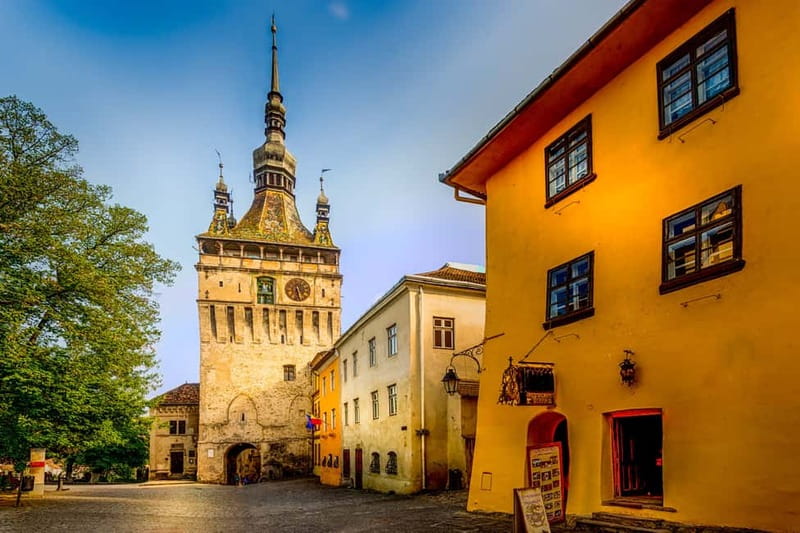
Day two starts with breakfast, then a tour of the medieval citadel of Sighisoara. This is the spot where the Dracula connection gets personal, because Vlad Dracula is linked to this place as his birthplace, and you’ll see his house.
Then comes the 500-year-old clock tower. You climb up for a fantastic view over Sighisoara. This is the kind of climb that can feel like a workout, especially after a long first day. Pace yourself on the stairs and save your energy. The view is worth it, but don’t rush and don’t try to treat it like a race.
If you like history explained with human scale, Sighisoara is one of the best places in the region for that. It feels close and walkable, which makes legends feel less like distant theater.
Sibiu, or Hermannstadt: German Saxon identity in the heart of town
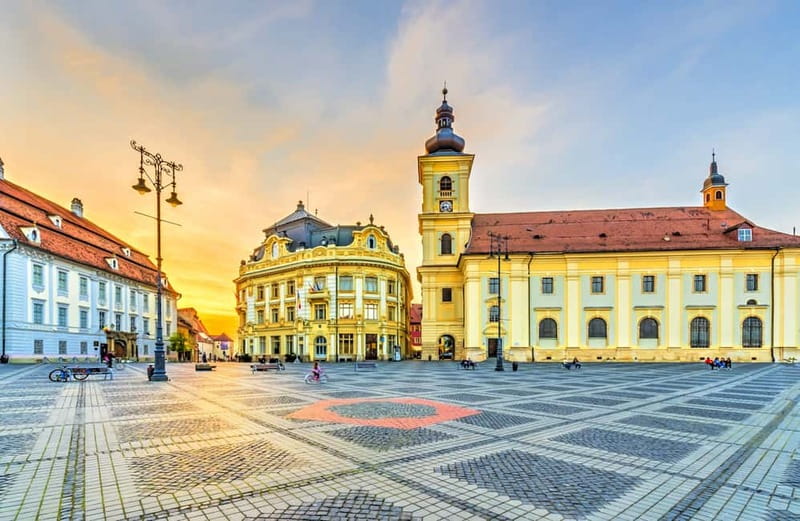
After Sighisoara, you head to Sibiu, also known as Hermannstadt. This is the heart of the German community in Romania. The German Saxons lived here for over 800 years, and you feel that layered identity in the architecture and the town layout.
Your stop includes key sights from medieval times, starting with the Great Square. You’ll also have time to see the Brukenthal Museum and the Bridge of Lies.
The Bridge of Lies is a fun one because it’s tied to local legend, but it still fits the day’s theme. The tour isn’t just giving you “dark stories.” It’s showing how communities mark their identity with symbols, architecture, and playful myths.
You’ll get free time in Sibiu too. Use it wisely. If the weather is good, you’ll enjoy walking the squares and side streets at your own speed. If it’s rainy, stick to the most central sights and keep your breaks short.
The Olt river valley drive back to Bucharest
On the way back, the tour goes along the Olt river valley toward Bucharest. This section is less about tight photo spots and more about settling into the last part of the journey. After two intense days of stops, the drive gives you a breather.
It also helps to explain why timing can slip. Roads through valleys can be slow when traffic builds or when incidents happen. On one trip example, traffic impacted the return, and that’s a realistic risk in any long-route itinerary.
So, plan your next day in Bucharest with some breathing room. If you have a flight, give yourself extra buffer. If you have plans later that night, consider moving them earlier if you can.
Price and value: what $135 really buys you
At $135 per person for two days, the value comes from the combo, not from any single castle. You’re paying for:
- Round-trip transport from Bucharest in an air-conditioned vehicle
- A professional English guide with live commentary onboard
- Walking tours and storytelling at multiple towns
- Skip-the-ticket-line at stops where tickets apply
- Free time in the main locations so you can actually enjoy them
Entrance fees and food are not included. That means your cash budget will still have a few additions for castles and meals. But compared to booking each item separately, you’re buying time, coordination, and a coherent route.
The small-group limit of 18 also affects the value. In practice, it reduces the “herding” feeling. You get more chances to ask questions and stay on track, especially on walking segments.
Just remember the pace. Some people find two days perfect for the big hits. Others feel it’s a lot of movement. If you want a slower travel rhythm, think about stretching to three days or adding extra time to at least one town.
Who this tour is best for, and who should skip it
This tour is best for you if you:
- Want the major Transylvania highlights without renting a car
- Like guides who connect legends and architecture into a story you can remember
- Enjoy walking city centers and climbing stairs for views
- Prefer small groups over big buses
You should be cautious if:
- You need wheelchair access. The tour is not wheelchair accessible due to uneven surfaces.
- You have pre-existing medical conditions that might make stairs and long driving uncomfortable.
- You hate the idea of packing light, because luggage and large bags are not allowed.
Packing light is also not just a rule, it affects comfort. Keep essentials only so you’re not wrestling with bags while you climb and walk.
One more tip: bring patience for weather. Snow and winter conditions can turn the experience cozy and magical, but it also changes how fast you move. The guide may adjust the day based on conditions, including sometimes visiting only outside of a castle.
Should you book this 2-Day Transylvania Tour?
Yes, if you’re trying to make the most of limited time. This is one of the more efficient ways to see royal Peles, Dracula-linked Bran, the medieval streets of Brasov, the living citadel of Sighisoara, and the German Saxon landmarks of Sibiu, all with an English guide and round-trip logistics handled.
No, if you want a slow, deep exploration of only one place, or if stairs and uneven old-town surfaces are a deal-breaker for you. This is a “see a lot” tour, and it pays off when you go in ready for movement.
If you do book it, plan your Sighisoara lodging early, wear comfortable shoes, and assume the weather and traffic can nudge timings. With that mindset, the route feels like a fast, cinematic overview of Transylvania, with just enough guidance to turn the scenery into stories.
FAQ
Where is the meeting point in Bucharest?
The pickup point is the taxi station main avenue next to the Grand Hotel Bucharest.
What is included in the tour price, and what is not?
Included are the professional onboard English guide, air-conditioned transport, live commentary, and free time at Peles Castle, Bran Castle, Brasov Historical Center, Sighisoara, and Sibiu. Not included are food and drink (unless specified) and entrance fees.
Is overnight accommodation in Sighisoara included?
No. Accommodation is not included. You should book your stay within Sighisoara town since the tour does not provide pick-up or drop-off from accommodations.
Is the tour wheelchair accessible?
No. The tour is not wheelchair accessible due to uneven surfaces.
How much walking and stairs should I expect?
You should expect plenty of walking and many stairs and steps, including climbing up to the top of the 500-year-old clock tower in Sighisoara.
Do I need a passport or ID?
Yes. Bring your passport or ID card.
Latest reviews from around Transylvania
- 1250cc Motorcycle Rental from Turda★ 5.0 · 4 reviews
- Day trip on Quad ATV – Transylvanian outdoor adventure★ 5.0 · 8 reviews
- Carpathians in Romania: Piatra Craiului National Park with native Spanish guide.★ 5.0 · 11 reviews
- Excursión en Moeciu de Sus (recomendado para familias) con guía español nativo.★ 5.0 · 11 reviews
- Private Hiking OR Climbing Experience in beaufitul gorges★ 5.0 · 50 reviews
- Carpathians in Romania: Bucegi Natural Park with native Spanish guide.★ 5.0 · 16 reviews
- From Bucharest: Bear Sanctuary and Dracula Castle Day Tour★ 5.0 · 9 reviews
- 2 Day Private Tour from Bucharest in Transylvania★ 5.0 · 3 reviews
2-Day Experiences, compared.
2-Day Medieval Transylvania with Brasov,Sibiu and Sighisoara Tour from Bucharest
Read our review →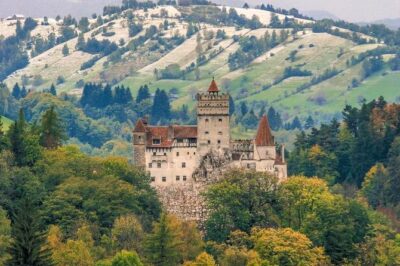
2-Day Transylvania from Bucharest: Brasov, Bran, Sighisoara
Read our review →
2-Day Private Tour of Transylvania from Bucharest
Read our review →
2 Days Private Tour in Transylvania from Bucharest – 4 Medieval Cities
Read our review →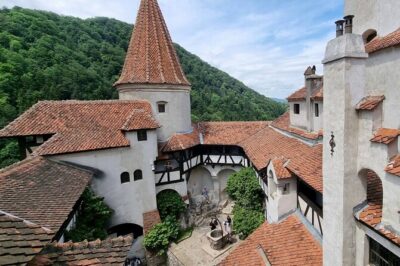
2 Days – Private Tour to Transylvania – Brașov, Sighișoara, Sibiu
Read our review →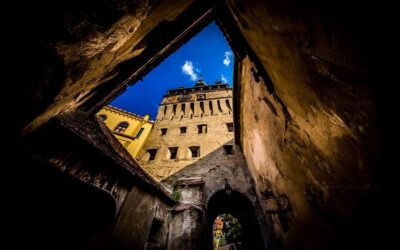
Premium Transylvania and Dracula’s Castle 2-Day Tour
Read our review →
2 Days Private Tour Transfagarasan Road & Sibiu from Bucharest
Read our review →Browse the lists this tour appears in