
Reviewed · SIGHIșOARA
City Tour Sighisoara Legends & Landmarks A Walk Through Time
Sighisoara is the kind of place where the town layout practically narrates its own past. This guided walk through the medieval citadel turns the cobblestones into a timeline, from Sighisoara’s German-influenced Saxon culture to the stories tied to Vlad the Impaler. It is equal parts landmarks and context, not just a quick pass for photos.
What I like most is the small-group feel and the way the guide slows down to point out details. If you end up with guide Petre or Charles or Peter, you get long-form explanations, plus historical pictures that help you see what you are looking at.
One thing to plan for: this is a walking tour with moderate physical demands. Also, while many sights are viewed from the outside, church interiors and some photo moments can cost extra, depending on what you want to go inside.
Key highlights worth your time
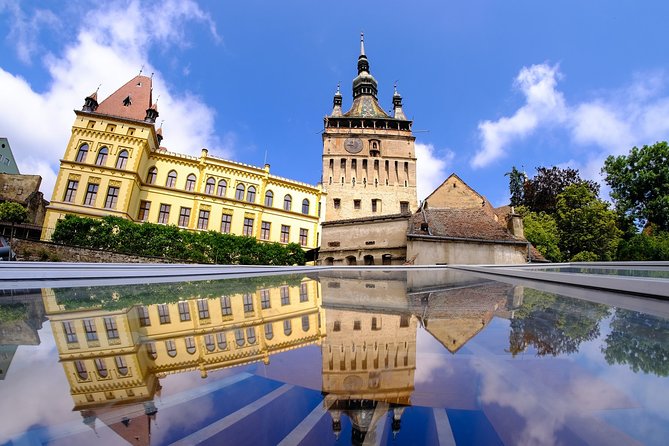
- Citadel Market Place and Dracula-related landmarks, tied into the real place and people who built this town
- Clock Tower and the Covered Staircase, two “how did they build this” moments on a tight route
- Church on the Hill and St Joseph Church access, with guidance on when extra fees may apply
- Guild towers and bastions like the Butchers’ Bastion and multiple craft-tower names that explain the city’s economy
- The German Cemetery stop, useful for understanding how the community shaped its rituals and identity
Walking the Sighișoara Citadel Like a Story Map
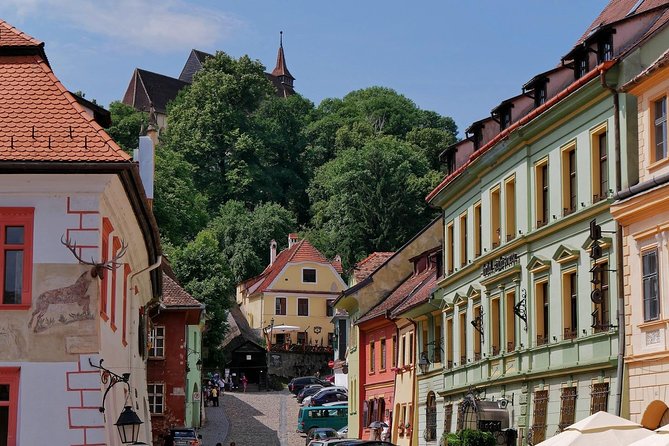
Sighisoara’s UNESCO status is not just a badge. It is what makes the walking work. The citadel is compact enough that you can keep moving, yet layered enough that every turn feels like a new chapter. The best part of a guided format here is that you learn what each building category was for, and how the pieces connect.
This tour runs about 2 hours and stays centered around the main citadel area. The group size is capped at 30, which means the guide can actually manage pace and questions. You also get to choose an 11:00 am start option, plus an additional departure window later in the day, so it is easier to match with your other plans in Romania.
You will be on stone streets and stair steps. That is part of the charm, but it also means you should bring shoes you trust. If your feet are sensitive, plan for breaks. The tour is described as moderate physical fitness, and you will get the most out of it if you move steadily rather than rushing.
More of Sighișoara:
- Small Group Tour to Viscri Church Sighisoara Town Rupea Fortress
★ 5.0 · 225 reviews - 2-Day Medieval Transylvania with Brasov,Sibiu and Sighisoara Tour from Bucharest
★ 4.5 · 145 reviews - From Brasov: Sighisoara and Viscri UNESCO Day Tour
★ 4.8 · 86 reviews
Meeting at Piața Muzeului 6, then Getting Oriented Fast
The meeting point is Piața Muzeului 6, and the tour returns you there at the end. That sounds simple, but it matters in a medieval citadel. You do not waste time hunting for where you started. You also avoid the common problem of being dropped at a random corner, which is a pain when your next stop is outside the old core.
A mobile ticket is offered, which helps if you like keeping everything on your phone. The tour is also listed as near public transportation, so you should be able to fit it into a day even if you do not have a car.
One more practical note: it is English-speaking throughout. The guide is the product here. The value comes from explanations, not just reciting names from a board. You can feel that in the strongest feedback from past participants, who repeatedly highlight the guides’ ability to connect architecture, religion, art, and politics into one readable story.
Citadel Market Place, Clock Tower, and Dracula’s Birth House, with context
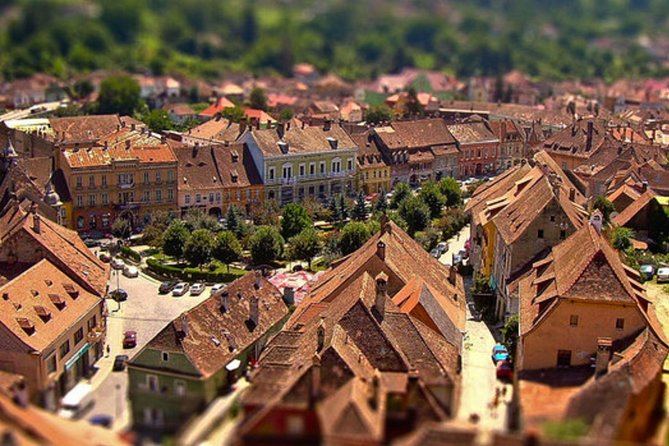
The tour begins by steering you to Sighisoara’s most central “anchor points,” starting with the Citadel Market Place. Think of this as the city’s stage. From here, the rest of the town starts to make sense. Market areas reveal where commerce happened, where families gathered, and how a community organized itself physically.
Then you move into the cluster of landmarks tied to Dracula legend. You will see the Dracula’s Birth House and other related stops, including the Clock Tower. The key is not memorizing a plot. It is learning why the legend clings to this town and how the medieval setting became part of modern storytelling.
The Clock Tower is one of those stops where it is easy to take a picture and move on. With a guide, you learn what you are looking at and why it mattered to daily life. In medieval towns, timekeeping was not an abstract idea. It was tied to work, markets, and the rhythm of a community inside fortified walls.
This part of the tour is also where you get your best opportunities for quick photos. But try not to treat it like a checklist. Pause for a few extra seconds at each key angle. From the right spot, you can see how the towers and houses relate, and you will later understand why certain streets feel built for defense.
Covered Staircase and School Hill, the medieval route up and down
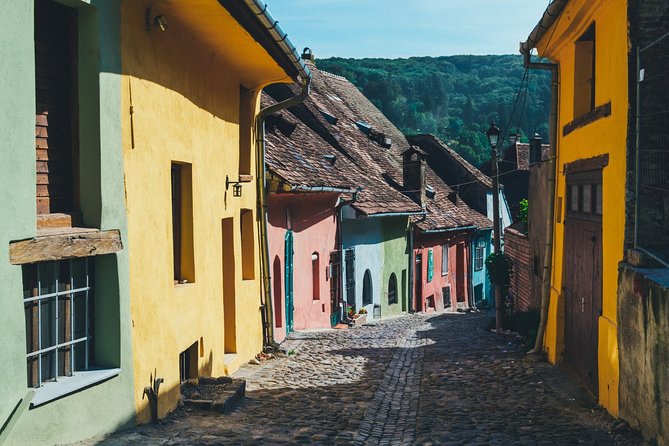
Next comes a big “verticality” moment: the Covered Staircase and the approach up toward School Hill. These features are more than scenery. They show how the town managed movement across slopes and why covered passages were useful in daily life.
Staying on the right side of the hill also helps you read the town’s structure. Sighisoara looks chaotic from street level until you understand the layers. Once you see the route, it becomes easier to picture how people lived, taught, worshipped, and moved between neighborhoods.
School Hill matters because it reminds you this was not only about defense and trade. It was also about learning and social structure. When a guide talks through why education or religious institutions were placed where they were, you stop thinking of the citadel as frozen in time.
If you enjoy historical details, this stretch tends to land well. Past feedback emphasizes how guides point out small architectural tells that most people miss. That means you get more than landmark names. You learn what to notice when you look up at windows, towers, and the edges where buildings meet.
More Walking Tours in Sighișoara
- City Tour Sighisoara Legends & Landmarks A Walk Through Time
★ 4.9 · 83 reviews - Bucharest: City Highlights Guided Walking Tour
★ 4.9 · 1,482 reviews - Bucharest: Communism and History Guided City Walking Tour
★ 4.9 · 918 reviews - Bucharest Highlights Walking Tour
★ 5.0 · 469 reviews
Church on the Hill and St Joseph Church, where extra fees can appear
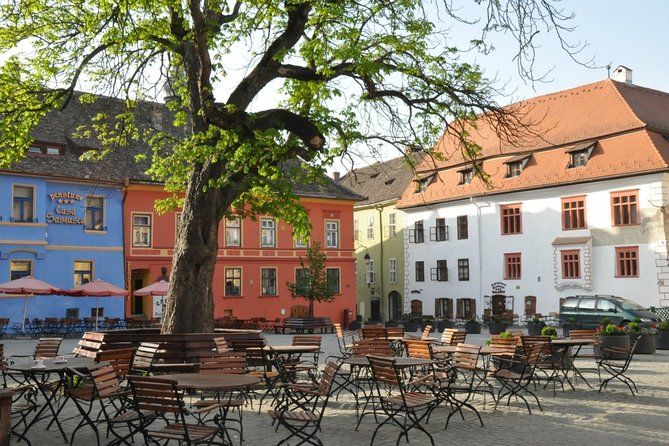
One of the headline reasons to book is that you get access to the interior of the Church on the Hill and St Joseph Church. That is a meaningful upgrade from tours that only point outside at facades.
That said, expect the practical side to matter here. Entrance fees are listed as not included, and there can be an added charge for entering and for photos inside. One detailed note from a previous tour experience mentioned an added fee of 8 lei for the Church on the Hill, and that this allowed photos inside. Your exact cost may vary, so it is smart to budget a small extra amount if you want interiors and not just exteriors.
If you care about religious art, church layout, or how faith shaped daily rhythms, take advantage of this part. A guided explanation can help you see what changes between churches are not random. They are connected to community identity, era, and influences in the region.
Also, do not underestimate the mood shift when you step inside. After the open-air views, churches bring you back to texture and detail. Even if you only spend a few minutes, the visit often makes the whole town feel more human.
German Cemetery and guild craft stops that explain how money worked
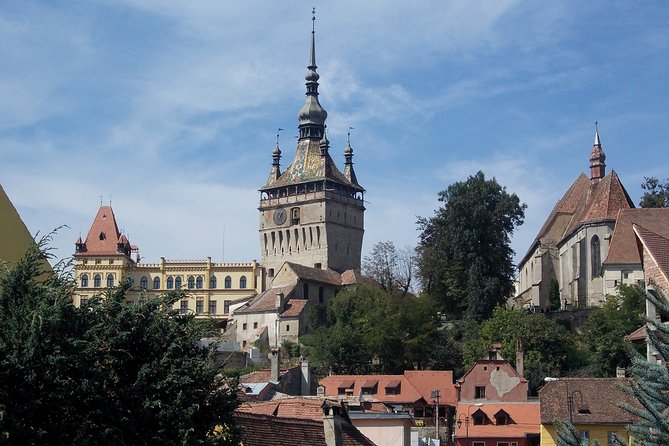
A standout stop is the German Cemetery. It can feel like a “break in the timeline,” but it actually strengthens your understanding of how the community defined itself. Cemeteries are one of the most direct ways to see who belonged, how families persisted, and what the town valued enough to remember.
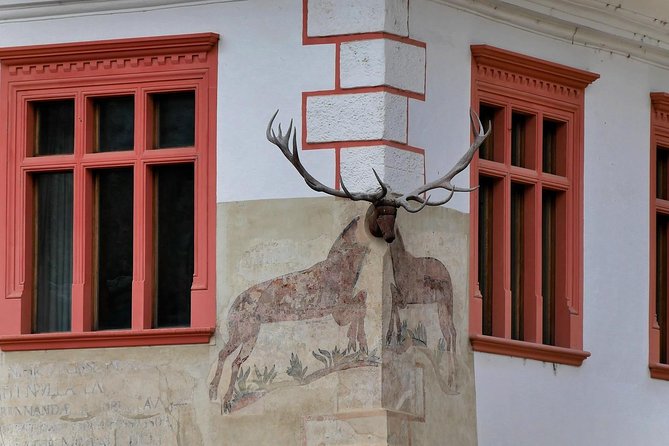
From there, the tour continues into the craft and defense language of Sighisoara. You will visit major fortified points such as the Butchers’ Bastion, plus multiple guild towers and craft-related towers including the Tailors’ Tower and the Furriers’ Tower. You will also encounter the Tin Moulders’ Tower and the Venetian House, along with the House with the Deer Antler.
Why do these names matter? Because they are not just decorative labels. They point to a system where trades organized the town. When you understand that, the towers stop being random medieval set pieces. They become evidence of economic power and local identity.
The German-Saxon influence is an important thread. It shows in the architecture and the way trade groups shaped the skyline. When your guide ties these places together into one explanation, the citadel turns into a map of how the town functioned, not a museum of individual buildings.
If you like photos, this is where you can get strong shots. Towers, bastions, and carved facades give you more angles than flat market streets. Still, stay mindful of time and crowds at each stop, especially when the weather is cold or wet.
Butchers’ Bastion, guild towers, and how the route helps you see the town
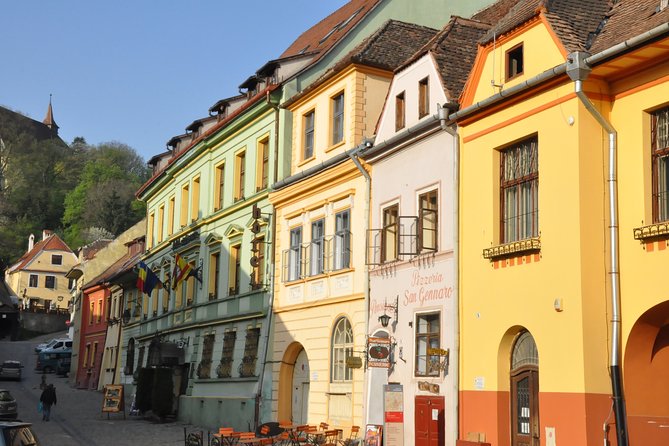
The itinerary intentionally works in a loop that keeps you moving through key zones without doubling back too much. You start with the central market and Dracula-linked landmarks, then shift upward and across toward hill points and church stops, and finally return through the tower and cemetery stretch.
One reason this route works is that it lets you compare building types in a short time. You see fortified structures, residential craft-related houses, and religious architecture back-to-back. That makes details easier to remember, and it prevents the “I saw a tower, then I forgot which one” problem.
There is also a pacing element worth noting. The tour duration is listed as around 2 hours, but guides sometimes take longer depending on questions and interest. If you are the kind of person who asks about why a tower was built where it was, go in ready to slow down.
For me, the best guide style here is the one that connects dots. Past experiences highlighted guides who do not stick to myths. They focus on local architecture, religion, and how politics shaped daily life. That is exactly what you want in a place where Dracula is the headline, but the actual town is the real story.
Price, what you are really paying for, and optional extras
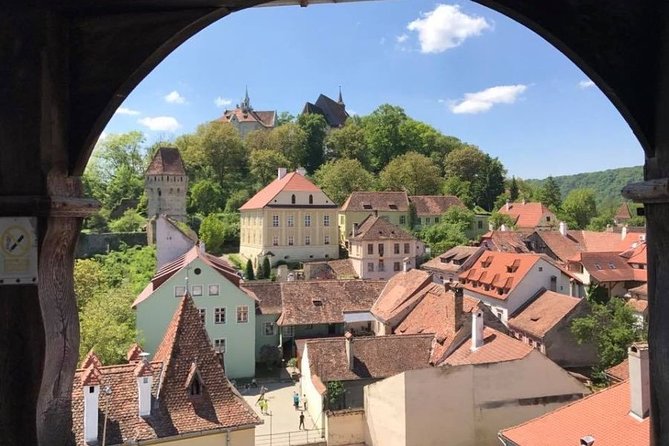
The price is $46.96 per person for a group tour of about 2 hours, with an English-speaking specialized guide. That sounds like a straightforward cost, but the value depends on what you get from the guide.
Here’s the practical way to think about it:
- You are paying for interpretation. In Sighisoara, the details are not always obvious to a first-time visitor.
- You are getting interior access for at least the Church on the Hill and St Joseph Church, which is often where standalone ticketing costs can add up.
- You might also face additional entrance fees or photo fees at specific stops, since entrance fees and photo fees are listed as not included.
There is also a private tour supplement mentioned as €20.00 per person, but you are booking this as a group option.
If you are comparing this against self-guided walking, here is the catch. Self-guided works if you love reading and you already know what to look for. A guided walk helps you understand what you are seeing without needing to research on the spot. For a compact citadel like this, that guidance usually makes your time feel efficient.
When to choose this tour, and who it suits best
This is a good fit if you:
- Want a guided route through the main citadel core without planning each stop
- Like history that explains architecture and how towns worked, not only legend headlines
- Prefer a small group with a guide who can answer questions
It is also a good choice if you are traveling with kids, as the guides have been praised for engaging children through stories and experiences. Still, remember the tour notes that children must be accompanied by an adult, and there is walking involved.
If you are mobility-limited, the cobbles and stairs matter. You should assess your comfort with moderate walking and elevation changes. If you are sensitive to cold weather, dress for it. One neat advantage of this tour style is that it keeps you inside when church access is offered, and then back outside where the views help you “read” the town.
A quick reality check: myth versus local meaning
Sighisoara markets the Dracula connection, and you will see those Dracula-adjacent stops. But the best version of this tour does not treat everything like a movie set. It keeps steering you back to how the town was built, how communities organized work, and how religious life shaped the places people used every day.
That balance is exactly what makes the tour feel worthwhile. You still get the iconic sites, but you also get grounded interpretation so you come away with more than a caption for your photos.
Should you book Sighisoara Legends and Landmarks?
Book it if you want a structured walk through Sighisoara’s UNESCO citadel, with a guide who explains how the place works. The price makes sense when you factor in interior visits and the time saved figuring out what to notice.
Skip or consider another option if you:
- Want a completely independent stroll with zero extra interpretation
- Are not comfortable with stairs and cobbled streets
- Do not want to deal with any possible extra fees at church interiors or for photos
If you want one simple decision rule: if you enjoy turning old towns into stories you can actually understand, this is a very solid choice.
FAQ
How long is the Sighisoara Legends and Landmarks tour?
It runs for about 2 hours.
Where does the tour start?
The meeting point is Piața Muzeului 6, Sighișoara, Romania.
What time does the tour start?
The start time listed is 11:00 am.
Is the tour guided, and what language is it in?
Yes. It includes an English-speaking, specialized guide.
How big is the group?
The tour has a maximum of 30 travelers.
What is included in the price?
The tour includes the English-speaking specialized guide.
What is not included?
Entrance fees, photo fees, and personal expenses like alcohol and souvenirs are not included. Any entrance or photo charges may apply depending on what you choose to access.
Does the tour include Church on the Hill and St Joseph Church?
The highlights state that the tour provides access to the interior of the Church on the Hill and St Joseph Church.
Is admission for attractions included?
Admission is shown as free on the tour details, but entrance fees are also listed as not included, so you should expect some places may require extra fees.
What is the cancellation policy?
Free cancellation is allowed up to 24 hours in advance for a full refund. If you cancel less than 24 hours before the start time, the amount paid is not refunded.
Latest reviews from around Sighișoara
- Gems of Transilvania: Brasov,Sighisoara,Sibiu,Viscri and more★ 5.0 · 6 reviews
- 2-Day Small-Group Tour to Dracula’s Castle, Rasnov Fortress, Peles Castle, Sighisoara and Libearty Brown Bear Sanctuary with Overnight in Brasov★ 4.5 · 9 reviews
- Exclusive tour: Sighisoara, Medias and Biertan tour from Sibiu★ 5.0 · 9 reviews
- Transylvania Gems: Sighisoara, Medias, Biertan & Roma Encounter★ 4.5 · 14 reviews
- 2 Days – Private Tour to Transylvania – Brașov, Sighișoara, Sibiu★ 5.0 · 17 reviews
- 4 Days Private Tour in Transylvania: Sibiu, Sighisoara and Brasov★ 5.0 · 18 reviews
- Sighisoara and Biertan: UNESCO in Transylvania★ 5.0 · 27 reviews
- Brasov: Historic Gems Sighișoara, Rupea and Viscri Day Tour★ 5.0 · 31 reviews
Sighișoara, compared.
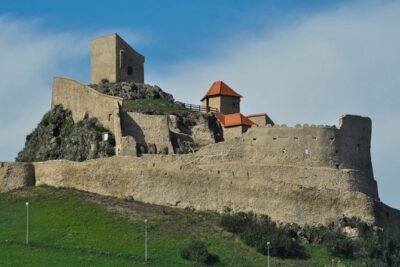
Small Group Tour to Viscri Church Sighisoara Town Rupea Fortress
Read our review →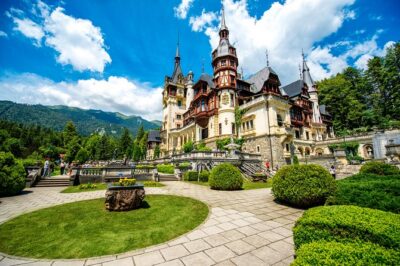
2-Day Medieval Transylvania with Brasov,Sibiu and Sighisoara Tour from Bucharest
Read our review →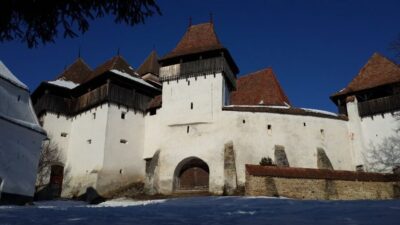
From Brasov: Sighisoara and Viscri UNESCO Day Tour
Read our review →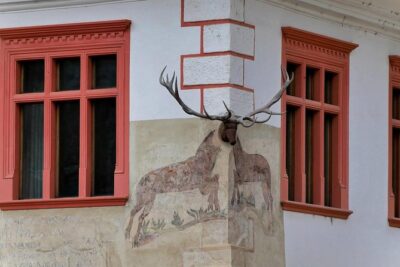
City Tour Sighisoara Legends & Landmarks A Walk Through Time
Read our review →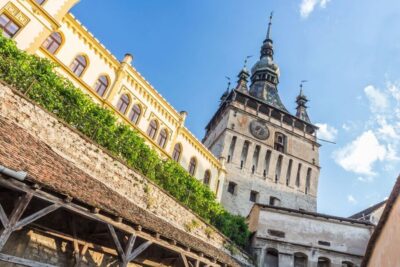
Sighisoara: Candlelight Tour of Dracula’s Home Town
Read our review →
2-Day Transylvania from Bucharest: Brasov, Bran, Sighisoara
Read our review →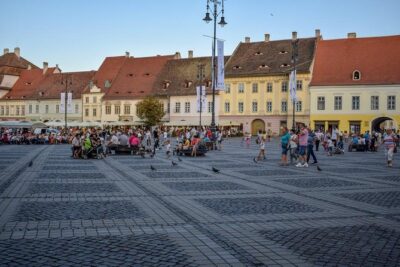
Secrets of the Citadels: Brașov, Viscri, Sighișoara and Sibiu
Read our review →
Sighisoara and Viscri Private Full-Day Tour from Brasov
Read our review →Browse the lists this tour appears in