Reviewed · TOURS
Unique Tour of Hidden Bucharest
Bucharest is often sold as grand boulevards and communist-era blocks, but this tour is more like going through a secret back door into the city’s older layers. You’ll walk through mahalla neighborhoods and Belle Époque streets, then connect the dots between empires, ethnic quarters, earthquakes, wars, and later demolitions.
I especially like that the stops focus on how the city grew, not just what to photograph. I also like the human scale, max 12 people, with a local guide who can point out details most visitors miss. One possible drawback: it is a walking tour, so you’ll want moderate fitness and good shoes, especially in summer.
Key things that make this Hidden Bucharest walk worth your time
- Mahallas made simple: you’ll hear how small community quarters formed around religious life, then merged into today’s neighborhoods.
- Architecture you can actually read: French, German, Armenian, and other influences show up street by street.
- Three great stop types: a major theatre, a historic street neighborhood story, and a Belle Epoque park area.
- Free entries at listed sights: the National Theatre Ion Luca Caragiale stop and the other listed stops show ticket-free entry.
- Small-group pacing: up to 12 travelers, with breaks for snacks and refreshment stops.
Where This Tour Fits in Bucharest Sightseeing
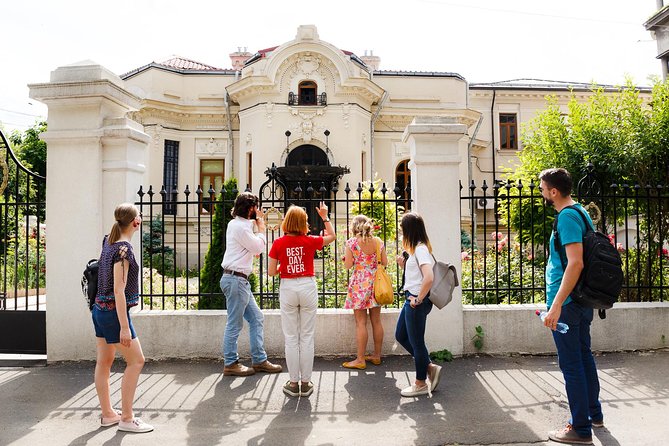
If you only do the headline sights, Bucharest can feel like a city you are rushing past. This walk slows you down. In about 2 hours 30 minutes, you get a focused sense of how the capital became what it is today: shaped by outside influences, built by many communities, and repeatedly reshuffled by history.
The price, $46.86 per person, is actually reasonable for what you get. You’re not just buying a route, you’re buying interpretation: a local guide translating architecture and neighborhood change into a story you can follow on foot. You also get snacks, plus the tour highlights mention refreshments in summer gardens and historic tea houses. That matters because it keeps the walking day from turning into a hunger-and-headache marathon.
The other fit note is language and format. This experience is offered in English, uses a mobile ticket, and runs as a small group (max 12). If you like guided walks that feel intimate rather than assembly-line, this is the kind of tour you will enjoy.
More Bucharest options to weigh up
- Bucharest: Dracula’s Castle, Peles Castle, & Brasov Old Town
★ 4.5 · 17,858 reviews - Bucharest: Dracula Castle, Peles Castle & Brasov Old Town
★ 4.6 · 10,891 reviews - Bucharest: Dracula’s Castle, Peleș Castle & Brașov Day Trip
★ 4.4 · 6,100 reviews
Starting at Teatrul Național Ion Luca Caragiale: Big-City Glam Meets Local Story
You begin at the National Theatre Ion Luca Caragiale, on Bulevardul Nicolae Bălcescu 2. It sounds like a normal landmark start, but it works. The theatre gives you a quick “architecture primer” for Bucharest before you step into the quieter streets where history becomes visible in the buildings themselves.
This stop is about more than the façade. It sets up the tour’s main theme: Bucharest’s complicated relationship with the Ottoman world. The city was not an Ottoman town, yet it shared features that came from the broader region’s influence. The guide frames that idea early, so when you later hear about neighborhood quarters and cultural mixing, it clicks instead of sounding like a random history lecture.
Practical plus: the listed entry for this theatre stop is free. That makes it easy to enjoy the stop without worrying about ticket lines or extra costs.
If you’re the type who likes details, this is a good opener. One of the most consistent themes from guide-led experiences in this style is that you start seeing “why this looks like that” in a way you can’t on your own. Even if you’re not an architecture buff, you’ll catch the logic fast.
Strada Bătiștei and the Mahallas: The Neighborhood System That Explains Everything
After the theatre, the walk moves into Strada Bătiștei. This is where the tour stops feeling like sightseeing and starts feeling like understanding the city.
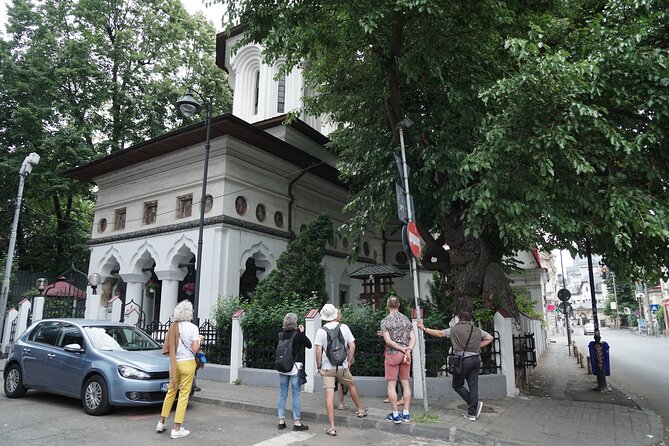
Here’s the key idea you’ll learn: mahallas were small quarters that formed around religious life. Over time, those quarters often became fairly homogeneous, meaning people shared common ethnic, social, or religious ties. As Bucharest grew, those quarters didn’t stay neat and separate forever. They fused into wider neighborhoods, and those neighborhoods then lived through modernization, earthquakes, wars, and later the heavy-handed demolition projects under Ceaușescu.
That history is why the architecture looks the way it does. You’ll see mixed styles and feel the echoes of different communities that once lived together in the same general city area. The tour connects that to names and identities you can recognize today, including the Armenian Quarter, Mantuleasa, and parts associated with the Old Jewish Quarter.
One reason I like this stop is that it gives you a lens for the rest of your day. After you understand mahallas, you start noticing patterns without being told. Street layout matters. Building scale matters. Even what feels like “leftover space” begins to make sense.
Possible drawback to consider: this part of Bucharest is quieter and less instantly dramatic than the big avenues. If you expect constant wow-factor sights every few minutes, you may need to lean into the guide’s storytelling. The payoff is that the city ends up making more sense, not less.
Parcul Ion Voicu: Belle Époque Mansions and the Survival Story
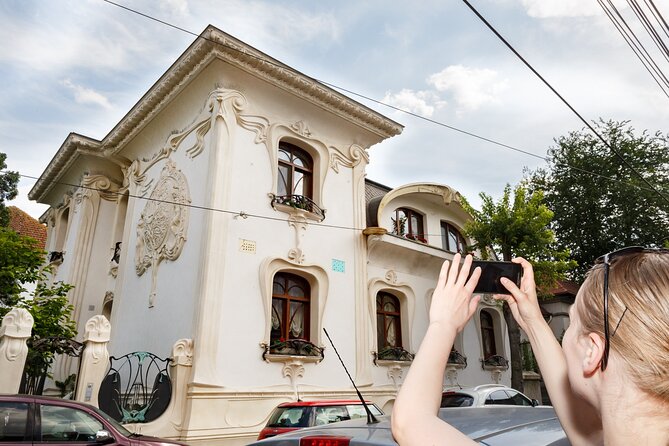
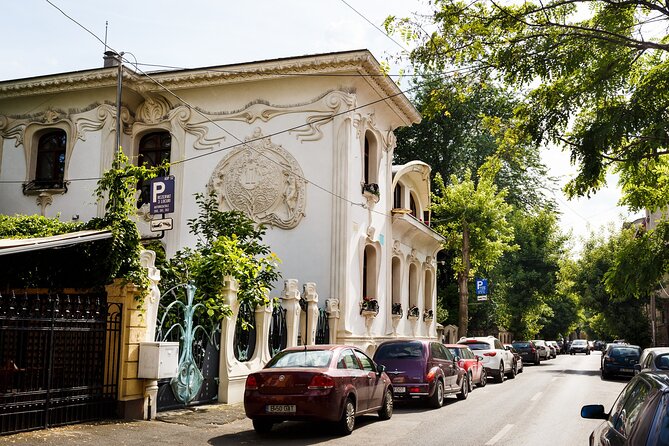
Next up is Parcul Ion Voicu, a park area known for Belle Époque mansions dating back to the end of the 19th century. This stop is your visual reward, because the tour’s history theme turns into real scenery.
What makes this place useful for your understanding is contrast. Earlier, you’re learning about community quarters and the way history fractures and reforms neighborhoods. In the park area, you can see the “before” in mansion scale and design language. Then you can also see how time treated those buildings, whether through neglect, renovation, or just the slow wear you notice when you stand close enough.
The tour guidance here is practical. You learn what to look for, not just what you’re looking at. That is how you walk away with something you can reuse: next time you pass a similar building, you’ll know what influence it might be echoing and what historical pressures could have shaped it.
Also, it’s a good moment to slow down for photos. Even if you’re traveling fast, this park stop is the kind of pause that helps you process what you just learned about Bucharest’s layers.
One more small value point: the listed entry for this stop is also free, so you’re not paying extra to enjoy the site.
Same base, a completely different day:
- Bucharest: Palace of Parliament Tickets and Guide
★ 4.3 · 3,182 reviews - Bucharest: Day Trip to Dracula Castle, Peles Castle & Brașov
★ 4.4 · 3,049 reviews - Bucharest to Dracula Castle, Peles Castle and Brasov Guided Tour
★ 4.5 · 2,933 reviews - Bucharest: Palace of Parliament Tickets and Guided Tour
★ 4.4 · 1,877 reviews
Walking Practicalities: How the Day Feels on Your Feet
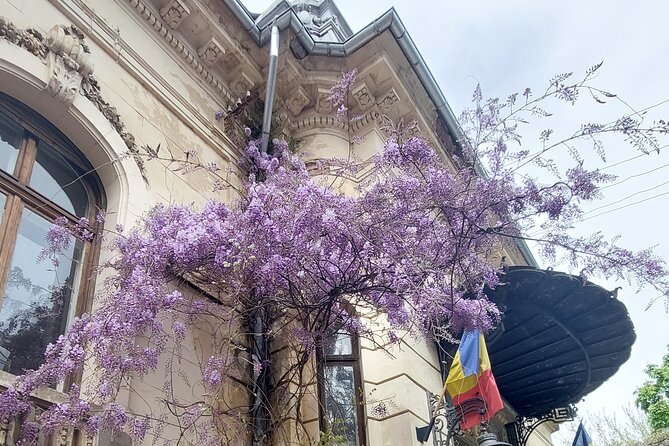
This is a walking tour, around 2 hours 30 minutes. The route is designed for people with moderate physical fitness and it’s near public transportation. In real life, that means you can usually step off or regroup without turning it into a full-city obstacle course.
The max group size is 12 travelers, which changes the experience. With smaller groups, your guide can pause more often for questions, point out details without rushing, and adapt the pacing if someone needs a breather.
From guide-driven anecdotes you might hear on this type of tour, there is also a pattern of flexibility. On hot days, guides tend to keep comfort in mind, and in at least one case a guide arranged a car for part of the route when a guest could not walk the last stretch. You should not count on that kind of help as a guarantee, but it does tell you these guides take care of the group experience.
What I would plan for:
- Wear comfortable shoes, because the charm is in the streets, not in a single indoor museum.
- Bring water on summer days, even if snacks and refreshment breaks are part of the experience.
- Charge your phone before you start. You’ll likely want photos when you notice the architecture details the guide is calling out.
Snacks, Tea Gardens, and What You Should Eat Before and After
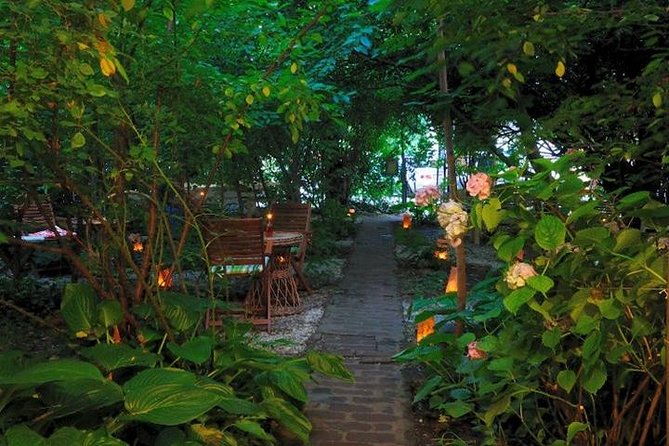
The tour includes snacks and a local guide. The highlights also mention refreshments in summer gardens and historic tea houses. Food beyond that is not included unless the tour specifies it on your departure.
Alcoholic drinks are not included, though they can be purchased. So think of the refreshment parts as part snack stop, part atmosphere break, not a full meal.
For a smoother day, I recommend eating a solid breakfast or brunch before you meet. Starting at 10:00 am means you can easily feel hungry if your breakfast was light. With snacks included, you’ll be fine for the tour itself, but you do not want to arrive starving.
End point tip: the tour ends at KFC on Bulevardul General Gheorghe Magheru 28-30. It is a practical landmark if you want a quick post-walk meal or an easy ride later. But you can also use the moment to switch from guided history mode to wandering mode, armed with a better sense of where the city’s stories live.
Value Check: Is $46.86 Money Well Spent?
Let’s talk value like a practical budget traveler.
You pay $46.86 for roughly 2.5 hours. That might feel low or high depending on what you compare it to, but here’s what you are really paying for:
- A local guide who can explain why neighborhoods changed, not just what they are called.
- Small-group size (max 12), which makes it easier to ask questions and actually see details.
- Snacks included.
- Free admission at the listed stops, including the National Theatre Ion Luca Caragiale and the other specific sites on the route.
For me, this is the kind of tour that pays off because it changes how you see the rest of the city. After you understand mahallas and see Belle Époque streets with the “why” attached, Bucharest stops being a list of sights and starts being a story you can walk through.
The one value risk is expectations. If you want a museum-style tour with guaranteed indoor time and fixed ticketed attractions, this may feel more like a neighborhood walk with interpretation. Still, that’s exactly the point: Bucharest hides its best scenes in plain sight, just off the main flow.
Who Should Book This Hidden Bucharest Walk?
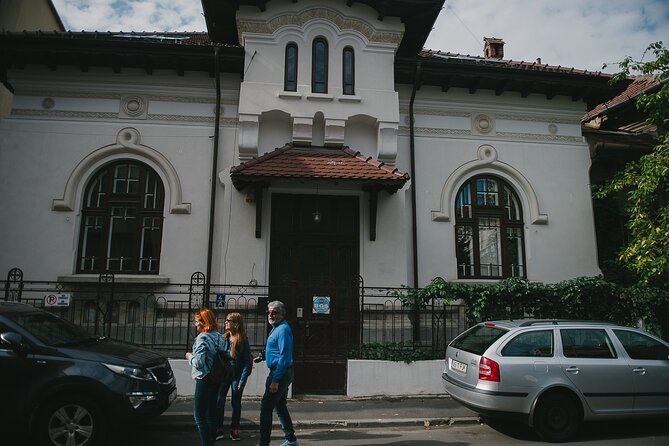
This tour fits best if you:
- Like walking tours that explain how a place works, not just what it looks like.
- Enjoy architecture, street-level history, and cultural layers.
- Want to get beyond the big avenues and see how daily neighborhood life evolved.
It may be less ideal if you:
- Get impatient with context and prefer strictly visual stops.
- Have trouble with walking for close to three hours at a moderate pace.
Language is English, group size stays small, and the guide focus is storytelling tied to real buildings and streets. If you are a first-timer in Bucharest and want a grounded introduction that you can build on later, this is a strong way to spend your morning.
Book It or Skip It? My Decision Checklist
I’d book this tour if you want Bucharest to make sense quickly. It’s a compact way to learn the neighborhood logic, see architecture influences side by side, and understand why parts of the city look preserved, broken, or in transition.
I’d think twice if you hate walking days, want guaranteed meal inclusions, or need constant spectacle. Still, if you can handle a moderate amount of walking and you like learning as you go, this experience is a smart use of time.
If you do book, do this right: show up early enough to start fresh, wear shoes you trust, and go with a “slow down and notice” mindset. Bucharest rewards that.
FAQ
How long is the Unique Tour of Hidden Bucharest?
It runs for about 2 hours 30 minutes.
How much does the tour cost, and what is included?
The price is $46.86 per person. The tour includes snacks and a local guide.
How many people are in the group, and is it in English?
The group size is capped at a maximum of 12 travelers. The tour is offered in English.
Where do I meet the guide, and where does the tour end?
You start at Ion Luca Caragiale National Theatre, Bulevardul Nicolae Bălcescu 2, București 010051. The tour ends at KFC, Bulevardul General Gheorghe Magheru 28-30, București 010336.
Are entrance tickets included for the stops?
For the listed stops, the admission tickets are shown as free.
What about food and drinks?
Snacks are included. Food and non-alcoholic drinks are not included unless specified, and alcoholic drinks are not included (but available to purchase).
What is the cancellation policy?
You can cancel for a full refund up to 24 hours before the experience starts. If you cancel less than 24 hours in advance, the amount paid will not be refunded.
Latest reviews from around Bucharest
- LiBEARty Brown Bear Sanctuary and the most important castles from Romania★ 5.0 · 4 reviews
- Hike Bulgaria Love Swing, Veliko Tarnovo and Tarevet Fortress★ 5.0 · 4 reviews
- Bucharest Private Tour with Dracula’s Grave and Ceaușescu Mansion★ 5.0 · 4 reviews
- Hiking in Bucegi Mountains in the Carpathians, Private tour★ 5.0 · 4 reviews
- Dracula Experience In Transylvania★ 5.0 · 4 reviews
- Bison Sanctuary, Vlad the Impaler Princely Court & Dracula Grave★ 5.0 · 4 reviews
- Private 6-Day Dracula Tour in Transylvania from Bucharest★ 5.0 · 4 reviews
- Bucharest Sightseeing – Half-Day Private Tour★ 5.0 · 4 reviews
Tours, compared.
Bucharest to Dracula Castle, Peles Castle and Brasov Guided Tour
Read our review →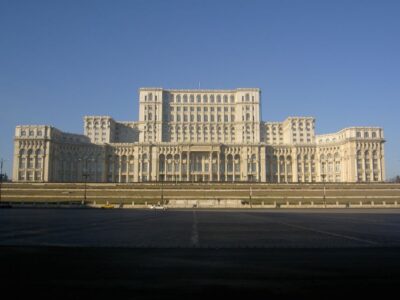
Bucharest: Palace of Parliament Tickets and Guided Tour
Read our review →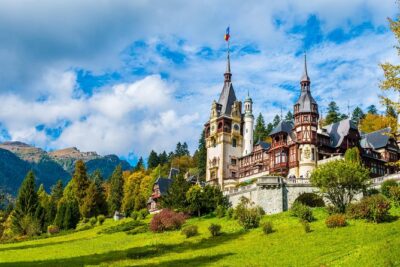
Transylvania and Dracula Castle Full Day Tour from Bucharest
Read our review →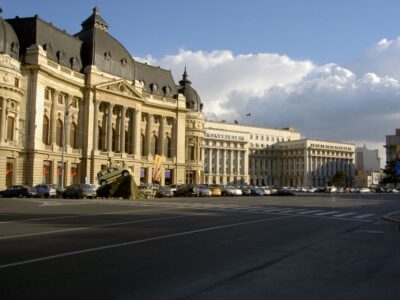
Bucharest: City Highlights Guided Walking Tour
Read our review →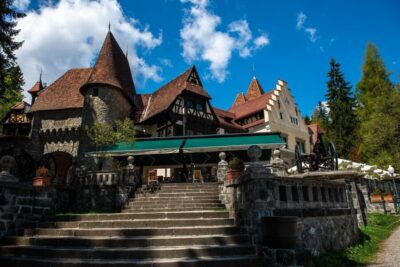
From Bucharest: Brasov Peles & Dracula’s Castle Day Tour
Read our review →
Bucharest: Peles Castle, Bran Castle, & Brasov Old Town Tour
Read our review →
From Brasov: Small-group tour Bran, Rasnov, and Peles Castles
Read our review →