Reviewed · TOURS
11-Day Romania Tour from Bucharest with Transylvania & Bucovina
This private 11-day Romania trip is interesting because it links Bucharest, Transylvania, Bucovina, and Maramures into one logical route. You see famous landmarks, yes, but you also get the sense of how the regions differ, in religion, architecture, and everyday rural life.
I love the way UNESCO World Heritage stops are woven through your days, from fortified Saxon church ensembles to painted monasteries and wooden churches. I also like the human side of the trip, since guides such as Chris, Christian, and Gabriel are repeatedly praised for being personable, considerate, and good at keeping the pace organized.
The main drawback to consider is practical: some of the biggest sights have tickets not included, and the itinerary involves lots of moving time. If you hate car rides or want every admission ticket bundled into one price, this may feel a bit pay-as-you-go.
Key things that make this tour work
- A guide who can connect the dots fast, with names like Chris, Christian, and Gabriel showing up in past experiences
- Ten nights plus round-trip airport transfers, so you start and end without chaos
- A UNESCO-focused route, including Biertan, Bran, Brasov, and Sibiu, plus Bucovina painted monasteries and Maramures wooden churches
- Real Romania, not just castle photos, with stops like the Mocanita steam train and pottery and egg traditions in Bucovina
- Frequent walking in historic centers, from Lipscani in Bucharest to medieval cores in Sighisoara, Cluj-Napoca, and Sibiu
- Private group logistics, with air-conditioned transport and free hotel pickup and drop-off
A private 11-day Romania arc that feels like a true route, not a checklist
This tour is built for travelers who want structure without feeling herded. It is private, so only your group travels together, and you move by comfortable air-conditioned car or van. That matters in Romania, where distances add up fast, and where scenic drives are often part of the payoff.
What I like most is the way the itinerary changes tone as you travel. Bucharest is grand and political. Transylvania shifts into medieval fortress mood. Bucovina turns into painted churches and craft traditions. Maramures then goes full wooden-church rural Romania, where the scenery and pace slow down.
You will still cover a lot of sights per day, but the day flow stays sensible. Most mornings start early enough to make the drive worth it, and afternoons are placed where they give you the best light and timing for photos.
More painted monastery trips:
- Bucovina Painted Monasteries & Transylvania Tour: 4-Day Private
★ 5.0 · 6 reviews - Transylvania & Bucovina Private Tour – 6 days
★ 5.0 · 3 reviews - Day trip from Iasi to the UNESCO Painted Monasteries in Bucovina
★ 5.0 · 26 reviews
Price and value: what you pay for around $2,367 and what you still handle
The price listed is $2,367.30 per person for an 11-day private experience in Romania. For that money, you get real “less planning, more seeing” value: licensed English-speaking guide and driver, transportation by air-conditioned vehicle, airport transfers round trip, and ten nights accommodation included.
You also get help throughout the tour, plus breakfast included for 10 days. That alone reduces daily decision fatigue when you are moving across four regions.
What is not included is the big category of daily spending: food and drinks and most admission tickets. Many stops say admission not included, including top draws like the Palace of Parliament, Peles Castle, Bran Castle, and several UNESCO church sites. If you budget for those entries up front, the total cost feels manageable. If you want one clean all-in price, this is less tidy.
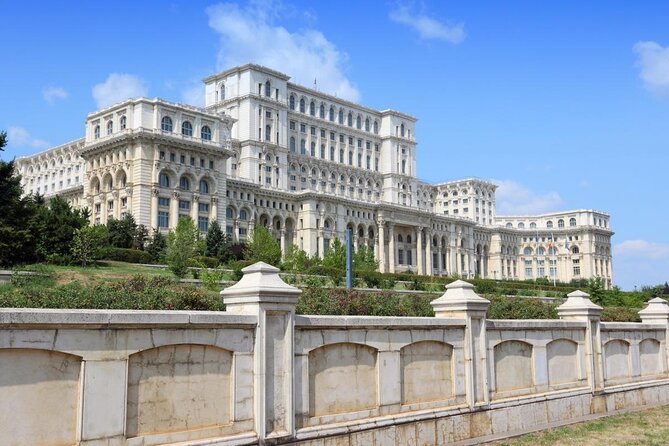
Day 1 Bucharest: Parliament Palace, Village Museum, and Lipscani
Your first day sets the contrast. You start with the Palace of Parliament, Ceausescu’s colossal building, where the sheer scale is the headline. Expect a 1 hour 30 minutes visit. Admission is not included, so plan for that as a separate cost.
Next is the Village Museum Dimitrie Gusti, an outdoor museum founded in 1936 and spread across about 30 acres, with around 50 buildings showing rural Romanian architecture. This is a great warm-up for the rest of the trip, since it previews the rural traditions you’ll see later in Bucovina and Maramures.
Then you finish with a walking tour through the Old Town, especially Lipscani, the historic center of Bucharest now being refashioned into an upscale area. It is about getting your bearings fast, not checking off every storefront.
Day 2 Sinaia to Brasov: monastery time and Peles Castle magic
Day 2 pivots from city grandeur into mountain-country beauty. You visit the Manastirea Sinaia, also called the Orthodox Monastery of Sinaia. It is a shorter stop, about 20 minutes, but it helps you understand the religious architectural thread running through the whole trip.
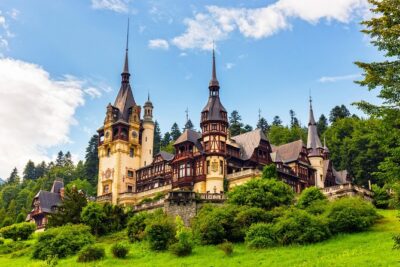
Then comes Peles Castle in Sinaia, often described as one of the most beautiful castles in Europe. The visit is about 1 hour 30 minutes, and it is again admission not included. If you care about German Renaissance style, this is where it becomes real.
After that, you head to Brasov for a 2 hour historical center walk. You’ll cover major landmarks like the Black Church, Citadel of Brasov, Ecaterina’s Gate, and Council Square. Admission is listed as free for this guided walking portion. Brasov is also one of the UNESCO highlights on this route, which makes the medieval feel more than just atmosphere.
More Bucharest options to weigh up
- Bucharest: Dracula’s Castle, Peles Castle, & Brasov Old Town
★ 4.5 · 17,858 reviews - Bucharest: Dracula Castle, Peles Castle & Brasov Old Town
★ 4.6 · 10,891 reviews - Bucharest: Dracula’s Castle, Peleș Castle & Brașov Day Trip
★ 4.4 · 6,100 reviews - Bucharest: Palace of Parliament Tickets and Guide
★ 4.3 · 3,182 reviews
Day 3 Bran and Rasnov: Dracula legend, with fortress viewpoints
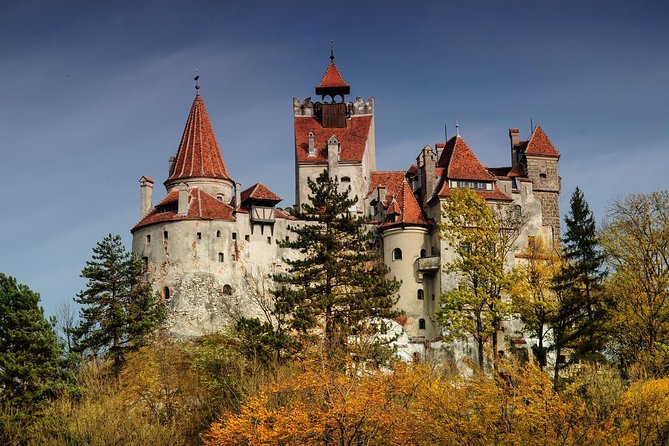
You start Day 3 with Bran Castle, commonly linked with Dracula legends and tied to the life of Vlad Tepes. It is a 2 hour stop, and admission is not included. Here is the practical angle: even if you know the story, this visit is also about medieval defensive architecture and the experience of how the site sits in the landscape.
Next you go to Rasnov Citadel for about 1 hour. Rasnov was founded around 1225 by Teutonic Knights, and the citadel was built to protect the town and surrounding villages during invasions. If you like panoramic views, this is the time for them.
Bran and Rasnov together work well because one is more “famous story site,” while the other is more “how people survived in medieval times.” They complement each other instead of competing.
Day 4 Biertan and Sighisoara: fortified churches and Saxon street life
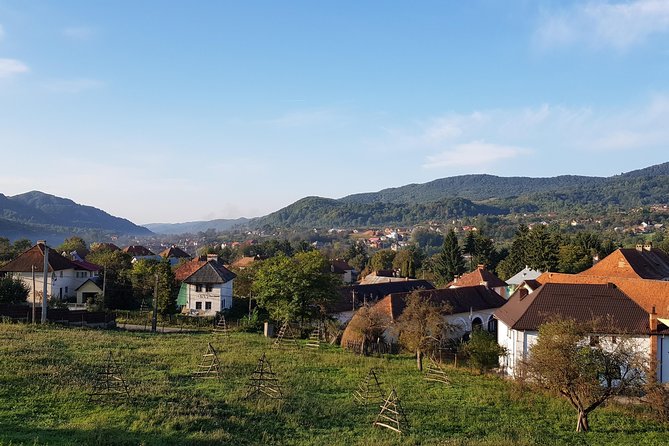
Day 4 is a strong UNESCO day. You start with the Biertan Fortified Church, an architectonic ensemble included on the UNESCO list. The important detail is that the original substance has been preserved since the late 15th and early 16th centuries. You also get time to stroll the village after, which helps this stop feel lived-in rather than museum-like.
Then you head to Sighisoara for about 2 hours. This is a small fortified medieval town with Saxon heritage, and the guided highlights include the Clock Tower and History Museum, the Church on the Hill, and the Central Square. There is also House of Dracula on the tour highlights, which fits naturally with the Transylvania theme without taking over the day.
What you’ll enjoy most here is the medieval street rhythm. It is the kind of place where you start noticing details, like how the buildings face inward, toward defense and community life.
Day 5 Bicaz Gorges to Voronet: a dramatic drive plus Voronet blue
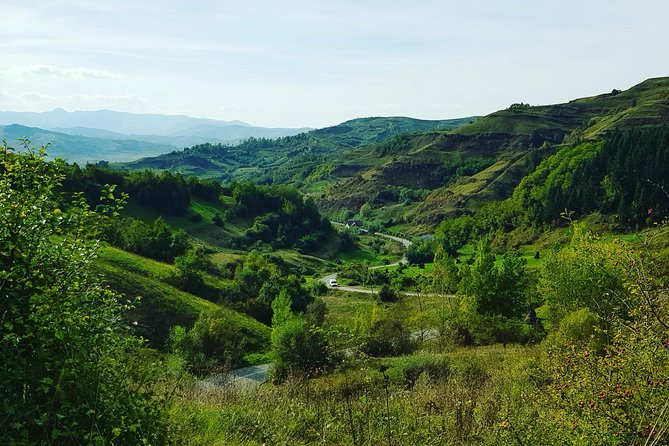
Day 5 includes one of Romania’s star driving moments. You cross from Transylvania to Bucovina through Bicaz Gorge and Hasmas Mountain National Park. You get a short, intentional photo stop of about 15 minutes. It’s not long, but it is placed so you can actually enjoy the viewpoint before you move on.
Next is Red Lake, near Hasmasu Mare Mountains, for about 1 hour. This lake is described as dark and threatening, with stumps rising from the water and a story behind its reddish color tied to iron oxides and iron hydroxides. After lunch by the lake, you can take a short walk. Admission is listed as free for the stop, but meals are on you since food and drinks are not included.
In the afternoon, you go to Manastirea Voronet, the “Sistine Chapel of the East.” It is about 40 minutes, and admission is not included. This UNESCO painted monastery is famous for its Last Judgment fresco, plus the blue pigment called Voronet blue, which is noted as never fading.
If you only remember one day’s color from this trip, make it this one.
Day 6 Painted monasteries in Bucovina plus Marginea pottery and the Egg Museum
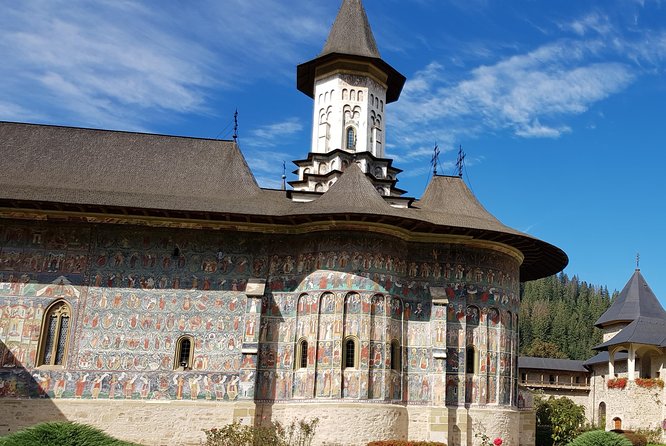
Day 6 is where Bucovina turns into full-on artistic tradition. You start with Humor Monastery for about 30 minutes, then Sucevita Monastery for another 30 minutes. Both are painted monasteries and both are listed as UNESCO sites.
After that comes Ceramica neagra Marginea, a pottery stop in Marginea and a regional craft tradition known for black pottery. This is a 30 minute stop, and admission is listed as free. If you want a souvenir that is actually tied to local hands-on work, this is the kind of place that makes sense.
Then you visit Moldovita Monastery for about 30 minutes, also listed as a UNESCO site. The order keeps you in the same visual language, so the fresco details do not blur into one big “church day.”
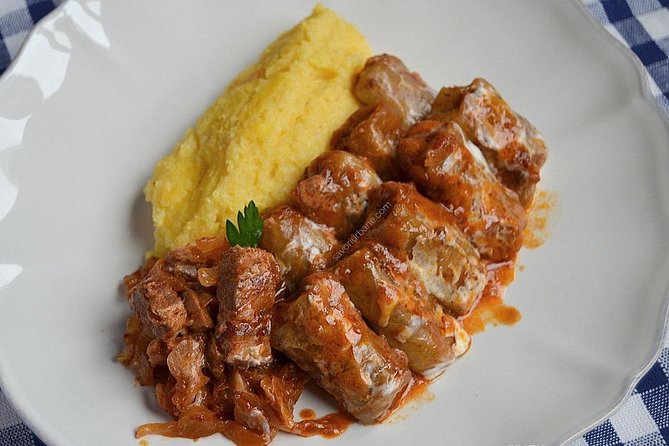
To finish, you go to Letitia Orsivschi’s Egg Museum for about 40 minutes. It includes a large collection of painted eggs and notes symbolism and meanings through the museum’s workshop explanation. Admission is not included, but if you like cultural crafts, it is a memorable, different add-on rather than another photo stop.
Day 7 Maramures wooden churches: rural pride and UNESCO spots
On Day 7 you travel toward Maramures, described as the heart and soul of rural Romania. The stop titled “Wooden Churches of Maramures” is about 2 hours, and it is built around the region’s rural past and medieval peasant culture. Admission is listed as not included.
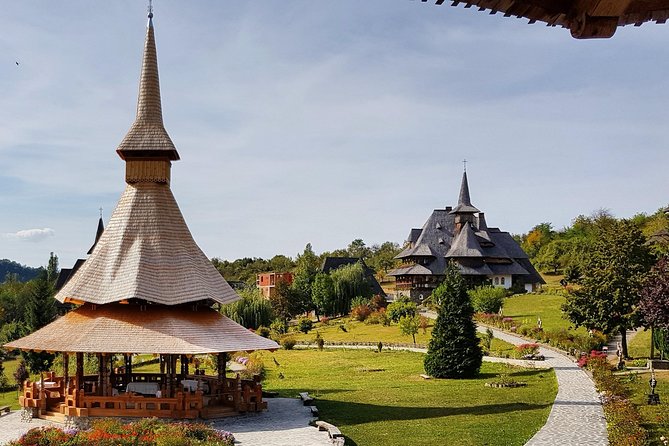
Then you visit Barsana Monastery for about 40 minutes, including its two level wooden church. Admission is listed as free for this stop.
You also visit Rozavlea Wooden Church, listed as a UNESCO site for about 30 minutes, plus Ieud, another UNESCO wooden church stop for about 30 minutes. Admission varies by stop as listed, so plan to check the ticket status on the day.
This is a slower-feeling day, and it is one of the best times for photographers who like structure and handmade details. It also helps the entire trip make sense, because the “wood tradition” connects back to your earlier Village Museum introduction and then forward to the steam train experience coming next.
Day 8 Mocanita steam train, Merry Cemetery, and Sapanta-Peri
Day 8 gives you three experiences that do not feel interchangeable with the rest of the trip. First is the Mocănița Maramureș steam train ride, about 3 hours. It runs from Viseu de Sus along a narrow-gauge route behind an old steam engine. The tour notes stops where you can see workers load firewood and take water from streams, plus the idea that the whistle and brakemen calls can lead to passenger pickup or drop-off along the way. Admission is listed as not included.
Then you go to Merry Cemetery in Sapanta, about 40 minutes. This cemetery is known for carved blue wooden crosses with humorous verses about the people beneath. Even without language, you get the tone from the carvings, and the tour highlights note that sculptor Stan Ion Patras began carving these epitaphs in 1935.
Finally, you visit Sapanta-Peri Monastery for about 30 minutes. It features one of the tallest wooden churches in the world and is included in the UNESCO Patrimony, per the tour notes. Admission is listed as free.
If you like stories that go beyond big monuments, this day lands well. It is fun, human, and very different from castles and palace interiors.
Day 9 Cluj-Napoca and Sibiu: gothic churches and half-timber street charm
On Day 9 you return to Transylvania’s urban side with Cluj-Napoca and Sibiu. Cluj-Napoca is about 1 hour 30 minutes, featuring a city tour with highlights like Union Square, St. Michael’s Church (a top gothic example in Romania), and the Opera House and historical center areas.
Admission is listed as free for the guided walking city tour itself.
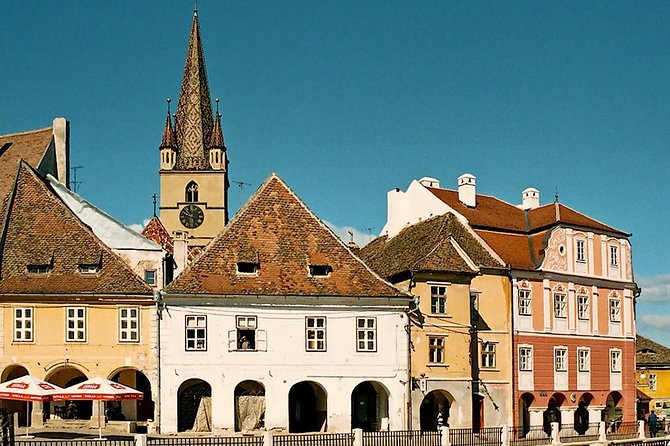
Then you go to Sibiu, another highlight with a distinctly Germanic feel. You’ll walk through the old town squares and streets, with tour highlights including the Bridge of Lies, the Great Square, Little Square, the Evangelical Church, and Holy Trinity Cathedral. You also get time focused on points like the Stairs Passage and a chance to browse.
Sibiu is also explicitly part of the UNESCO highlights on this route. So yes, it is pretty, but you’re also getting a guided read on why these places look and function the way they do, tied to guild life and medieval trade patterns.
Day 10 Curtea de Arges: Wallachia’s “court” and Olari’s painted church
Day 10 moves you into Wallachia with Curtea de Arges, a city on the Arges River that once served as a capital of Wallachia. You get a 2 hour walking tour with stops including the Princely Church and Old Court ruins, the Episcopal Church, and the Olari Church.
What makes Olari stand out here is that it is a painted church from Moldavia found on Wallachian grounds. That cross-region mix is exactly what I like about Romania. You see how styles travel, not just how borders divide.
Admission is listed as free for the walking tour portion, so your major costs on this day should be more about what you choose to do off the clock.
Day 11 Otopeni: airport transfer and last-day reality check
Your final day is straightforward and designed to reduce stress. You get hotel lobby pickup and a transfer to Bucharest Airport via Otopeni, listed as about 30 minutes. Admission is listed as free for the transfer.
By now, you will have seen palace interiors, castle exteriors, fortified churches, painted monasteries, and wooden rural architecture. The final transfer is a gentle closer. It also means you do not end the trip hunting down your own transport at the worst time of day.
Who should book this tour, and who should skip it
Book this tour if you want a private guide and a route that covers the big cultural regions in Romania without you managing every turn. It is especially good for first-timers who want UNESCO highlights like Biertan, Bran, Brasov, and Sibiu, plus the Bucovina painted monastery circuit and Maramures wooden-church stops.
It is also a strong fit if you like narrative travel. The guides on this route, including Chris, Christian, and Gabriel in past experiences, are described as organized and helpful, so the history and culture land in a way that feels practical, not like a lecture.
Skip it if you strongly prefer independent travel with minimal ticketing costs, or if you dislike car travel. This itinerary packs in many stops, and many admissions are not included.
FAQ
Is this a private tour?
Yes. This is listed as a private tour/activity, meaning only your group participates.
What time does the tour start?
Start time is 9:00 am.
Is airport transfer included?
Yes. Round-trip airport transfers are included, and on the last day you get pickup from your hotel lobby to Bucharest Airport (Otopeni).
Are hotel pickups and drop-offs included?
Yes. Free hotel pickup and drop-off are included.
Are entrance tickets included for major attractions?
Many are not included. The Palace of Parliament, Peles Castle, Bran Castle, and several monasteries are marked as admission ticket not included, so you should expect to pay some entry fees during the tour.
How many breakfasts are included?
Breakfast is included for 10 days.
What kind of transportation do you use?
You travel by comfortable air-conditioned car or van with an English-speaking licensed guide and driver.
How long is the tour?
It is an 11-day tour, approximately.
Can I cancel and get a full refund?
Yes. You can cancel up to 3 days in advance of the experience for a full refund, and the cut-off is based on local time.
Do I need a passport?
Yes. A current valid passport is required on the day of travel.
Latest reviews from around Bucharest
- LiBEARty Brown Bear Sanctuary and the most important castles from Romania★ 5.0 · 4 reviews
- Hike Bulgaria Love Swing, Veliko Tarnovo and Tarevet Fortress★ 5.0 · 4 reviews
- Bucharest Private Tour with Dracula’s Grave and Ceaușescu Mansion★ 5.0 · 4 reviews
- Hiking in Bucegi Mountains in the Carpathians, Private tour★ 5.0 · 4 reviews
- Dracula Experience In Transylvania★ 5.0 · 4 reviews
- Bison Sanctuary, Vlad the Impaler Princely Court & Dracula Grave★ 5.0 · 4 reviews
- Private 6-Day Dracula Tour in Transylvania from Bucharest★ 5.0 · 4 reviews
- Bucharest Sightseeing – Half-Day Private Tour★ 5.0 · 4 reviews
Tours, compared.
Bucharest to Dracula Castle, Peles Castle and Brasov Guided Tour
Read our review →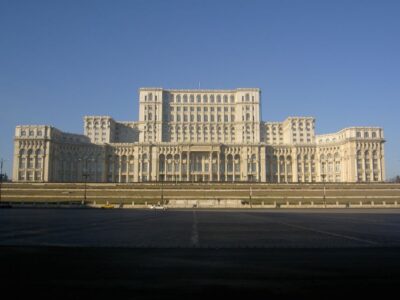
Bucharest: Palace of Parliament Tickets and Guided Tour
Read our review →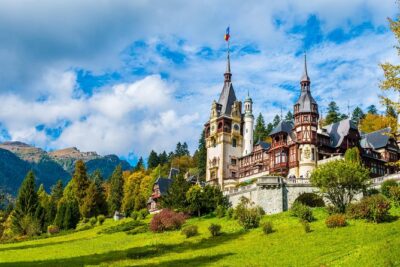
Transylvania and Dracula Castle Full Day Tour from Bucharest
Read our review →
Bucharest: City Highlights Guided Walking Tour
Read our review →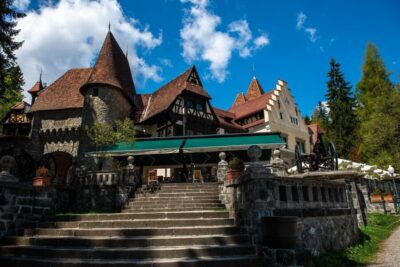
From Bucharest: Brasov Peles & Dracula’s Castle Day Tour
Read our review →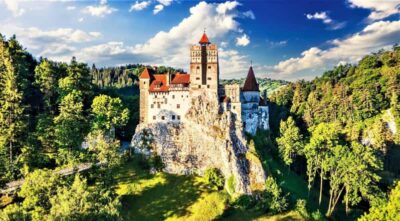
Bucharest: Peles Castle, Bran Castle, & Brasov Old Town Tour
Read our review →
From Brasov: Small-group tour Bran, Rasnov, and Peles Castles
Read our review →