
Reviewed · 7-DAY EXPERIENCES
7 days Private Romania Grand Tour from Bucharest
A private Romania week that connects Transylvania with the painted monasteries of Bucovina, plus Dracula country, is interesting because it moves you beyond one highlight at a time. I like that it is a true private tour with a driver-guide, so you can ask questions and set the rhythm. I also love the way the trip layers culture, from Armenian-decorated Cozia Monastery to UNESCO-listed churches. The main drawback to consider is that the days are full, so expect lots of time traveling between stops.
If you want things to run smoothly, the human factor matters. This route is led by local guides, and I’ve seen proof of that kind of care in real guide experiences tied to names like Liviu and George, where the focus stayed on making the trip feel manageable. One more practical note: the schedule includes some free-entry stops, but entrance fees are listed as not included overall, so you should budget for key paid sights plus tips.
Key things that make this tour work
- Private pacing with your own driver-guide, not a rushed group scramble
- Air-conditioned minivan for day-to-day comfort on long drives
- UNESCO-minded itinerary centered on the painted churches of Moldavia and UNESCO wooden churches
- A mix of wow stops like Turda Salt Mine, Bicaz Gorges, Bran Castle, and Peles Castle
- Hands-on culture time such as Marginea black ceramics and local village stops
- Pickup and round-trip transport from Bucharest to keep logistics simple
From Bucharest to Cozia Monastery and Sibiu’s medieval squares
Day 1 starts with a classic Romanian intro, the kind that makes you understand why people keep coming back to this region. You head out from Bucharest toward the Olt Valley to visit Cozia Monastery. This is a 14th-century Wallachian landmark tied to Mircea Il the Old, and you’ll see the Armenian decorative elements on the façade alongside richly frescoed interiors. It is a short stop by design, around 30 minutes, so you get the impact without losing the day.
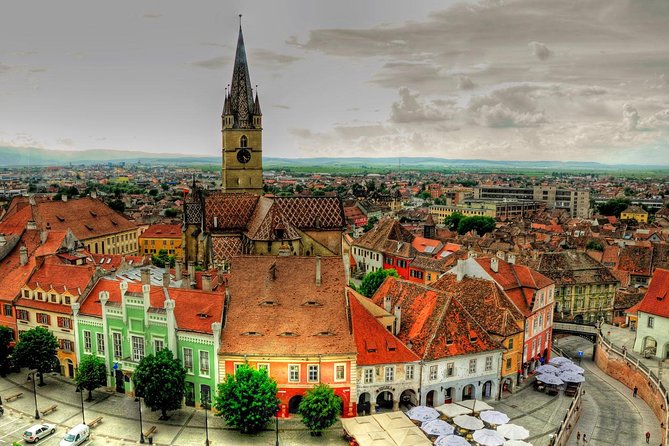
Then comes Sibiu, one of the best places in Transylvania to walk slowly. Sibiu has a medieval feel you can sense immediately in its three squares, Big Square, Small Square, and Huet Square. You’ll also spot the charming houses with the eyes, a detail that turns a simple street into a story about Saxon influence. Sibiu was European Capital of Culture in 2007, and the city’s yearly theater festival tradition shows up in how lively the cultural scene feels today. If you like religious architecture, keep an eye out for the large gothic evangelical church in Transylvania, which helps explain why so many faiths shared space here over the centuries.
Practical note: Day 1 is designed for first-day energy. If you arrive feeling jet-lagged, you can still enjoy it, but you’ll want comfortable shoes for the square-to-square walking.
More Bucharest options to weigh up
- Bucharest: Dracula’s Castle, Peles Castle, & Brasov Old Town
★ 4.5 · 17,858 reviews - Bucharest: Dracula Castle, Peles Castle & Brasov Old Town
★ 4.6 · 10,891 reviews - Bucharest: Dracula’s Castle, Peleș Castle & Brașov Day Trip
★ 4.4 · 6,100 reviews
Alba Iulia to Cluj Napoca, with Turda Salt Mine as the day’s surprise
Day 2 moves into big historical stakes and then down into something totally different. In Alba Iulia, you’re stepping into a milestone moment: Great United Romania was made there on December 1, 1918, right after the First World War. It is a short visit, about an hour, but it gives you a framework for the later stops in the north and the way borders, identities, and cultures overlap.
After that comes Turda Salt Mine, and this is one of the strongest “wow” diversions on the route. You go about 400 feet underground and then get time inside a space that feels more like an underground entertainment venue than a typical mine tour. The salt mine includes an amphitheater, a bowling alley, an underground lake where you can find paddle or row boats, and even a Ferris wheel. The contrast is the point: you’re in a vast manmade cavern, but the setting still makes you think about how people lived and worked around salt for generations.
You’ll also see Cluj Napoca next. The highlight here is St. Michael’s Church and the sculptural complex tied to King Mattia Corvino. Cluj is also tied to education, with lectures held in several languages, and it’s an important center for Hungarians. In practice, this means you’re not just visiting monuments, you’re seeing a working city that has multiple cultural threads.
Budget thought: the Turda Salt Mine stop is explicitly marked as not included. Even if other stops are free, this is one place you should plan ahead for.
Maramures wooden churches in Şurdeşti and Barsana Monastery, plus the Vadu Izei washing story
Day 3 is where the trip turns into an architectural history lesson, but in a way that still feels human. Şurdeşti Wooden Church is the first UNESCO stop. The description here is key: it was once the tallest wooden church in Europe, with a tower of 54 m and a total height of 72 m. The church is also known for its double-eaved roof and a distinctive detail with two superposed rows of arches above the porch. These are the kinds of details that make you slow down and look, not just take photos.
Then you move to Barsana Monastery. UNESCO protection for parts of the Maramures region exists specifically to safeguard this style of wooden architecture and its dramatic vernacular forms, and Barsana fits that perfectly. It’s described as a convent complex with sixteen nuns. Even if you keep your time brief, you’ll feel the difference between seeing a church as a building and seeing it as a living place.
To break up the heavy architecture theme, you stop in Vadu Izei for the Romanian valtoare, a whirlpool-like mechanism used for washing laundry. The fun detail here is how the water stream does the work by using a simple setup, captured above and guided through wooden parts into a bowl. The tour even notes a world record style claim, calling it the world’s first natural washing machine. I love this kind of stop because it turns “culture” from an abstract word into everyday life.
Timing note: this is still a long day. The stops are spread out across the northern countryside, so you’ll want to bring a light layer for van time and for church interiors.
Bucovina’s painted monasteries, the Merry Cemetery, and Marginea black ceramics
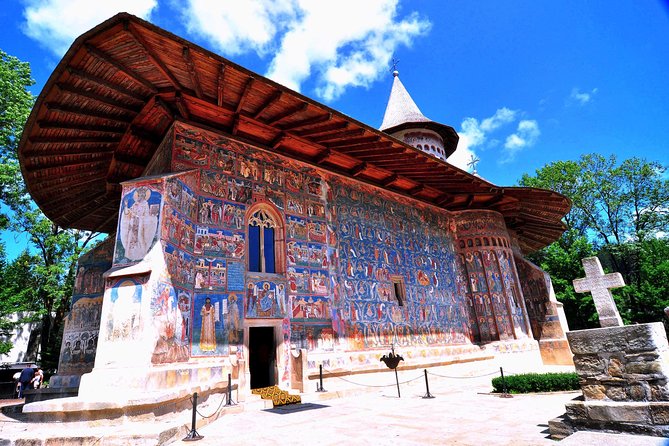
Day 4 is built around some of the region’s most recognizable visual identity: painted churches. You start at Cimitirul Vesel, the Merry Cemetery in Săpânţa. This is not subtle. Over 800 wooden crosses mark life stories, and the tour description highlights the cheery pictures and limericks that annotate the final moments. It’s one of those places where you realize grief does not always look the same in every culture.
Then you visit Moldovita Monastery and Sucevita Monastery, both famous for their frescoes. Moldovita is described as founded in the 16th century by Pietro Rares, and the interior and exterior frescoes are the main draw. Sucevita, founded by the Movila brothers in the 17th century, is the last of the painted monasteries you’ll see on this loop. It’s also described as blending Gothic and Byzantine elements into a Moldovan style, with northern façade frescoes preserved thanks to protective walls.
Between those major monuments, you get a chance to connect with crafts. Ceramica neagra Marginea is a stop focused on black ceramic. You can enter the workshop, watch working phases, and buy small items that feel tied to technique rather than just souvenirs. Even if you do not buy much, it is worth watching how the process works.
One more key stop on this day is Manastirea Voronet. It is one of the best-known Bucovina painted monasteries by reputation, and this tour includes time to visit it as part of the Moldavia churches cluster. If you like religious art, this is where the day’s theme becomes clear: these monasteries are not only places to worship, they are art that people can recognize from far away.
Practical caution: several of these monastery stops are marked as not included. Entrance budgeting here matters more than on the earlier city days.
Same base, a completely different day:
- Bucharest: Palace of Parliament Tickets and Guide
★ 4.3 · 3,182 reviews - Bucharest: Day Trip to Dracula Castle, Peles Castle & Brașov
★ 4.4 · 3,049 reviews - Bucharest to Dracula Castle, Peles Castle and Brasov Guided Tour
★ 4.5 · 2,933 reviews - Bucharest: Palace of Parliament Tickets and Guided Tour
★ 4.4 · 1,877 reviews
Piatra Neamt, Bicaz Gorges, Red Lake, and arriving in Sighisoara
Day 5 changes the tempo again. You begin with a short stop in Piatra Neamt, a ski resort area that also preserves a citadel founded during Stephen the Great’s reign in the 15th century. There’s also an 18th-century synagogue. The tour notes that the town sits amid mountains, which helps explain why the setting feels dramatic even when you only spend limited time.
Then you drive to Bicaz Gorges. The key experience here is the road cutting through sharp cliffs and the presence of a stream running alongside. The tour also mentions a market along the gorges where you can find typical handicrafts and souvenirs. This is a good moment to grab snacks and small gifts without making it a shopping day.
After the gorge, you stop at Red Lake, a natural barrier lake formed after a landslide. The description notes that tree trunks remain in the lake, which helps create the eerie, story-driven atmosphere. If you enjoy local legends, this stop is more about explanation and mood than about long walking.
You close the day arriving late evening in Sighisoara, described as Vlad Dracula’s birthplace. Even with a shorter stop, the arrival timing works because you’re ready to see the town’s fortified identity when the light is softer.
Sighisoara’s UNESCO center, Bran Castle, and Brasov’s German-style streets
Day 6 is where the trip leans hard into fortified towns and border history. You start with Centrul Istoric Sighisoara, which is a UNESCO heritage historic center. The tour highlights the Clock Tower as the symbol of the city and points out that streets and churches of different cultures feed into Sighisoara’s multicultural, multi-confessional feel. Vlad Dracula is mentioned as being born in 1431 here, which is why the castle folklore always shows up in local storytelling.
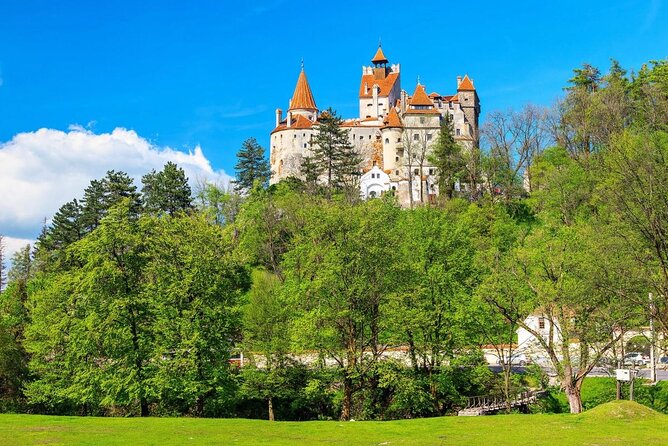
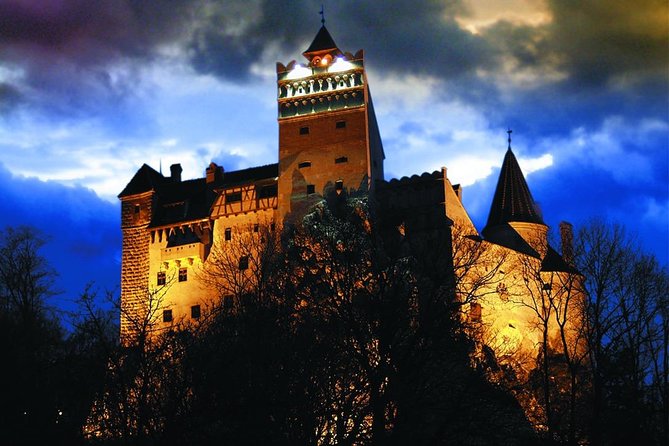
Then you continue to Bran Castle, popularly called Dracula’s Castle. The historical framing is important: Bran sits near the medieval border between Wallachia and Transylvania, and the fortification existed for defense. This means you see a castle that is not only a pop-culture destination. It is a border structure built to be useful, and the setting helps explain why people considered this territory strategic.
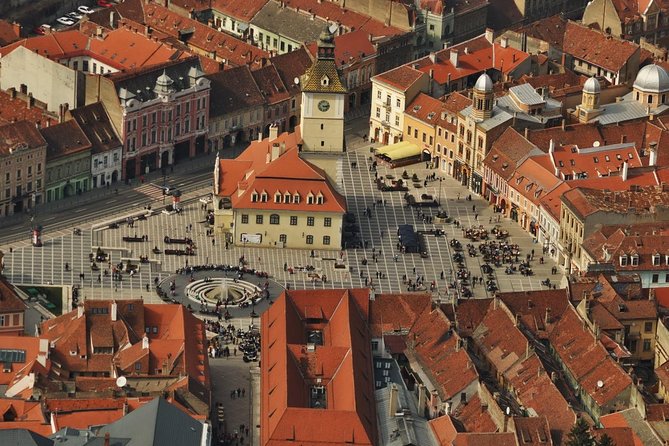
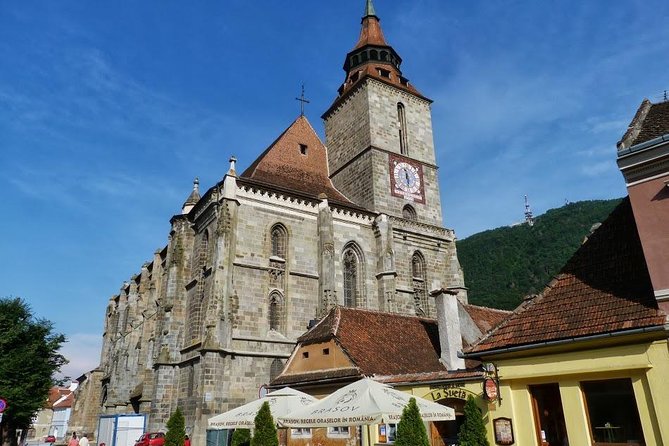
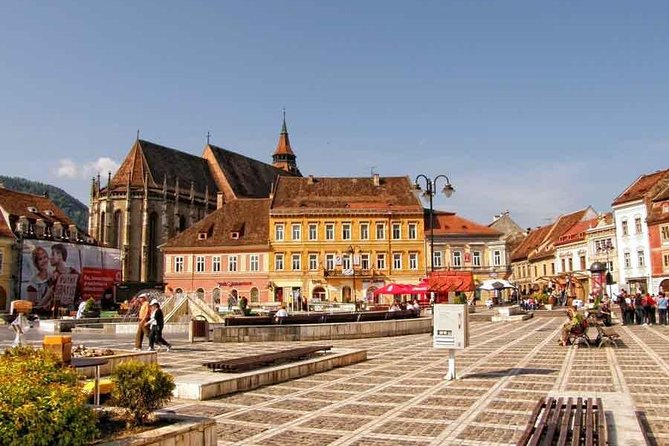
Next comes Brasov. You get a historical center visit with time for its typically German architecture, where Gothic, Baroque, and Renaissance details intersect. The tour also points to Schei district, a Romanian neighborhood, and the medieval entrances into the city through gates including Caatherine’s and Schei Gate. If you enjoy places tied to education and identity, the First Romanian School is part of the stop list. You’ll also see the Black Church, one of Brasov’s most prominent religious sites.
This is a day where the castle angle and the city angle balance each other. If you hate feeling like you are in a theme park, focus on the architecture and border context, and let that guide your attention.
Peles Castle and the Bucharest panorama to close the loop
Day 7 brings you to the finish line in stages. You start with Peles Castle, described as the fabulous summer residence of the first king of Romania, King Charles I of Hohenzollern. The tour notes the Czech architect involvement and emphasizes how modern the castle was at the time, built between the 19th and 20th centuries. One of the most useful details here is the idea that each room has a distinct style, not a copy-and-paste approach. The Florentine room stands out in the description for its Italian Renaissance atmosphere, and that type of room contrast is exactly what makes this castle tour feel worth your time.
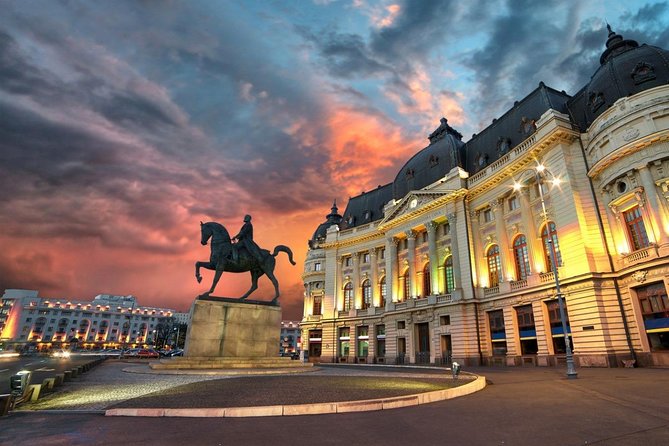
After that, you head back toward Bucharest for a panoramic tour. You’ll cover a fast overview of major landmarks, including Triumph Arch, Atheneum, Revolution Square, and Parliament Palace. It is brief, about 30 minutes, and meant to help you place the city’s landmarks in your mind as you wrap up the week.
If you’re the type who likes one last photo run, this is your chance. If you want deeper Bucharest time, you’d usually plan a separate day before or after this tour, since this route spends its main energy outside the city.
Price and value: what $1,719.59 buys you, and what you should budget
At $1,719.59 per person for roughly a week, the value comes from the combination of things that are hard to line up yourself. You get private transport in an air-conditioned minivan, round-trip logistics from Bucharest, a driver-guide, and six nights of accommodation plus six breakfasts. For many people, that is what makes the trip feel doable, even when the driving looks intense on paper.
What is not included: entrance fees. The tour is clear that entrance fees are not included overall, even if some scheduled stops are marked as free. In practice, the paid moments tend to cluster around major attractions like the Turda Salt Mine and several monasteries and castles. Also not included are tips for the guide and driver, and there is a supplement for a single room of 150 euro payable locally in cash or credit card.
So your budget should think like this: lodging, breakfast, and transport are covered, and you add an amount for entrance fees at the key sites plus tipping. If you are traveling with someone and can avoid the single supplement, the per-person feel improves.
Who this tour suits best, and who should consider another plan
This tour suits you if you want structure, a local guide, and a strong sampler of Romania’s north and center in one go. It is a good fit if you like architecture, religious art, and the stories tied to border towns. I also like it for travelers who do not want to stitch together intercity routes by yourself, especially with pickup and drop-off taken care of.
It may not suit you if you hate full days and long drives. The itinerary moves through multiple regions, so rest and flexibility matter. Also consider entrance fee budgeting, because the biggest monuments tend to be the ones that cost money.
Should you book it?
I’d book this private Romania grand tour if your goal is to see Transylvania beyond the usual list, plus the UNESCO-led churches in the north, with a guide who can explain what you are looking at. The private setup, the transport from Bucharest, and the mix of major landmarks with culture stops like Marginea black ceramics make it feel like you get more Romania per day, not fewer memories.
But if you want a slow travel style or you have a tight budget for entrance fees, plan carefully before committing. And yes, the experience depends on good weather, which matters for drives in mountainous areas.
If this sounds like your kind of week, go for it. Just bring good walking shoes, some cash for local payments where needed, and an open mind for churches, castles, and the kind of small details that turn a photo stop into a real moment.
FAQ
How long is the private Romania Grand Tour, and when does it start?
The tour is about 7 days and starts at 9:00 am.
Is pickup from Bucharest included?
Yes. Hotel pickup and drop-off are included, and transport is arranged from Bucharest for a round-trip journey.
Is this tour private or shared?
This is a private tour. Only your group participates.
What is included in the price?
Included are 6 nights accommodation, a driver-guide, hotel pickup and drop-off, private tour transport in a vehicle, and breakfast for 6 days.
Are entrance fees included?
Entrance fees are not included, even though some stops are listed as free admission.
Is there a charge for booking a single room?
Yes. A single room supplement of 150 euro is payable locally in cash or by credit card.
Does the tour require good weather?
Yes. The experience requires good weather, and if it is canceled due to poor weather you will be offered a different date or a full refund.
What if the minimum number of travelers is not met?
If the minimum number of travelers is not met, the experience may be canceled, and you will be offered a different date or a full refund.
Latest reviews from around Bucharest
- ATV Adrenaline Race in Carpathian – Private Tour★ 5.0 · 4 reviews
- Private Tour of Jewish Bucharest★ 5.0 · 4 reviews
- In Search of Dracula and the Teutons in Transylvania Full-Day Private Tour★ 5.0 · 4 reviews
- Bulgaria One Day Private Tour from Bucharest★ 5.0 · 4 reviews
- Discover Medieval Transylvania Small Group Tour – 7 days★ 5.0 · 4 reviews
- Bulgaria Day Trip – Private Tour from Bucharest – Veliko Tarnavo & Arbanasi★ 5.0 · 4 reviews
- Private tour: Medieval cities of Transylvania, 2 Days from Bucharest★ 5.0 · 4 reviews
- Black See, Constanta and Mamaia Beach – Day Trip from Bucharest★ 5.0 · 4 reviews
7-Day Experiences, compared.
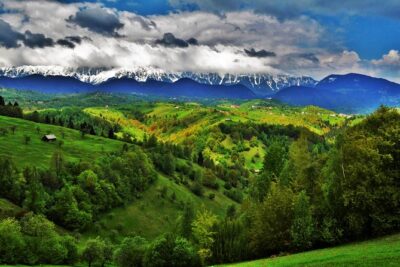
7-Day Private Tour of Transylvania from Bucharest
Read our review →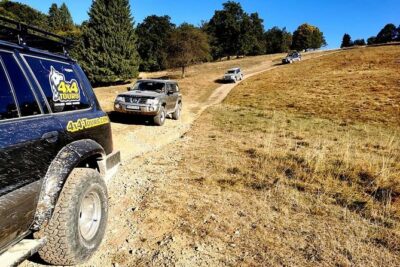
4×4 Driving Experience at Flying Altitudes – 7 Days
Read our review →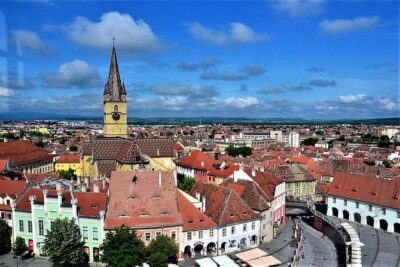
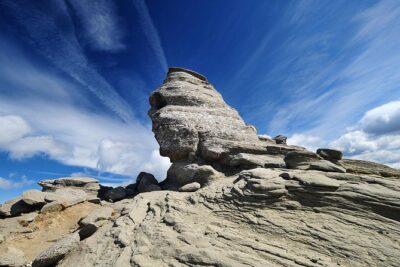
Amazing Romania – Seven day private tour from Bucharest
Read our review →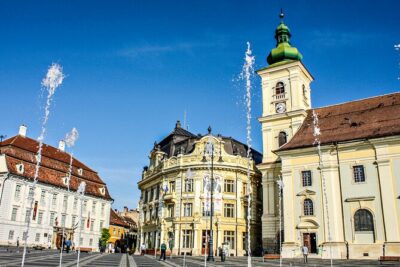
Discover Medieval Transylvania Small Group Tour – 7 days
Read our review →
7 Days Private Guided Tour in Romania from Bucharest
Read our review →
7-Day Dracula Tour in Romania from Bucharest including ‘The Ritual of Killing of a Living Dead’
Read our review →Browse the lists this tour appears in