
Reviewed · HISTORICAL TOURS
Bucharest: 3-Hour Dark History Tour with a Local
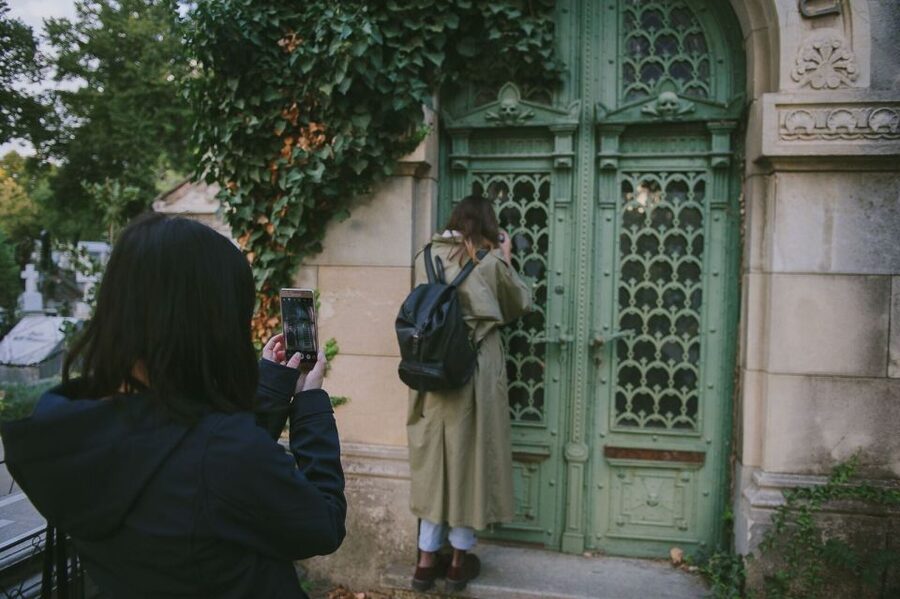
What makes this experience interesting is that it takes Bucharest you can see every day, then turns the volume up on what happened there. You start with a cemetery corridor loaded with 19th and 20th century stories, then keep walking into the city’s Revolution-era scars.
I like the way the tour connects places to the people who lived through them, not just dates on a timeline. Two things I especially enjoy are the stop at Bellu Cemetery and the history explained around University Square and Revolution Square.
One possible drawback to consider: this is a long-walking, dark-topic route. If cold weather and lots of street time sounds like your worst afternoon, you’ll want to plan for warmth and comfortable shoes.
Key things to know before you go
- Small group size (max 12) keeps the pace human and the questions practical
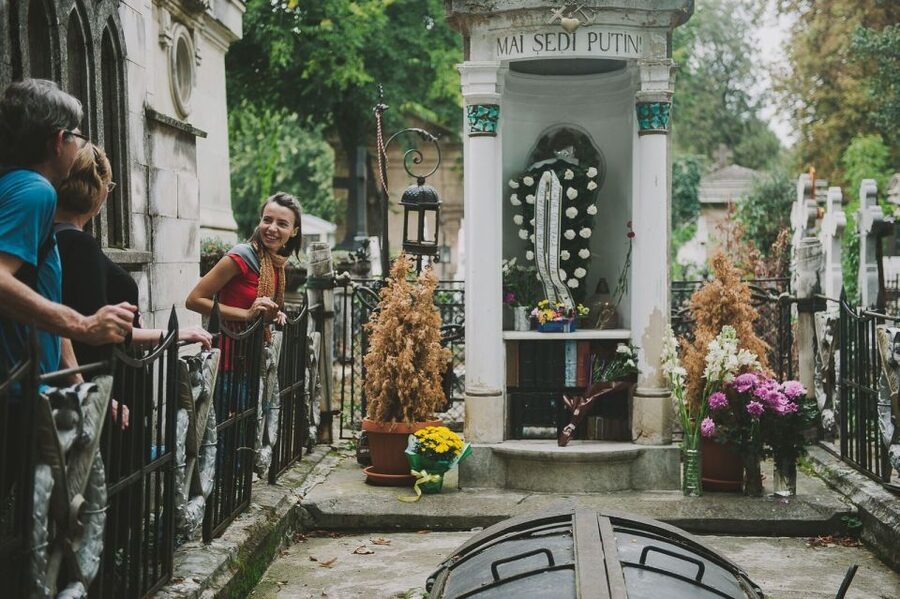
- Bellu Cemetery is treated as both a national monument and a storybook of loss, love, and mystery
- University Square ties directly to 1989 and the student protests in the 1990s
- Interwar Bucharest gets explained through “Little Paris” and the sex trade culture of the time
- The serial killer story of the Vampire of Bucharest adds a chilling thread to the walk
- Metro tickets and a traditional street snack are included, so you are not guessing logistics
Meeting At Ion Luca Caragiale National Theatre: Your starting line
You begin at the main entrance of Ion Luca Caragiale National Theatre, Bulevardul Nicolae Bălcescu 2. That’s a smart choice because it puts you near central Bucharest, where you can reach the main sights without spending the whole afternoon crossing the city.
This tour runs for about 3 hours. It moves on foot, with metro rides between stops handled for you. For me, that matters because Bucharest can feel like “which street is which?” when you are new. Here, your guide keeps the flow tight, and you just show up and follow.
Also, you will likely hear personal touches from the guide. Names come up often, like Alex, Andra, Elena, Vlad, and Irina. Some guides share extra context about local life, and several are known for using stories and photos to make the details easier to hold onto.
More Historical Tours in Bucharest
- Bucharest: Communism and History Guided City Walking Tour
★ 4.9 · 918 reviews - Bucharest: Small Group History, Art & Secrets Tour
★ 4.7 · 152 reviews - Guided Walking Tour of Historical Bucharest
★ 5.0 · 84 reviews
The cemetery corridor near the center: six cemeteries in one mood
One of the tour’s strongest hooks is the opening walk along a street that holds no fewer than six cemeteries. That fact alone is a great Bucharest lesson: in this city, death is not hidden away. It sits close enough to daily life that the geography itself tells you something.
You will hear about multiple cemeteries that each represent a different layer of Bucharest history, including:
- the Cemetery of the Victims of the Revolution in 1989
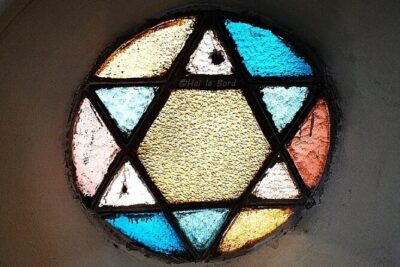
- the Jewish Cemetery
- the Cemetery of the Russian Soldiers
- the older, historic Bellu Cemetery (the big focus)
Even if you are not a cemetery person, this part works because the guide explains what you are looking at, why it exists, and how it connects to the city’s later political trauma. You get the sense that Bucharest’s “dark history” is not one event. It is layers.
Practical note: cemeteries mean uneven ground and lots of standing time. Bring comfortable shoes, and do not count on every path being smooth. This is also why the tour feels most comfortable when you travel with time for slower moments, not just quick photo stops.
Bellu Cemetery: funerary architecture and the stories behind it
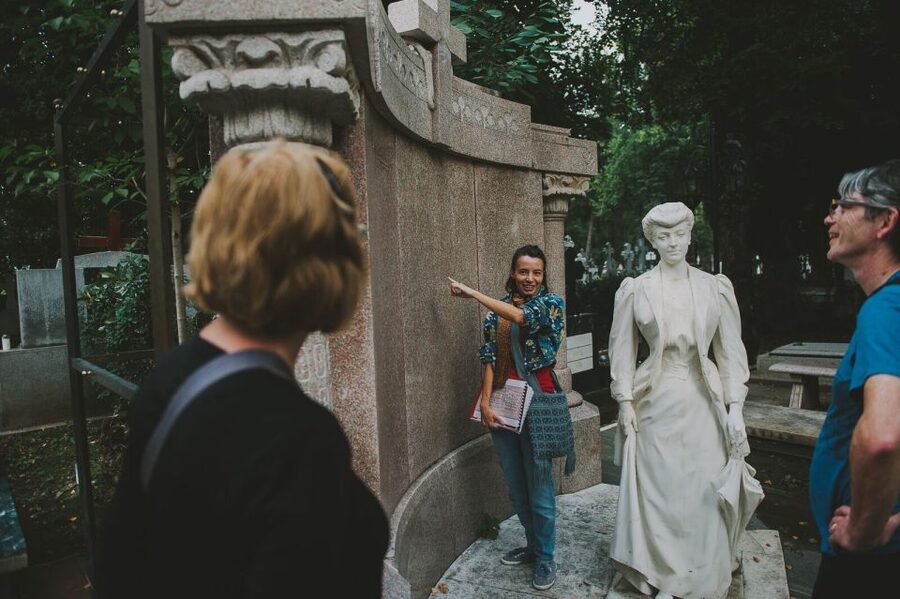
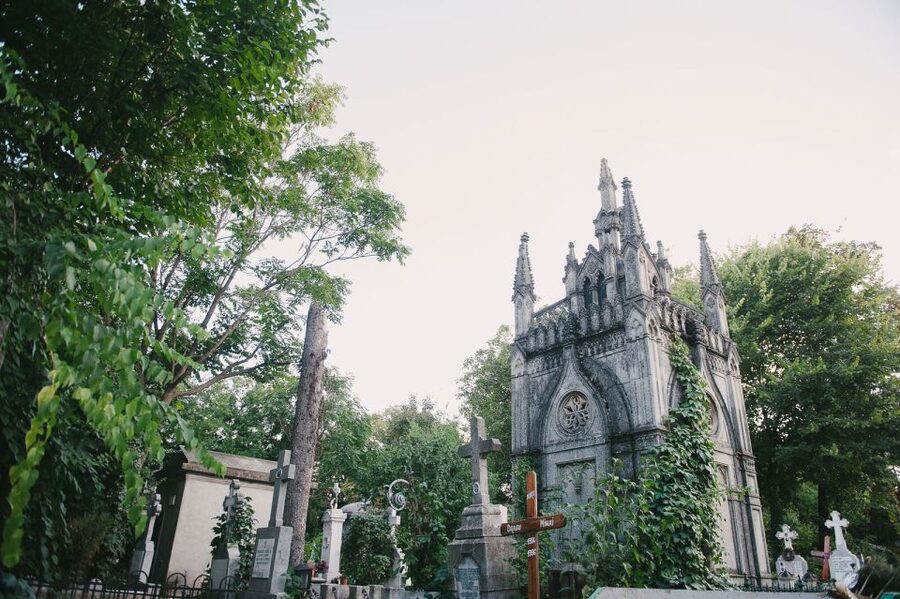
Bellu Cemetery is described as a national historical monument, and the stop is the centerpiece for a lot of people. This is where you shift from street-level history into an almost gallery-like experience: ornate crypts, decorative details, and the kind of architecture that looks like it belongs in a museum.
But what makes it more than pretty stone is the way the guide ties the structures to human stories. The tour frames the place as containing everything from sad love stories to darker mysteries. That mix is important because it prevents the visit from becoming one-note or overly grim.
From what I see in how guides teach it, you do not just read graves like listings. You learn how these monuments reflect beliefs, status, and the way Bucharest handled memory. A few guides are also known for making space for the cemetery’s animal life, including stray cats and dogs. If you like seeing how locals and visitors coexist in these older spaces, that extra warmth can make a cold day feel less heavy.
The best approach here is simple: look closely at the details the guide points out, then ask questions. People who do this tend to leave with that feeling of having “seen” the cemetery, not just walked through it.
University Square: where 1989 protests turned into bloodshed
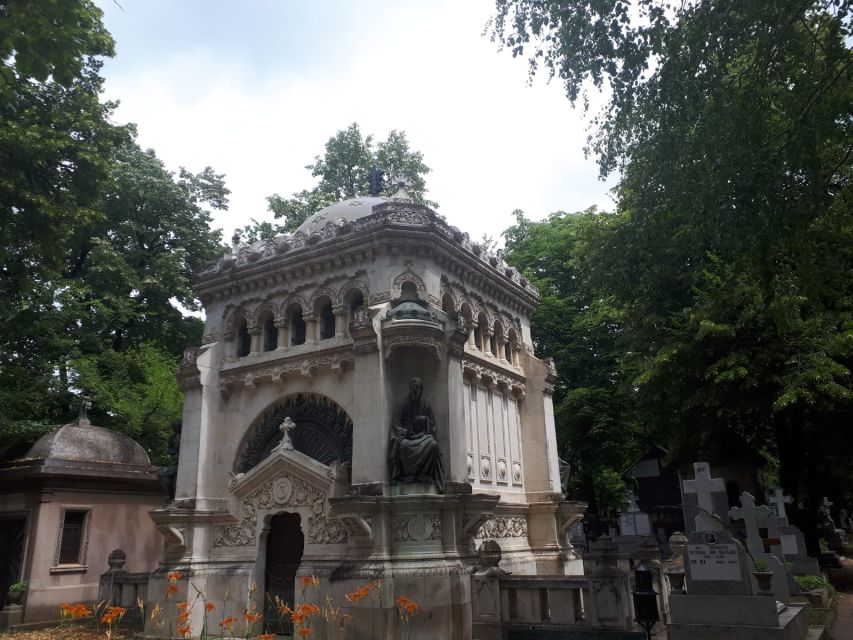
After the cemetery corridor, the tour heads toward University Square. This is one of Bucharest’s key political locations. The theme is direct: this square mattered in 1989 and again in the 1990s when anti-communist students protested.
The value of this stop is that you start to understand the geography of the revolution. Streets and squares become more than background. They turn into the stage where people made choices, faced consequences, and got hurt.
In practical terms, it helps to keep your mindset flexible. This is not a casual walk where you are only photographing buildings. You are standing in places where people protested and suffered, and the guide explains how the modern Romanian political story took shape here.
If you are sensitive to the topic, you should know the tour handles it with care and context, not sensationalism. Still, it is a “dark history” tour, so the emotional weight is part of the experience.
Same base, a completely different day:
- Bucharest: Dracula’s Castle, Peles Castle, & Brasov Old Town
★ 4.5 · 17,858 reviews - Bucharest: Dracula Castle, Peles Castle & Brasov Old Town
★ 4.6 · 10,891 reviews - Bucharest: Dracula’s Castle, Peleș Castle & Brașov Day Trip
★ 4.4 · 6,100 reviews - Bucharest: Palace of Parliament Tickets and Guide
★ 4.3 · 3,182 reviews
“Little Paris” and interwar sex trade: what changed, what remains
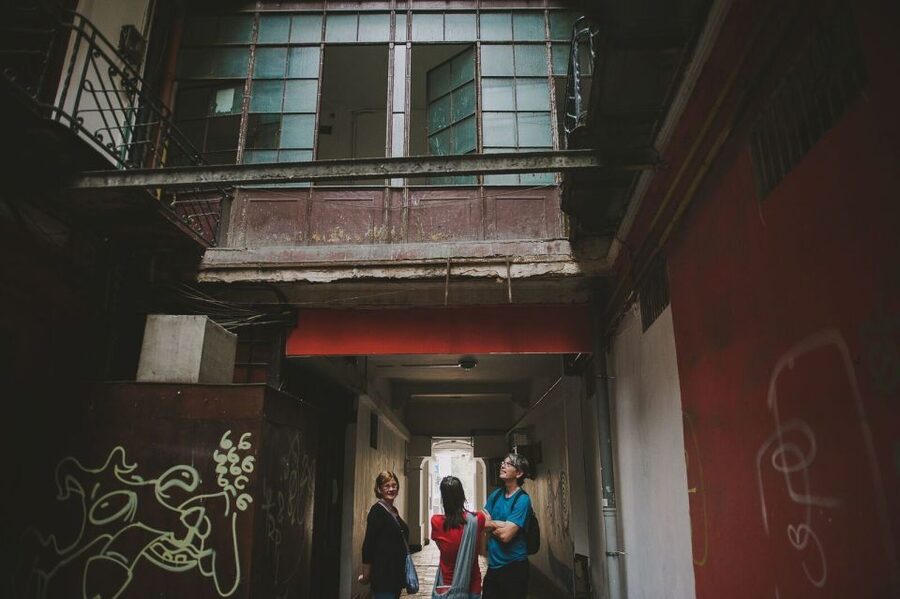
Next comes interwar Bucharest, often described as a “Little Paris” period. The contrast is striking. The guide describes sophistication, then brings the conversation back to the reality of the sex trade as it functioned in that era.
This is one of the most educational sections because it helps you understand that the city’s nightlife and underworld were not random. They were part of a social system with locations, routines, and knock-on effects for the people living nearby.
You will also hear about what is left of that older world today. That makes the tour feel grounded, not like a history lecture where you never see the evidence. Instead, you get a guided way to notice what survives in architecture or street character, and what has changed.
The Vampire of Bucharest story: a serial killer tied to the city
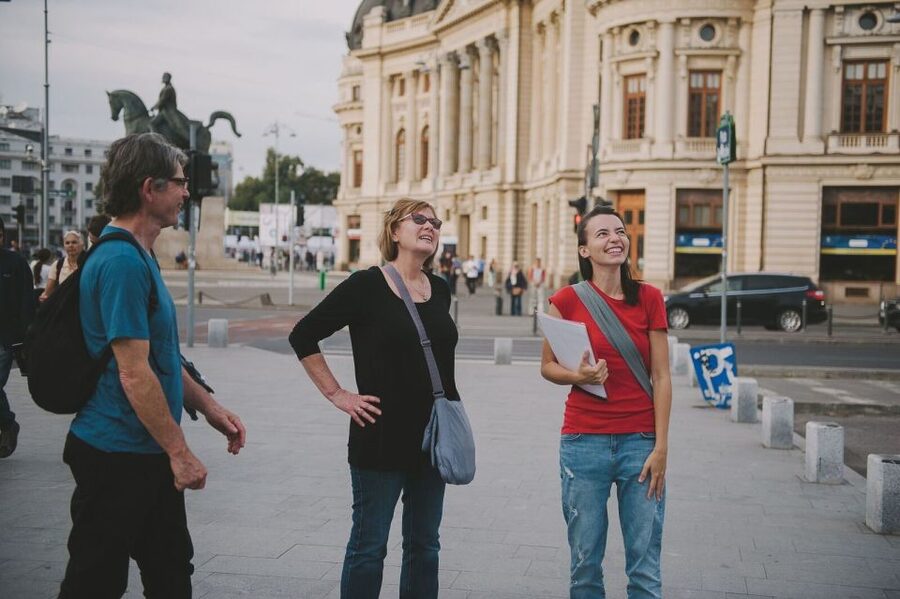
This part adds a chilling thread: the story of a serial killer nicknamed the Vampire of Bucharest, active in the early 1970s. The guide uses the urban setting to explain why fear spread the way it did, and how Bucharest handled crime and rumor during that era.
I like how this topic is positioned as part of the city’s overall story. It is not told as pure ghost-story entertainment. It is used to show how ordinary people experienced danger, uncertainty, and the emotional temperature of the time.
If you enjoy darker urban tales but still want a historical lens, this is a good match. The guide’s job here is not to shock you, it is to explain context so the story makes sense inside Romania’s social and political environment.
Revolution Square and the communist machinery of fear
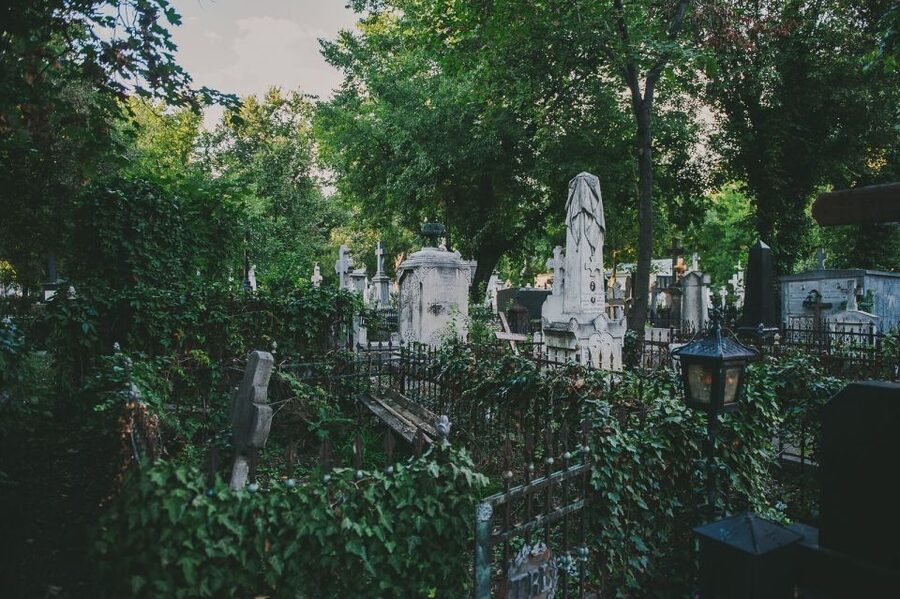
The final major stop is Revolution Square, the place where the 1989 revolution started in Bucharest. This is the climax of the tour’s political arc, and the guide connects it to what came before and after.
You will hear about communist-era repression, including prisons, labor camps, and torture methods used by the regime to silence critics. The tour also explains Ceaușescu’s dictatorship and the terror instilled by the Securitate, often described as Romania’s own KGB.
This section can feel heavy, so I recommend doing it with a little breathing room in your day afterward. Even if you keep moving through the route, the information is designed to stick. It should.
Also, watch for how your guide balances details with human impact. When guides like Vlad or Elena shape the story well, the result feels like “history with edges,” not history that stays abstract.
The walking pace, metro rides, and the real-world comfort level
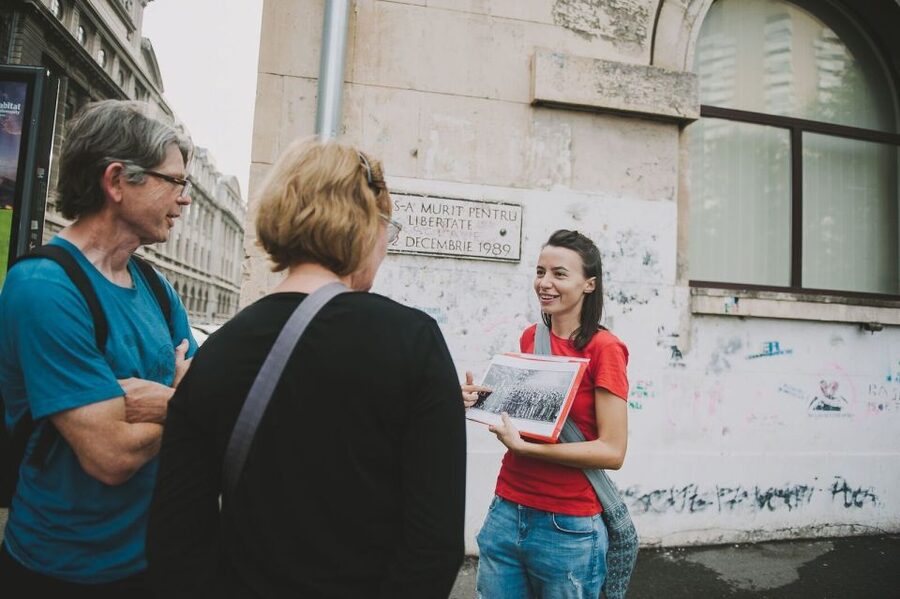
This is a 3-hour tour with multiple stops, so you should assume a fair amount of walking. Several people note the route can feel like a long walk, especially in colder seasons. If you are visiting in winter, dress like you actually plan to stand still while listening. Warm layers matter.
Metro tickets are included, and the guide handles transit between stops. That is a big deal in Bucharest because it reduces the chance you spend part of your tour figuring out how to get from one site to another. It also keeps the flow moving, so you spend more time at sights and less time in route planning.
One more comfort tip: bring water if you tend to get thirsty while walking. The tour includes a traditional street snack, but it does not replace smart hydration for active afternoons.
Group size is capped at 12. That small number tends to make the experience feel less like a bus tour and more like a shared city walk with someone who knows where the stories live.
Price value: what $55 buys you in real terms
At $55 per person for a 3-hour guided walk, you are paying for three things: interpretation, time saved, and included extras. You get a local English-speaking guide, metro tickets, and a traditional street snack.
I think this is good value if you care about more than “see and move on.” Cemetery visits and political squares are only as meaningful as the explanation you get while standing there. The guide also steers you past confusing transitions between themes, like how interwar social life connects to later political terror.
If your goal is only quick photos of famous landmarks, you might feel the cost is higher than you need. But if you want someone to explain what you are looking at, this price often feels fair because you are buying context.
Who this tour suits best (and who should reconsider)
This tour is a strong fit if you:
- like serious history with a local voice
- enjoy architecture and symbolism in places like cemeteries
- want a different Bucharest angle than the standard old-town route
- handle unsettling topics with curiosity
It is not suitable for children under 16. That matters because the content includes prostitution-related history and communist-era violence.
You should also consider whether the topic matches your energy level. If you are tired, stressed, or prone to getting overwhelmed by dark subjects, this may not be the best first stop of your trip. For many people, it works best on a day when you can pay attention and sit with what you learn.
Should you book this dark history tour?
I would book it if you want Bucharest to feel like a city with a pulse, not a postcard. The combination of Bellu Cemetery, University Square, and Revolution Square gives you a rare route that links architecture, social life, and political violence into one coherent walk.
Skip it if you hate long walking, want a light and cheerful afternoon, or prefer history that stays far from crime and repression. If that is you, there are plenty of other Bucharest options.
If this sounds like your kind of day, reserve it and show up ready for a story-heavy route. The guides, whether it is Alex, Andra, Elena, Vlad, Irina, or another member of the team, tend to make the city’s darker chapters feel clear, human, and worth your attention.
FAQ
How long is the Bucharest Dark History Tour?
The tour lasts 3 hours.
What is the price per person?
It costs $55 per person.
Where is the meeting point?
Meet at the main entrance of Ion Luca Caragiale National Theatre, Bulevardul Nicolae Bălcescu 2, București 010051, Romania.
What is included in the tour price?
Included are a local English-speaking guide, a traditional street snack, and metro tickets.
Is the tour in English?
Yes, the tour is offered with an English live guide.
What should I bring?
Wear comfortable shoes.
Is the tour suitable for children?
No. Travelers under 16 years are not permitted.
What is the group size?
The tour operates with a maximum group size of 12 people.
Can I get a refund if my plans change?
You can cancel up to 24 hours in advance for a full refund.
Is there an option to pay later?
Yes, reserve now & pay later is available, so you can book without paying immediately.
Latest reviews from around Bucharest
- ATV Adrenaline Race in Carpathian – Private Tour★ 5.0 · 4 reviews
- Private Tour of Jewish Bucharest★ 5.0 · 4 reviews
- In Search of Dracula and the Teutons in Transylvania Full-Day Private Tour★ 5.0 · 4 reviews
- Bulgaria One Day Private Tour from Bucharest★ 5.0 · 4 reviews
- Discover Medieval Transylvania Small Group Tour – 7 days★ 5.0 · 4 reviews
- Bulgaria Day Trip – Private Tour from Bucharest – Veliko Tarnavo & Arbanasi★ 5.0 · 4 reviews
- Private tour: Medieval cities of Transylvania, 2 Days from Bucharest★ 5.0 · 4 reviews
- Black See, Constanta and Mamaia Beach – Day Trip from Bucharest★ 5.0 · 4 reviews
Historical Tours, compared.

Bucharest: Communism and History Guided City Walking Tour
Read our review →
Bucharest: Small Group History, Art & Secrets Tour
Read our review →

Roma Culture, Realities and Slavery History, Walking tour
Read our review →
Bucharest Jewish Heritage | Holocaust Memorial | Private Car Tour
Read our review →
Private Bucharest: History & Food with Traditional Meal
Read our review →
Half-Day Jewish Heritage Walking Tour in Bucharest
Read our review →Browse the lists this tour appears in