
Reviewed · WALKING TOURS
Roma Culture, Realities and Slavery History, Walking tour
This walking tour is interesting because it uses everyday Bucharest streets to tell a story that is often skipped, especially the Roma history of slavery and persecution alongside the city’s iconic landmarks. I like how the guide keeps the tone human and factual, with myths vs truths built into the route instead of treated like a side topic.
I also like the practical finale, the chance to join an optional jewelry workshop with a Roma artisan and actually make something. One consideration: the subject matter is heavy at times, so you should be ready for serious history and expect to stay on your feet for about three hours.
Key things I’d mark on your plan
- Romana Square start and a tour flow that gradually adds context instead of dumping facts at once
- A former slave market site that grounds the story in a real place, not generalities
- Cismigiu Park stop for a calmer pace and a closer look at traditions and misconceptions
- Holocaust memorial photo stop that specifically includes Roma victims in Romania’s genocide history
- Optional jewelry workshop at the end, when the conversation shifts from history to craft and identity
Why this Roma culture tour feels different in Bucharest
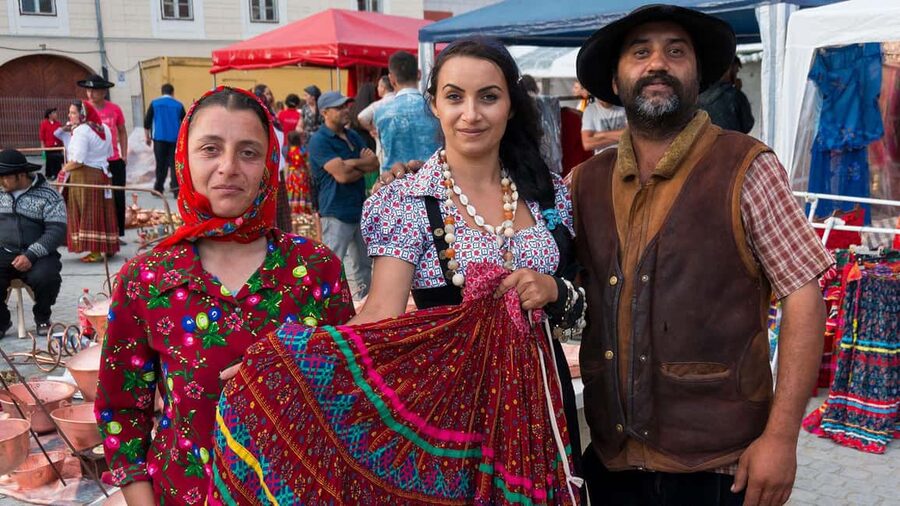
Most city walking tours show you pretty facades and easy stories. This one goes after something harder: how Roma life has been shaped by power, law, stereotypes, and survival in Romania. You walk through places that many visitors never connect to Roma history, then you connect the dots.
What makes it work is the balance. You get cultural context, not just tragedy. And you get clear signposting for what is supported by history versus what turns into a repeating rumor.
If you like your travel with meaning, this tour is a strong match. If you only want postcard views and quick entertainment, you may find the emotional weight uneven. Still, the route is structured to keep moving, with breaks and pauses built into the pace.
More Historical Tours in Bucharest
- Bucharest: Communism and History Guided City Walking Tour
★ 4.9 · 918 reviews - Bucharest: 3-Hour Dark History Tour with a Local
★ 4.9 · 301 reviews - Bucharest: Small Group History, Art & Secrets Tour
★ 4.7 · 152 reviews
Meeting at Teatrul Ion Creangă and finding Romana Square fast
The tour starts at Teatrul „Ion Creangă” (Sala Mare), right in the small square in front of the theater. It’s about a 3-minute walk from Piata Romana metro station, which makes it easy to get to even if you change plans last minute.
I like this kind of meeting point. You are not hunting around a giant plaza or searching for a hidden entrance. You can arrive early, orient yourself, and settle before the guide starts.
Former slave market site: where the tour sets the emotional tone
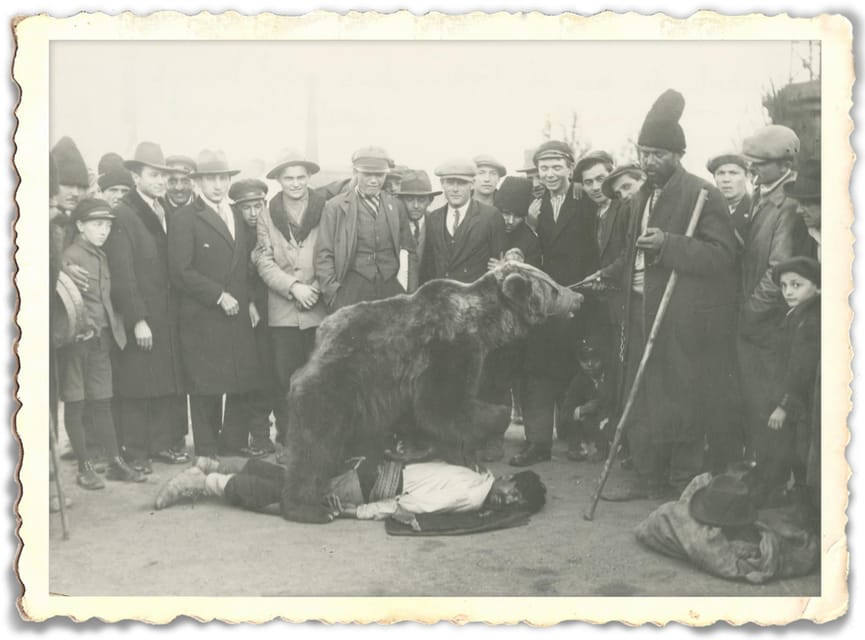
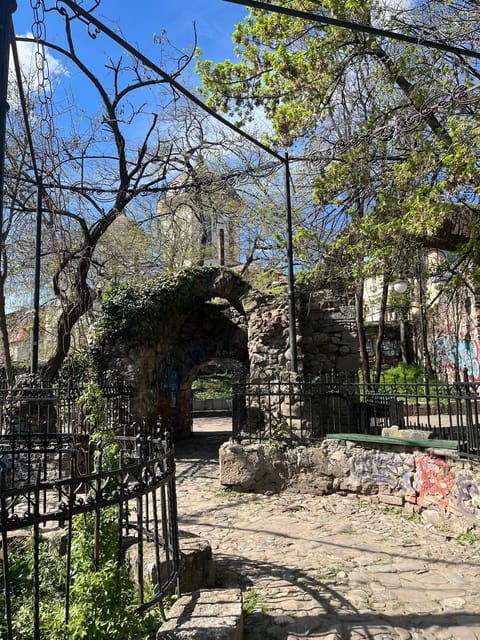
A major early moment is the site of a former slave market, which the guide frames as a haunting reminder of Romania’s complex history with Roma communities. This is the kind of stop that changes how you listen to the rest of the tour, because you can see the idea was not theoretical.
You’ll hear the historical context behind the trade in human lives and how its impact has lingered in identity and memory. The guide also helps you separate myth from fact, which matters here, because misinformation is often part of how discrimination survives.
Practical tip: don’t treat this stop as a quick photo. Give yourself a full minute to absorb it. If you’re with friends, ask each other what you thought you already knew, then notice how your answers change by the time you finish.
Passing the Romanian Athenaeum, and why arts get political
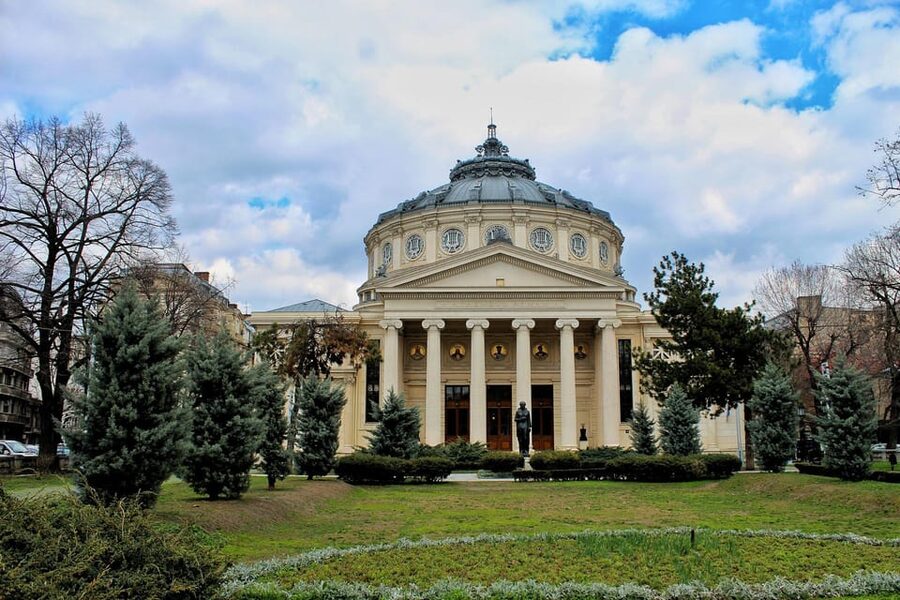
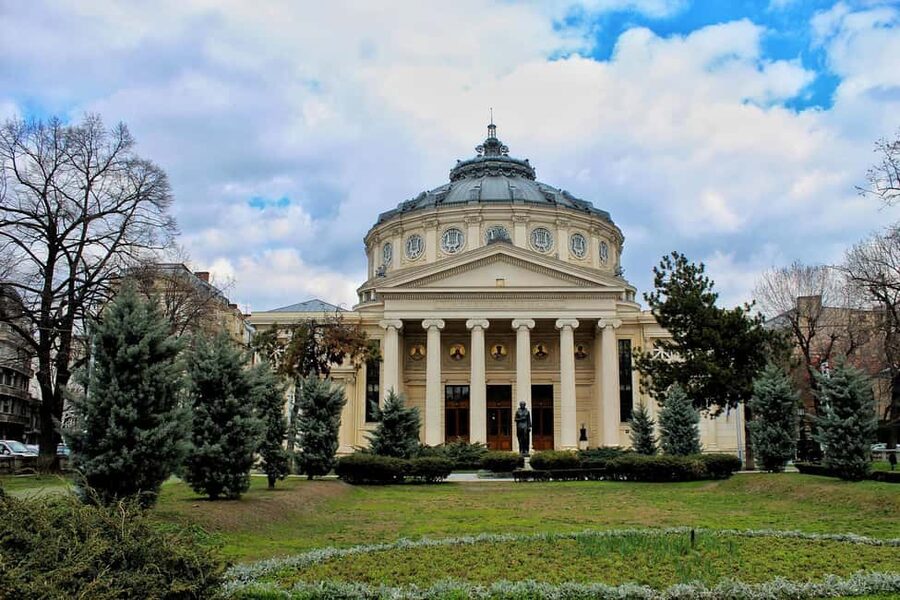
You’ll pass the Romanian Athenaeum, one of Bucharest’s most famous cultural symbols. The interesting angle is not just architecture. The guide uses it to talk about how the arts and public culture shaped perceptions of Roma people over time.
That matters because stereotypes rarely stay in the street. They get amplified by institutions, stories, and what society chooses to celebrate. This stop helps you understand why Roma identity and representation can be both visible and distorted.
Architectural heads-up: the tour includes a short walking pass, not a long interior visit. Plan to enjoy the outside view, then move on with the story in your head.
More Walking Tours in Bucharest
- Bucharest: City Highlights Guided Walking Tour
★ 4.9 · 1,482 reviews - Bucharest Highlights Walking Tour
★ 5.0 · 469 reviews - Bucharest: Hidden Markets Walking Tour with Tastings
★ 4.9 · 329 reviews - Bucharest: Ghost Stories & Romanian Mythology Walking Tour
★ 4.9 · 287 reviews
Cismigiu Park: a slower pace for traditions, myths, and reality
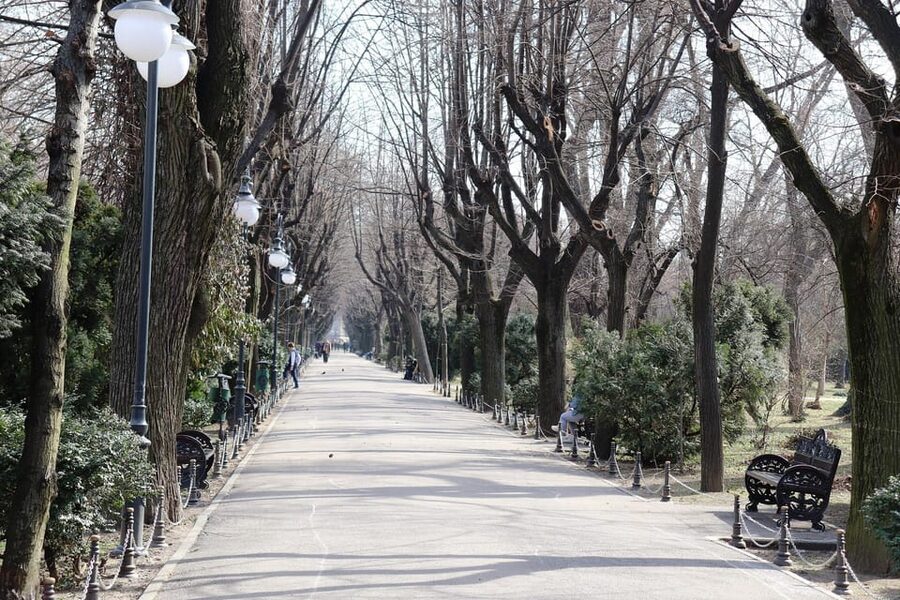
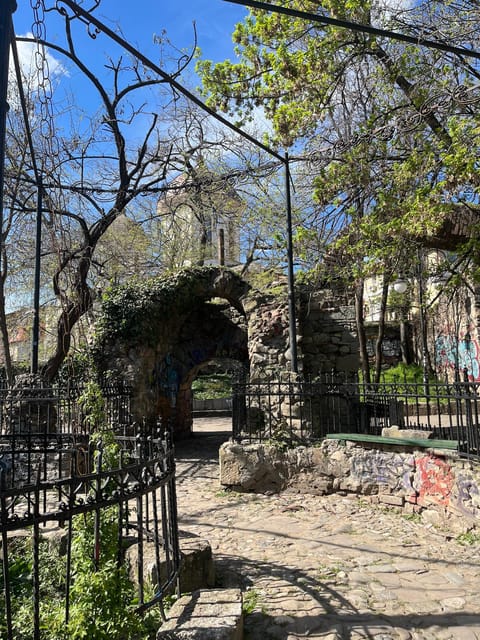
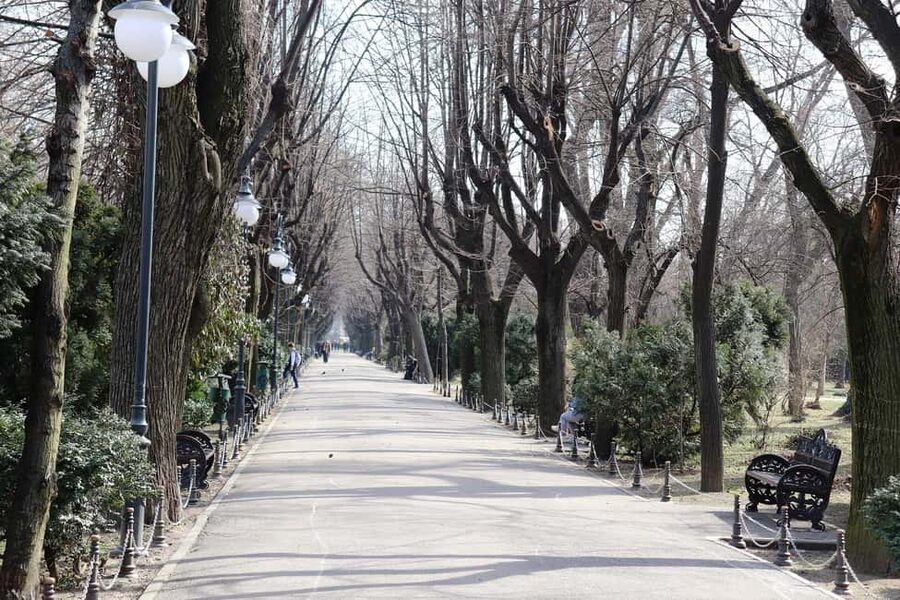
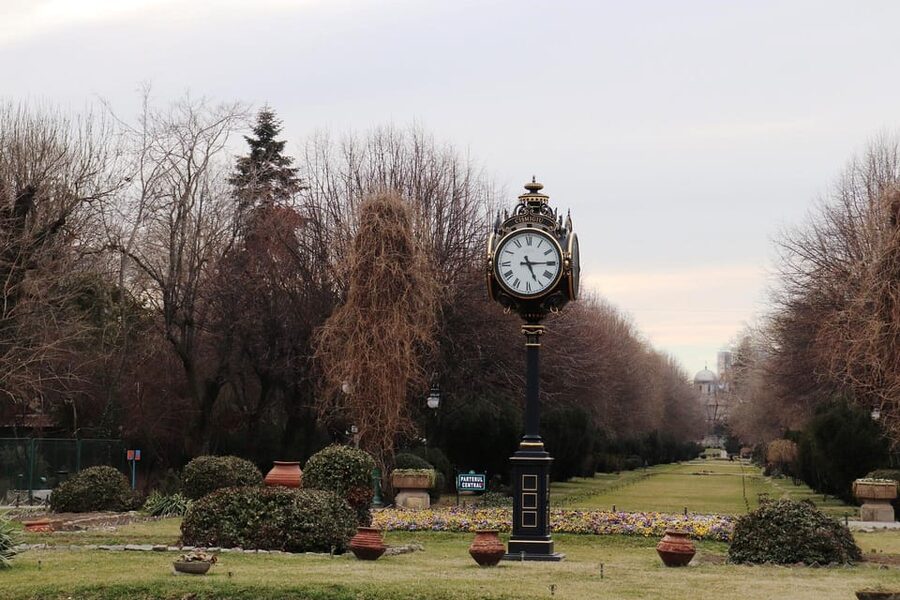
After the heavier segments, the route shifts to Cismigiu Gardens, one of Bucharest’s best known green spaces. This is the oldest and largest garden in the city, and the tour gives you time to actually stroll through it rather than just cut through.
This is where you get more about Roma culture and traditions, with the guide addressing what’s real and what’s commonly misunderstood. Reviews often mention that the guide uses clear explanations and good pacing here, so the tour doesn’t feel like a lecture in a park.
If you’re traveling in warm weather, pay attention to comfort. One review notes the guide checked shade and shared water breaks on a hot day. That kind of care makes a difference on a walking tour.
Holocaust memorial in Romania: remembrance, with Roma named
A key stop is a Holocaust memorial in Romania. The tour includes a photo stop plus guided context, specifically touching on the thousands of Roma lives lost to persecution and genocide.
You might expect a generic genocide-history talk on a Bucharest tour. This one frames Roma as central, not a footnote. That is emotionally significant, and it also changes the quality of your understanding of twentieth-century Romanian history.
If you want to show respect, treat this segment as more than sightseeing. Step aside from the main flow of pedestrians and let the guide’s framing land. If you’re the type who likes to take notes, this is a good stop for writing down a few names and key points so it sticks.
Communist-era traces: how the system shaped daily life
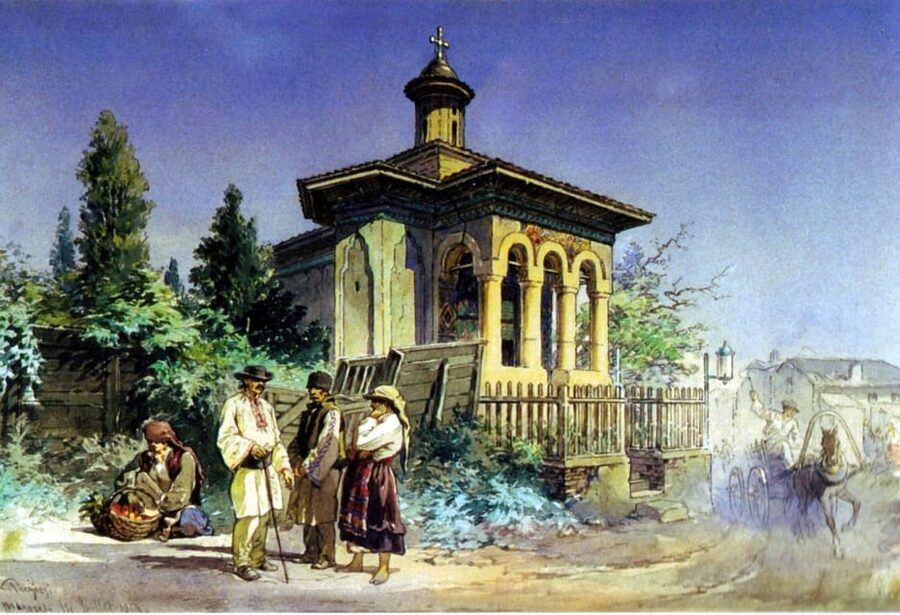
The tour also helps you understand Romania’s communist past and how the regime affected Roma communities. The idea is not just politics. It’s the way policies influence opportunities, housing, public treatment, and how people are labeled.
You’ll also hear about how postwar changes affected property and neighborhoods. One review specifically connected the run-down look of some buildings to disputes around property after the war. Even if you do not go deep into individual cases, that context helps you read Bucharest streets differently.
What I like here is that the guide keeps the story grounded in what it did to real life. It’s history with consequences, not just dates.
From Piața Kogălniceanu to Revolution Square, tracing the “why” behind the city
The itinerary moves through central Bucharest streets with additional context stops, including Piața Kogălniceanu and a pass by Revolution Square. These are quick segments, but they matter because they connect Roma history to the wider story of modern Romania.
You’re not just seeing monuments. You’re learning how political shifts and national identity debates create winners, losers, and who gets believed. That is why these “passing” moments still feel useful.
There are also a couple of short “secret stop” segments in the middle of the walk. You will not spend long there, but they function like story transitions. Think of them as the guide’s way of repositioning you mentally as the narrative changes direction.
The built-in breaks that make a 3-hour history walk actually workable
This is a 3-hour walking tour, and it includes a 15-minute break at a local café. That matters more than you might think on a tour like this, because serious topics can make time feel heavy.
From reviews, I also picked up that guides tend to check on comfort, including stopping for shade in hot weather and giving chances to sit. If you need toilet access, the guide may build that in when possible.
For you, the takeaway is simple: bring water if you run hot, wear comfortable shoes, and accept that you’re here to listen as much as to look. This is not a “walk and gossip” city loop.
Optional Roma jewelry workshop at Mesteshukar ButiQ: a hands-on finale
The tour ends at Mesteshukar ButiQ (MBQ), where you can add an optional jewelry workshop. If you choose it, you’ll craft your own piece with an authentic Roma craftsman in a traditional workshop setting.
I love this kind of ending because it avoids the tired pattern of “learn hardship, leave.” Instead, you connect Roma history to creativity and skill you can see with your hands. And it gives you a souvenir that is not mass-produced.
One review highlights that the workshop was fun and practical, and that it helped make the tour feel more personal. Another mentions the guide shared additional cultural links, including music references like folkloric and manele, which can make your learning continue beyond the walk.
Price and value: is $30 worth it for three hours?
At $30 per person for about 3 hours, with a live English guide, this is priced in the reasonable range for a focused guided tour. What pushes it toward strong value is that you get more than a general city overview.
You’re paying for:
- guided interpretation of Roma culture and history in specific Bucharest locations
- a route that includes major landmarks and emotionally significant memorial context
- the option to add a hands-on jewelry workshop (with workshop transportation included if selected)
If you’re the type who hates “surface sightseeing,” this tour likely feels worth it quickly. If you’re expecting a light walking loop with lots of free time, you might wish for a longer break between emotional stops. Still, the structure is designed to keep you moving and listening at a human pace.
Who should book, and who might prefer something else
This tour is a great fit if you want:
- a serious, place-based understanding of Roma history in Bucharest and Romania
- a guide who explains both myths and truths without turning Roma culture into a stereotype
- a mix of landmarks, parks, memorial context, and a practical craft experience
It may be less ideal if you:
- are looking for a relaxed, family-friendly “easy day” with only light topics
- want only architectural sightseeing without uncomfortable history
- dislike walking for around three hours, even with breaks
Should you book the Roma Culture, Realities and Slavery History walking tour?
If you care about understanding a country beyond what’s on the main tourist path, book it. The route is built around real locations, including the former slave market site and the Holocaust memorial with Roma named. That combination gives you clarity fast, and it also makes the rest of Romania’s social history easier to follow.
I’d especially recommend it if you like guides who are direct, empathetic, and able to answer questions. Reviews repeatedly mention guides such as Andreea, Daniela, and Mihail delivering the material with empathy and clarity, and keeping the tour engaging even with larger groups.
If you go, go with the right mindset: comfortable shoes, a willingness to listen, and respect for the emotional stops. Then you’ll come away with something more useful than photos, you’ll come away with perspective.
FAQ
FAQ
How long is the tour?
The tour lasts about 3 hours.
Where does the tour start?
Meet in the small square in front of Teatrul „Ion Creangă” (Sala Mare), about a 3-minute walk from Piata Romana metro station.
What is the price?
The price is $30 per person.
Is the tour guided, and what language is it in?
Yes, it’s a live English guided walking tour.
What are the main places you visit?
You’ll visit and/or stop near Cismigiu Park, the Romanian Athenaeum area, a Holocaust memorial, and other central locations including Piața Kogălniceanu and a pass by Revolution Square. You also visit the site of a former slave market.
Is there a food break?
Yes. The tour includes a 15-minute break at a local café. Food and drinks are not included.
What does the optional jewelry workshop include?
If you select it, the tour includes a jewelry workshop with a Roma craftsman, plus transportation to the workshop, if the option is chosen.
Can I cancel for a refund?
Yes. There is free cancellation up to 24 hours in advance for a full refund.
Latest reviews from around Bucharest
- LiBEARty Brown Bear Sanctuary and the most important castles from Romania★ 5.0 · 4 reviews
- Hike Bulgaria Love Swing, Veliko Tarnovo and Tarevet Fortress★ 5.0 · 4 reviews
- Bucharest Private Tour with Dracula’s Grave and Ceaușescu Mansion★ 5.0 · 4 reviews
- Hiking in Bucegi Mountains in the Carpathians, Private tour★ 5.0 · 4 reviews
- Dracula Experience In Transylvania★ 5.0 · 4 reviews
- Private 6-Day Dracula Tour in Transylvania from Bucharest★ 5.0 · 4 reviews
- Bucharest Sightseeing – Half-Day Private Tour★ 5.0 · 4 reviews
- Bison Sanctuary, Vlad the Impaler Princely Court & Dracula Grave★ 5.0 · 4 reviews
Walking Tours, compared.

Bucharest: City Highlights Guided Walking Tour
Read our review →
Bucharest: Communism and History Guided City Walking Tour
Read our review →

Bucharest: Hidden Markets Walking Tour with Tastings
Read our review →
Bucharest: Ghost Stories & Romanian Mythology Walking Tour
Read our review →
Bucharest: Guided Walking Tour with Romanian Snack
Read our review →
Walking Tour- Delightful Bucharest (Highlights, Stories, Sights)
Read our review →Browse the lists this tour appears in