
Reviewed · MARAMUREș
Classic Romania Tour – small group in 8 days: Transylvania and Maramures
A Classic Romania Tour like this is interesting because it stitches together two very different Romanian worlds in one trip: castle country in Transylvania, then the wood-church culture of Maramures. I like that it stays small-group and tight, and I also like the way you jump from major sights to everyday village life instead of doing only postcard stops.
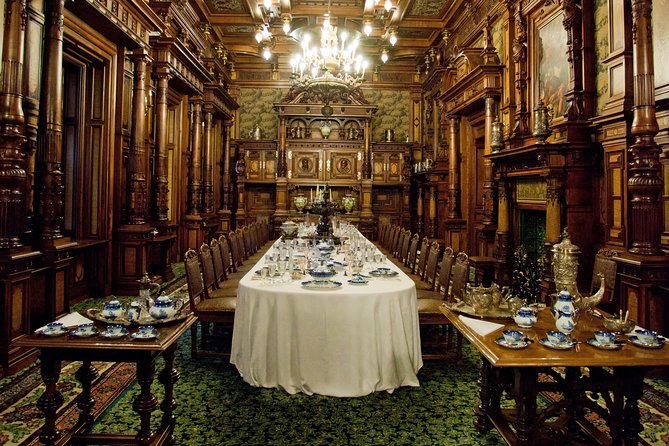
I also like that the first day is rooted in Bucharest reality, not just quick photos. There’s one drawback to keep in mind: the Palace of the Parliament is closed until June, so your tour swaps to Spring Palace, and you should expect occasional schedule changes depending on what is open.
Key things I’d prioritize on this tour
- Small group limit of 6 travelers, with time for questions and pace control
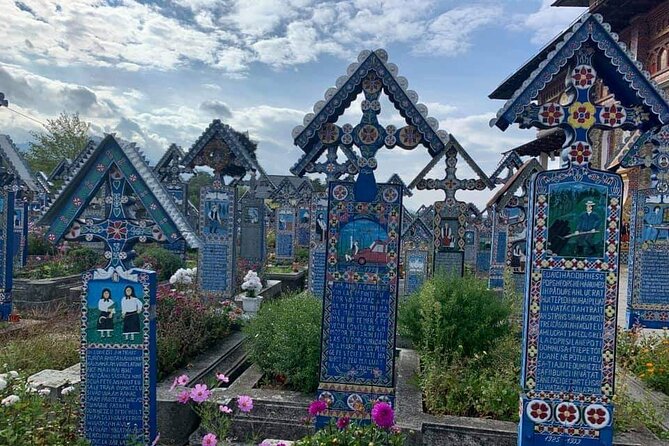
- UNESCO wooden church day in Maramures, plus the famous merry cemetery at Săpînţa
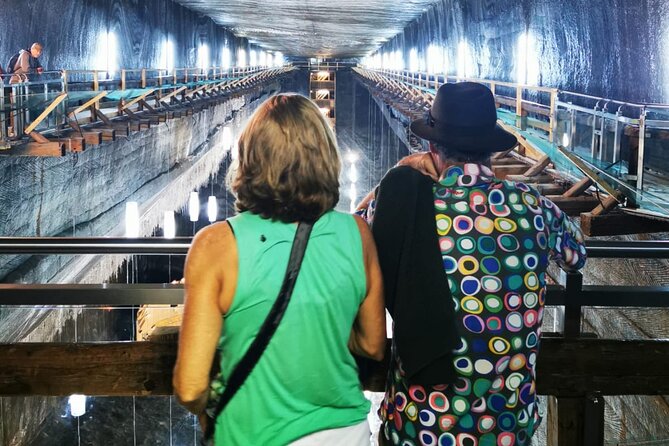
- Turda Salt Mine for that “wait, we are underground?” feeling and great photos
- Sighișoara old fortress streets, including the Clock Tower and Church-on-the-Hill climb
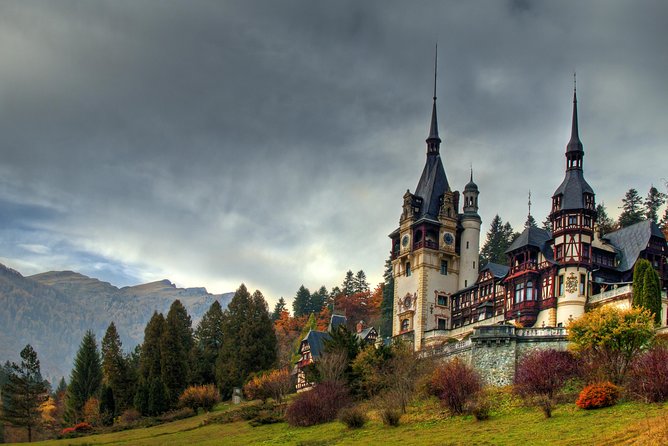
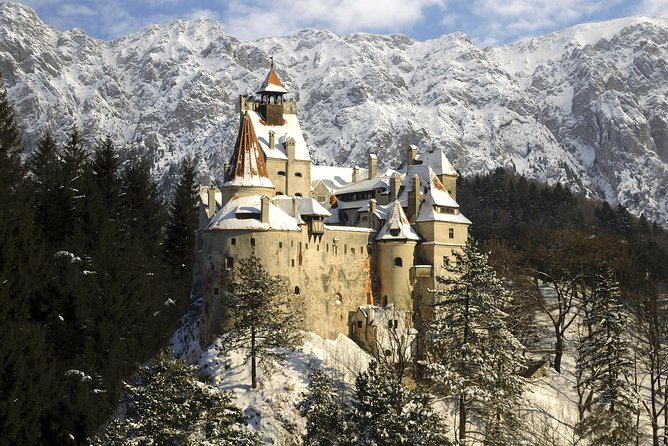
- Bran Castle plus Sinaia and Peles Castle, two iconic styles of royal architecture in one stretch
- Bucharest Old Town finish, then airport transfer, so you are not scrambling at the end
A Small-Group Route Through Transylvania and Maramures
This is an 8-day route built around two themes. First, you cover the classic Transylvania hits: big fortified places, medieval towns, and the castles people actually travel for. Second, you go north to Maramures, where the look and rhythm of life feels different, slower, more hands-on.
Your group stays capped at 6 people. That matters. In a small group, your guide can adjust the pace, answer questions on the spot, and help you squeeze in the best photo angles without turning your day into a conveyor belt. You also get airport pick-up and drop-off and use a modern car or minivan, so transportation is handled end to end.
One more detail I like: it’s not just “see a castle.” You also get a horse-drawn carriage ride in Viscri and a folkloric show dinner. That’s the kind of thing that helps Romania feel real, not staged.
Bucharest Start: Parliament Scale Without the Visit, Then Old Town
You begin in Bucharest with a city tour that sets up the big contrast in Romania’s story. You see the Palace of the Parliament area for the historic context, but you won’t enter the building while it’s closed. In that case, the tour replaces it with Spring Palace.
After that, you move into Bucharest Old Town, where the mix of eras shows up in buildings, streets, and that lively chaos the city does so well. This is a good first taste because it’s easy to understand from walking around: you get the feel of the streets quickly, and you don’t need to be a history buff to enjoy it.
Practical note: your first day is a longer one. You start at 9:00 am and you still have a hotel night at the end of it. Bring comfortable shoes, and don’t plan anything heroic for the evening beyond walking.
More of Maramureș:
Curtea de Arges, Olt Valley Monasteries, and Sibiu’s Bridge of Lies
Leaving Bucharest, the tour makes a smart pivot toward medieval Romania right away with Curtea de Arges Monastery in the foothills of the Carpathians. It’s the kind of stop that gives you a sense of where the region’s spiritual and architectural tradition comes from.
Then you drive through the Olt Valley. This portion is about the road trip feeling, wide views, and getting out of city routines. In summer season, the itinerary also swaps out one monastery stop. You might go to Cozia Monastery, or if it’s the summer window from mid June to early November, that visit can be replaced with a road trip on the Transfăgărășan route. That change is worth paying attention to when you plan clothing and expectations, because Transfăgărășan tends to feel more scenic and “road trip film” than a quiet monastery stop.
In Sibiu, you get the old-town walking tour, with the Main Square first. You’ll see the Brukenthal Museum building and the Roman Catholic Cathedral. Then you shift toward Huet Square and the Evangelical Church, which helps you see how multiple communities shaped the same city center. And yes, you also do the Bridge of Lies, one of those charming local legends that turns a short bridge into a memorable pause.
If you like structure, this is a strong day. There’s a monastery, a driving section, and then a walking tour that ends with a sense of place.
Sibiel, Alba Iulia Star Fortress, and Turda Salt Mine
Day 3 gives you a mix of rural authenticity and big defensive architecture.
You start with Sibiel, a quieter village side route often described as a rural replica. The real value here is the slow pace and the chance to experience daily life, not just admire buildings from a distance. If you like villages, this is a good early win in the trip.
Then you move to Alba Iulia, where you visit the largest fortress in Romania. What makes this stop more than just “big walls” is the geometry and history layered in one place. The fortress is surrounded by about 12 km of walls and built in a star shape. You’ll also hear how it evolved from a Roman fort into a medieval fortress, then later into a Vauban-type citadel with bastions.
Next comes the stop that turns your brain off in a good way: Turda Salt Mine. You’re underground in a former salt mining area carved into huge galleries and halls. There is a hall that rises about 118 meters, and there’s a lake down at the bottom. It’s one of those places where you instantly understand why artists like dramatic interiors. Plan on taking a lot of photos, but also plan to take a breath and just watch the light patterns. Even a quick glance down a corridor can feel surreal.
This day is active but not punishing. The main “workout” is walking and moving between stops.
Cluj-Napoca to Maramures: Breb Villages and Săpînţa’s Merry Cemetery
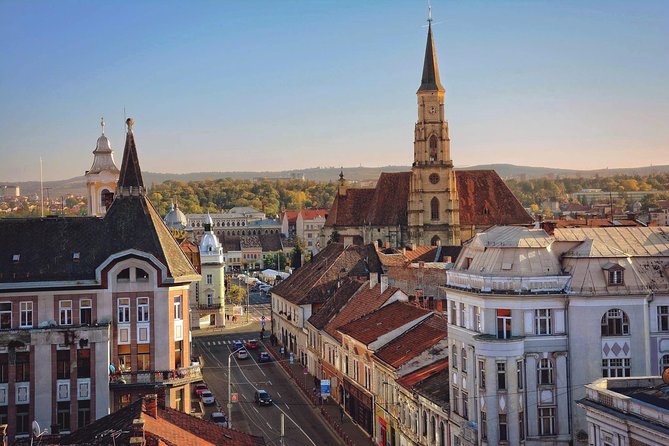
You pick up city history in Cluj-Napoca before heading north into Maramures. The tour of Cluj typically includes the St Michael’s Gothic Cathedral, Banffy Palace, and Mirror Street. Even if you are not a cathedral person, this is a solid introduction to how Transylvania cities look and feel.
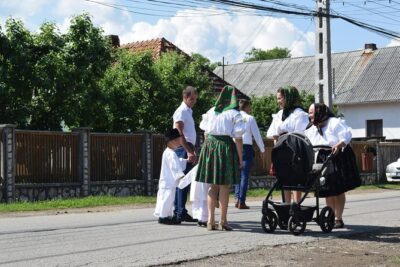
Then you head to Maramures, a region often described as open-air museum style, but the point is not the label. It’s the wooden houses and the way tradition survives through daily routines and craftsmanship.
In Breb, you see one of the best-preserved traditional village setups and you visit an authentic house. This is where you get more than scenery. You get contact with local life. You also stop for lunch featuring fresh products and fruity liqueurs, which is exactly what I look for on road trips through smaller regions.
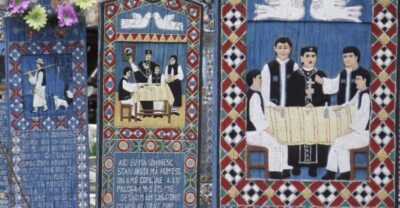
The emotional and visual highlight is Săpînţa, home to the world’s only community with a merry cemetery. The wooden carved crosses are painted bright colors, and the quatrains carved into them are witty, humorous, and inspired by the person’s life. It’s not just a cemetery visit. It’s a lesson in how a culture can handle grief with humor and art at the same time.
That same day, you also have a Romanian traditional dinner and folkloric show. In tours like this, the cultural evening can sometimes feel like an add-on. Here it works because it follows a day of village immersion, so the show feels like a continuation, not a detour.
More Bucharest options to weigh up
- Bucharest: Dracula’s Castle, Peles Castle, & Brasov Old Town
★ 4.5 · 17,858 reviews - Bucharest: Dracula Castle, Peles Castle & Brasov Old Town
★ 4.6 · 10,891 reviews - Bucharest: Dracula’s Castle, Peleș Castle & Brașov Day Trip
★ 4.4 · 6,100 reviews - Bucharest: Palace of Parliament Tickets and Guide
★ 4.3 · 3,182 reviews
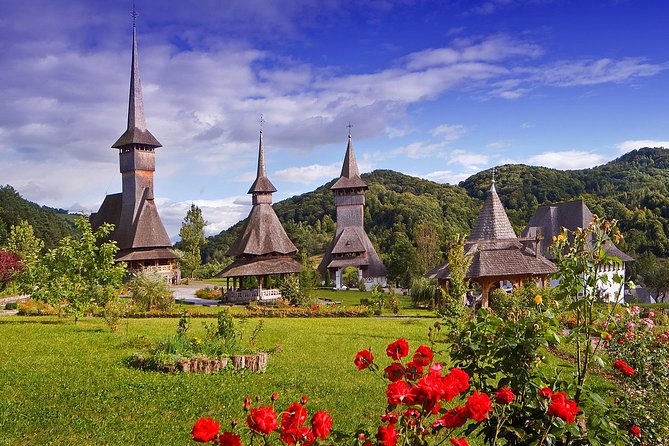
UNESCO Wooden Churches at Poienile Izei and Barsana
Day 5 is about architecture, craft, and the rhythm of rural Maramures.
You visit two ancient wooden churches that are UNESCO World Heritage sites: Poienile Izei and Barsana. The tour also emphasizes the role of woodcarving, which is key to understanding why these churches look the way they do. These buildings aren’t simply pretty. They represent centuries of technique passed between generations.
In Barsana, you’ll learn about its significance as one of the largest Orthodox architectural ensembles in Romania. Then you get the craft side through a local artisan workshop and a chance to buy handmade souvenirs. This is one of those practical tourism moments: if you want a real artifact, not a mass souvenir, this is where you should do it.
After the countryside, you end in Târgu Mureș, a city known for ethnic and cultural diversity. This stop balances the trip. After days of villages and monasteries, having a city night helps you catch your breath and reset.
Biertan Fortified Church, Sighișoara Clock Tower, and the Steps to Church-on-the-Hill
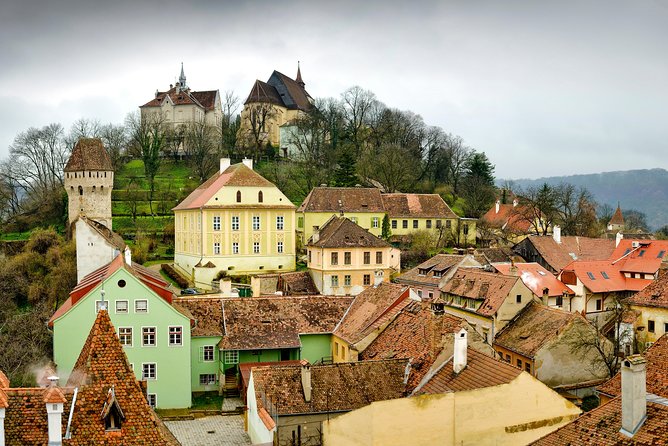
Day 6 starts with Biertan, the largest fortified church in Transylvania. Again, the value is not only the church itself, but the fortified concept. You’re looking at a place built for community worship and defense. That combination makes Transylvanian church culture feel different from many other parts of Europe.
Then you reach Sighișoara, described as the only inhabited medieval fortress included in UNESCO. You walk winding cobblestone streets that are still used, not frozen behind barriers. The Clock Tower is the headline stop, and it includes a museum with medieval weapons and even a torture chamber exhibit. If you have a sensitive stomach for grim topics, you can choose how long you spend there.
After the tower, you climb the three hundred wooden steps up to Church-on-the-Hill. This is the day’s “workout.” It’s doable for many people, but if you know stairs bother you, plan your pace, take pauses, and bring water.
After Sighișoara, you shift into village life again with Viscri. Prince Charles restored a traditional house there, and you can see that restoration focus. You also ride through the village by horse-drawn carriage, then stop for home-made cake and visits with locals.
This sequence is why the tour feels balanced. You get defensive architecture, medieval town life, and then countryside calm, all within one day.
Brasov Old Town, the Black Church, and Bran Castle Dracula Lore
Brasov is where the trip turns into classic Transylvania postcards, but you still get enough guided context to make it more than a photo sprint.
In Brasov, you take a walking tour that includes a narrow street called one of the narrowest in the world, Council Square, and the Black Church. The Black Church stop is particularly useful because it helps you understand why Brasov mattered historically, not only as a gateway to castles but as a serious town with its own identity.
Then you visit Bran Castle from Brasov. Even if you are not a Dracula superfan, the experience is worth it because Bran is a real medieval fortress perched on a cliff. The tour focuses on the Dracula legend, and you also get the 13th-century setting and the strategic location over the access route into medieval Transylvania.
Worth knowing: Bran can be emotionally intense for people who dislike “theme-park castle” energy. This tour still frames it as a castle visit, but Dracula lore is the hook. If you want pure architecture over pop culture, still go, but expect the storytelling element.
Sinaia Monastery and Peles Castle: Royal Taste Without the Rush
After Bran, the itinerary heads to Sinaia, a mountain resort famous for royal residence ties. You first visit the Orthodox Monastery in Sinaia, which sets a spiritual tone before the royal showpiece.
Then you get to Peles Castle, described as Gothic style and built by Carol the First of Hohenzollern. The tour includes a castle tour that focuses on the royal Romanian family life.
I like this pairing because it keeps the trip from going all castle all the time. You get monastery quiet, then the visual drama of Peles. And because you travel to Bucharest at the end of the day, you also get an easier landing after a full “big sights” stretch.
Price and Logistics: What $2,339.64 Buys You
At $2,339.64 per person, you are paying for a guided, transport-heavy, multi-region itinerary, not just for tickets. The value comes from three things.
First, you’re not driving yourself. A modern car or minivan with a guide takes you across Transylvania and up into Maramures without the mental math of connections.
Second, you get a professional English-speaking guide plus a small maximum of 6 travelers. That is a meaningful cost driver, and it shows in how often your guide can explain context at each stop instead of rushing through the basics.
Third, key cultural extras are included: a folkloric show dinner, a horse-drawn carriage ride, and one lunch with traditional local products. You also get breakfasts each day.
What is not included: health insurance, airplane tickets, and meals outside what’s listed. Also, entrance fees to monuments are not blanket included, even though admissions are listed as included for specific day items. So you should expect some sights might have separate charges depending on what is open that day. The smart move is to review the exact inclusions with the operator before you go.
There’s also a logistics detail you’ll appreciate: airport pick-up and drop-off is included, and you get a mobile ticket.
Who This Tour Fits Best, and Who Might Prefer a Different Pace
This tour fits you if you want a guided route through Transylvania and Maramures that mixes big monuments with small village moments. It also fits you if you like castles, churches, and photography stops such as Turda Salt Mine. You’ll do walking tours in multiple cities and at least one significant stair climb at Church-on-the-Hill.
It might not fit you if you hate long drives or you need lots of free time. This is a stop-rich itinerary where days have structure and limited downtime.
Physical fitness is listed as moderate. That means comfortable shoes, a steady pace, and patience with cobblestones and steps. If you have mobility constraints, ask before booking how your exact day walking will look.
Guide Notes: The Difference a Good Guide Makes
A strong part of the experience is the guide quality. One traveler specifically praised Valentin Val Nan for being extremely polite, considerate, and sharp on details. The same review noted that he handled schedule changes the group suggested, including adding visits to Konstanza and Histria.
That type of flexibility matters in a tour like this. Romania is not always “perfectly on rails” day to day because opening hours and access can shift. A guide who stays calm, adapts, and keeps the story connected is the difference between a trip that feels rushed and one that feels coherent.
Should You Book This 8-Day Classic Romania Tour?
I’d say book it if you want a well-paced “highlights plus culture” blend and you like the idea of seeing more than just castles. The Turda Salt Mine, the UNESCO wooden churches in Maramures, Sighișoara’s inhabited medieval fortress feel, and the Bran and Sinaia castle combo are the kind of moments that add up.
I’d think twice if you prefer a slow travel style with lots of independent time. This trip is structured, and you’ll spend more hours in transit than you might on a purely city-based vacation.
One last check before you book: confirm what is open for the Palace of the Parliament portion and whether your season affects the monastery swap to Transfăgărășan. If you line that up, you’ll get a smoother trip and a better match between what you expect and what you actually see.
FAQ
What is the meeting time and where does the tour start?
The tour has a start time of 9:00 am and begins in Bucharest, Romania.
Does the tour include airport pick-up and drop-off?
Yes, airport pick-up and drop-off are included.
How big is the group on this tour?
The tour has a maximum of 6 travelers.
What is included in terms of meals?
Included meals are breakfasts each day, one lunch with traditional local products, and one folkloric show dinner.
Which special activities are included?
An authentic horse-drawn carriage ride is included, along with the folkloric show dinner.
Are monument entrance fees included?
Entrance fees for monuments other than those included are not included. Some admissions are listed as included for specific tour days, so it depends on the stop.
Is the tour suitable for children?
Children must be accompanied by an adult. Child rates apply when taking the tour with at least 2 paying adults, and child rates are listed as €25 cheaper than adult rates.
Latest reviews from around Bucharest
- LiBEARty Brown Bear Sanctuary and the most important castles from Romania★ 5.0 · 4 reviews
- Hike Bulgaria Love Swing, Veliko Tarnovo and Tarevet Fortress★ 5.0 · 4 reviews
- Bucharest Private Tour with Dracula’s Grave and Ceaușescu Mansion★ 5.0 · 4 reviews
- Hiking in Bucegi Mountains in the Carpathians, Private tour★ 5.0 · 4 reviews
- Dracula Experience In Transylvania★ 5.0 · 4 reviews
- Bison Sanctuary, Vlad the Impaler Princely Court & Dracula Grave★ 5.0 · 4 reviews
- Private 6-Day Dracula Tour in Transylvania from Bucharest★ 5.0 · 4 reviews
- Bucharest Sightseeing – Half-Day Private Tour★ 5.0 · 4 reviews
Maramureș, compared.

Two days tour to Maramures: local experiences and culture
Read our review →
A Journey Back in Time: Countryside from Transylvania and Maramures – 15 Days
Read our review →
Your rendez-vous with Europe’s past: time-travel to Maramures, Transylvania
Read our review →Browse the lists this tour appears in