
Reviewed · TIMIșOARA TOURS
Timisoara Dream Tour in Elisabetin Neighborhood
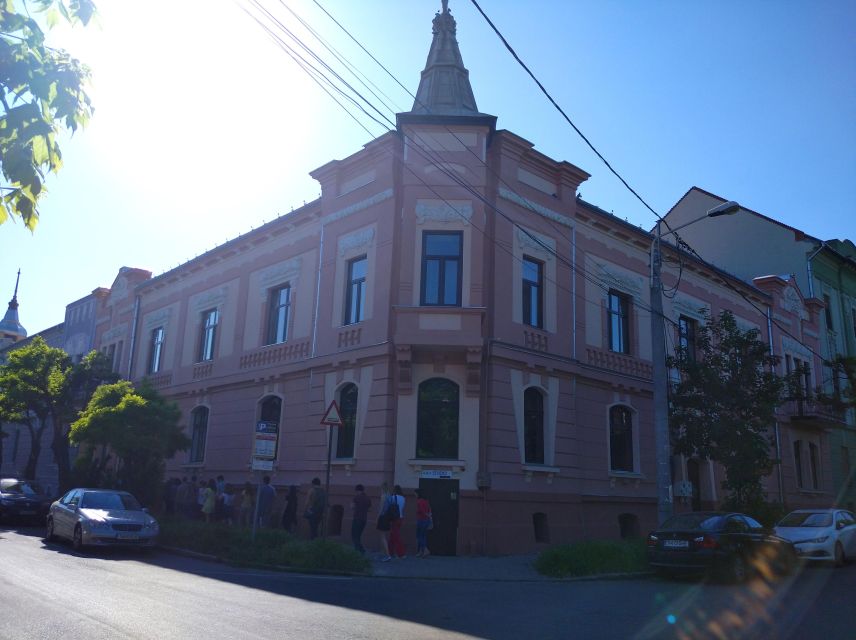
Elisabetin in Timisoara is interesting because it blends Art Nouveau Secession architecture with street-level stories from the Romanian Revolution era. I love the focused way the walk points out building details you would totally miss on your own, and I like that the route connects neighborhood squares to real moments in time, from the late 1800s onward.
This tour is rain or shine, and it is a mostly-on-your-feet experience. Food and drinks are not included, so plan on simple timing and pack what you need for a comfortable walk, especially if you get cold or sweaty easily.
Quick hits before you go
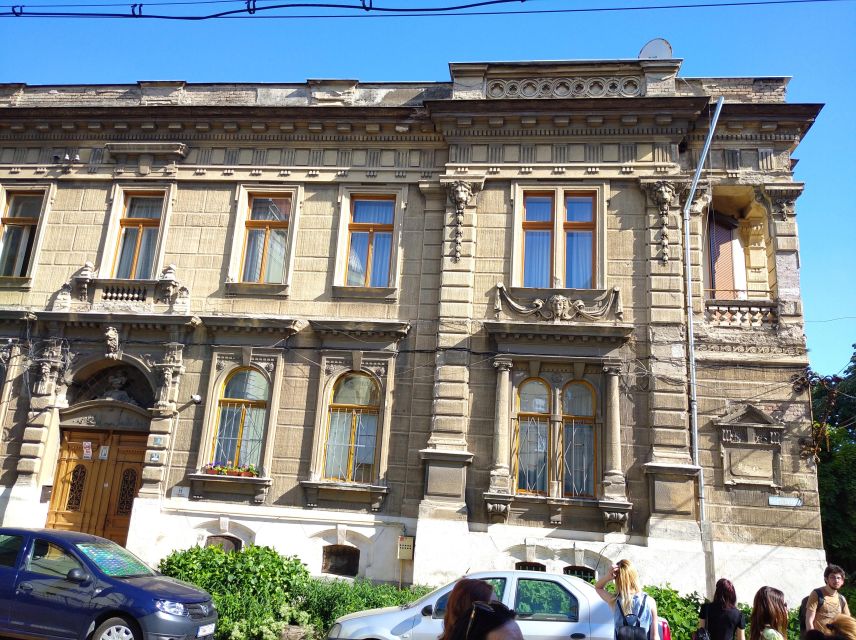
- Secession Art Nouveau, up close in a residential neighborhood, not just the usual postcards
- 1989 Romanian Revolution context tied to specific squares around Maria area
- Statues and architects matter here, including Gherghe Doja and Laszlo Szekely
- A walk with changing scenery, from quiet streets to parks, major boulevards, and churches
- Small extras included with flyers so you can remember what you saw
Where the tour starts: Elisabetin’s streets, guided
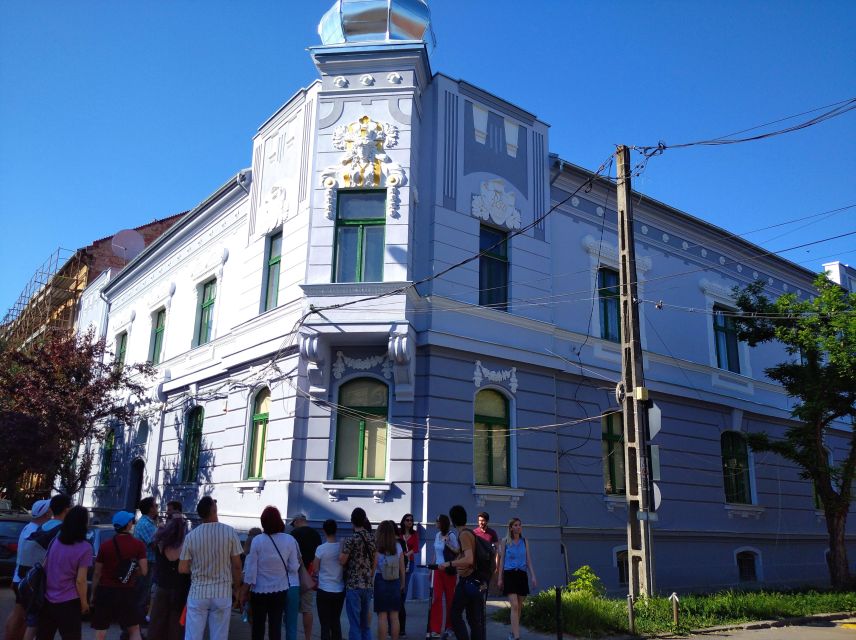
The Timisoara Dream Tour in Elisabetin is built for people who like cities that feel lived-in, not staged. You meet at Mocioni Square, and your guide wears a red coat, which makes it easy to spot everyone at the start.
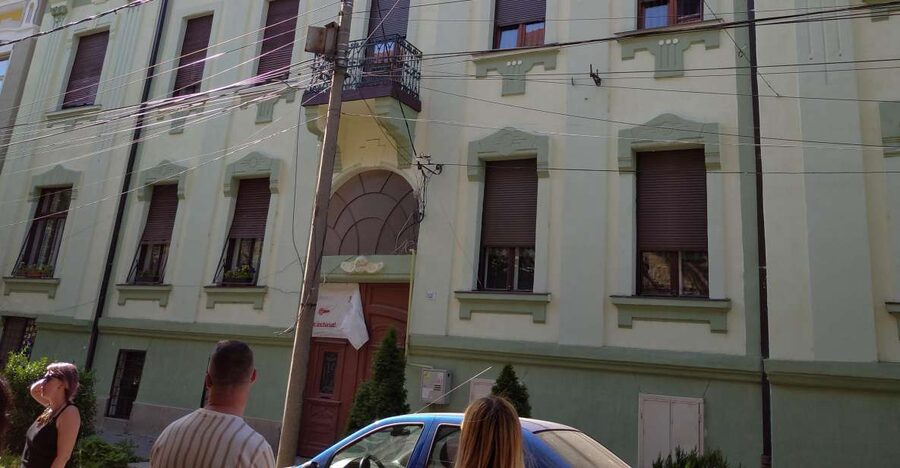
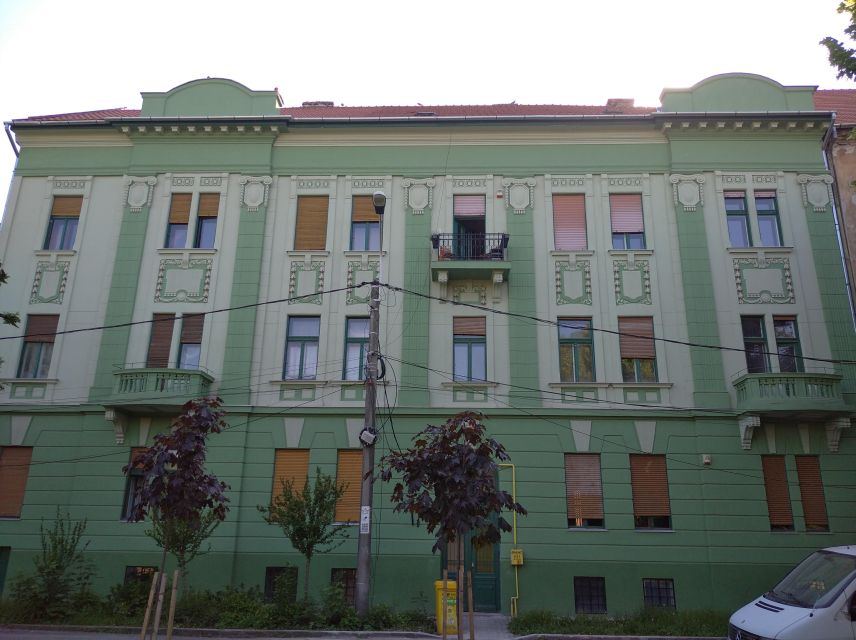
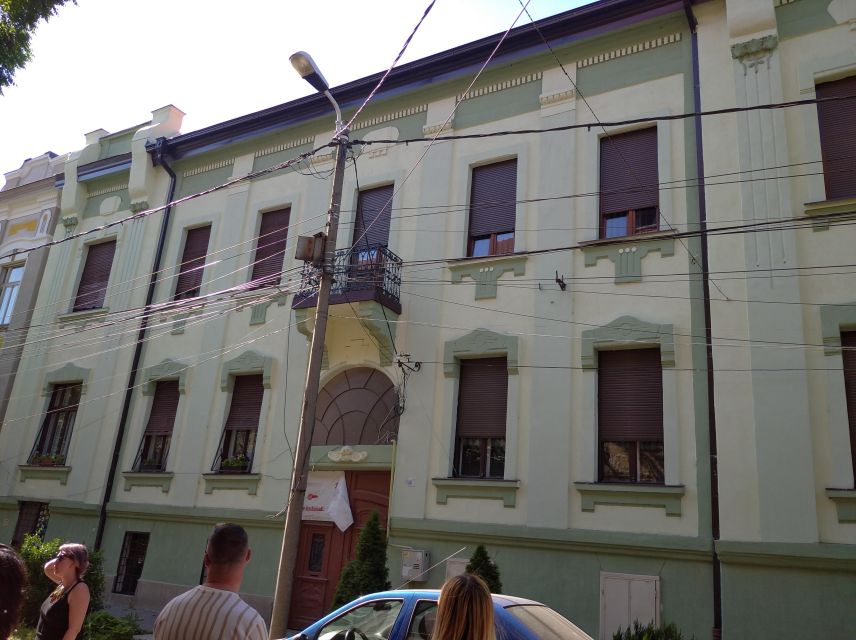
After that, you move into the Elisabetin area, where the big pay-off is that you are walking through a neighborhood with Art Nouveau style everywhere you look. This is not a “look up and take a photo” route, it is more about noticing how the details sit on the street.
Expect a steady pace across multiple stops, with short guided segments at each one. The full tour runs 2.5 hours, so it is long enough to feel like a real neighborhood introduction, but not so long that you will dread the finish line.
More Timișoara options to weigh up
- The Classic Tour of Timisoara
★ 5.0 · 154 reviews - Weekly Guided Tour in English – Tuesday, Thursday, Saturday
★ 5.0 · 84 reviews - Timisoara All in One – Walking and Tram Tour
★ 5.0 · 72 reviews
Art Nouveau Secession in Elisabetin, not just pretty façades
Elisabetin is described as quiet and refined, and you feel that quickly once you are among the decorated buildings. The architectural style here is Art Nouveau, specifically Secession style, and the guide’s job is to help you see what makes it different from generic “ornate.”
What I like about this approach is that it turns architecture into something you can read. Instead of treating buildings like background scenery, you learn what to look for as you pass: ornament placement, the way façades shape the street, and how these buildings create a distinct neighborhood identity.
This matters because Secession design can look similar at first glance. With a guide pointing out the patterns, you end up walking away with your own “spot it fast” ability, so you can keep noticing details even after the tour ends.
Maria Square and the 1989 Romanian Revolution story in real space
One of the strongest parts of this walk is how it grounds the Romanian Revolution of 1989 in physical locations. You start from the Maria area, and it is tied to the beginnings of the revolution, near the Protestant church.
This is valuable because it stops history from floating around as abstract facts. When you hear the story while standing near the place, the neighborhood becomes a living map of events, not just a pretty place to stroll.
You also get perspective on how the area functioned at the end of the 19th century, so the tour connects past and present. That blend makes the walk feel more like understanding a place rather than checking off a list.
If you are the type who likes history but gets bored with lectures, this format is a good compromise. Short stops, moving streets, and context tied to what is right in front of you.
Piața Alexandru Mocioni and Piața Sfânta Maria: the route finds its rhythm
The itinerary includes time at Piața Alexandru Mocioni and then Piața Sfânta Maria. Each stop is guided for about 20 minutes, which is long enough to pick up details and short enough to keep energy up during a walking tour.
At this stage, the tour is doing two things at once:
1) setting the neighborhood tone, and
2) building a narrative thread so later stops feel connected instead of random.
You will likely notice how quickly the character shifts from open square space to narrower streets, and that is exactly what this tour is designed for. You do not just look at buildings, you feel the urban shape they create.
Same base, a completely different day:
- Weekly Guided Walking Tour – Tuesday, Thursday & Saturday
★ 5.0 · 49 reviews - Day trip to Corvin Castle and Sibiu (and back) from Timisoara
★ 5.0 · 30 reviews - Timișoara Highlights – Walking Tour
★ 5.0 · 28 reviews - Danube Gorge & Banat Waterfalls
★ 5.0 · 27 reviews
Piața Plevnei: Art Nouveau style plus the statue of Gherghe Doja
Next comes Piața Plevnei, a focal point in the route. This square is described as having Art Nouveau decorations, and the centerpiece you will spend time on is the statue of Gherghe Doja in the middle of the space.
Squares like this are often where neighborhoods “stage” their identity. On a guided walk, you get more than the visual. You also get context for why these spaces are important, and how their layout, monuments, and surrounding buildings reinforce local memory.
The practical upside: it is a great place to pause and reset. Since you are moving through a residential area, a square break like this helps you stay engaged and not rush through the architecture.
Strada Gheorghe Doja: the street where the details keep paying off
After Piața Plevnei, you continue along Strada Gheorghe Doja for another guided segment. This is one of those parts where the tour stops you from doing autopilot streetwalking.
When you are on a street lined with decorated buildings, it is easy to keep scrolling with your eyes. A good guide helps you slow down just enough to notice how the Art Nouveau features repeat, change, and frame doorways and windows along the route.
In other words, you are not only seeing “a beautiful style.” You are learning how it behaves in everyday city life. That is when these neighborhoods start feeling real.
Carmen Sylva Park and the Greek-Catholic church, plus Laszlo Szekely
One of the most interesting stops is Carmen Sylva Park. Here you get two big attractions in one area: a new Greek-Catholic church and the statue of Laszlo Szekely, identified as the chief architect and the creator of modern Timisoara.
This stop is worth it because it connects architecture and planning with visible monuments. It is not only about ornament. It is about who designed the city and how that shows up in the spaces people use.
Also, a park stop gives your legs a little variety. You are still walking, but you break out of street canyons into an open area, which makes the whole tour feel less like a marathon.
Bulevardul Mihai Viteazu: Faculty of Mechanics and bigger-city scale
The tour then moves to Bulevardul Mihai Viteazu, including time near the Faculty of Mechanics. This part helps balance the neighborhood feel with a more institutional, city-scale atmosphere.
Even if you are mostly here for Art Nouveau and revolution stories, this segment is a useful reality check. It shows how Elisabetin connects to the wider Timisoara urban fabric, so your understanding of the neighborhood becomes more complete.
Think of it as the transition phase. After the quieter squares and decorated residential streets, the boulevard brings a different pace and texture.
Piața Bălcescu: Catholic church and the monastery setting
The tour ends with Piața Bălcescu, finishing at Piața Nicolae Bălcescu. At Piața Bălcescu, you will admire a catholic church and the monastery building located there, plus representative buildings on Mihai Viteazu Street and partly on Tudor Vladimirescu Street.
This is a strong closing note because religious and monastery settings often concentrate architectural meaning. You can compare how the style and symbolism of the neighborhood shows up in different building types, not only residential façades.
It is also a good place to wrap your head around what you learned. By this point, you have already seen Secession architecture, revolution-linked locations, and city-shaping figures. Ending at churches and monastery buildings makes the city feel coherent.
Price, pacing, and what $30 gets you in 2.5 hours
At $30 per person for a 2.5-hour guided walk, the value is best understood as time plus interpretation. You are paying for a guide who connects streets, squares, and architecture to events and people, including links to the 1989 revolution and references back to the late 1800s.
You also receive flyers with additional information. They are not a substitute for a guide, but they are handy for remembering names like Gherghe Doja and Laszlo Szekely after you leave the neighborhood.
A couple practical points that affect value for real life:
- Food and drinks are not included, so you need to plan your timing if you get hungry.
- It runs rain or shine, so you will want a weather-ready mindset.
- Luggage or large bags are not allowed, which means you should travel light.
For me, this price feels fair if you enjoy guided context. If you already know you want to explore Elisabetin at your own pace, you could do it independently, but you would lose the “how to read the neighborhood” part that makes this tour click.
Language, guide style, and getting the most out of a guided walk
The tour runs with a live guide in Romanian, English, and French. That matters because the subject is detail-heavy: Art Nouveau Secession design and specific historical references to revolution-era events.
The guide’s spoken stories and the stop-by-stop explanations are what turn the route into more than a pretty stroll. One of the best parts of the experience is simply having someone who can connect what you see on the street to why it matters.
To get the most from it, I suggest you treat the first 20 minutes as your calibration period. Once you understand what your guide wants you to notice, the rest of the walk becomes much easier to follow.
And yes, that red coat helps you stay with the group without constant checking.
Who this tour is best for (and who might want to choose something else)
This is a great fit if you:
- like Art Nouveau and want it explained where it actually lives
- enjoy history when it is tied to locations you can stand on
- want a structured walk that moves through squares, streets, a park, and end-at-church scenery
- travel with limited time but want more than a quick look
It might not be your best choice if you:
- hate walking for long stretches, even at a comfortable pace
- want food as part of the experience, since nothing is included
- show up with large bags, since they are not allowed on this tour
Should you book Timisoara Dream Tours’ Elisabetin Dream Tour?
Book it if you want Timisoara to feel specific, not generic. This walk is strongest when you care about how architecture, monuments, and real events connect, especially the Art Nouveau Secession details and the 1989 Revolution references in the Maria area.
Skip it only if you are not into guided interpretation or you cannot comfortably do a rain or shine outdoor walk for 2.5 hours.
If you are the kind of traveler who enjoys learning how to see a city, this is a solid, focused way to spend a half-morning or afternoon, and $30 feels like a reasonable exchange for guided storytelling plus flyers you can take with you.
FAQ
How long is the Timisoara Dream Tour in the Elisabetin neighborhood?
The tour lasts 2.5 hours.
How much does the tour cost?
It costs $30 per person.
Where do I meet the guide?
You meet at Mocioni Square. The guide will be wearing a red coat.
What languages is the tour offered in?
The live guide is available in Romanian, English, and French.
Is food or drinks included?
No, food and drinks are not included.
Does the tour run rain or shine?
Yes, it takes place rain or shine.
Is luggage or a large bag allowed?
No. Luggage or large bags are not allowed on this tour.
Latest reviews from around Timișoara
- Timisoara Downtown Dream Tour★ 5.0 · 5 reviews
- The Jewish Heritage Tour of Timisoara★ 5.0 · 9 reviews
- Day Trip to Turda Salt Mine and Corvin Castle from Timisoara★ 5.0 · 10 reviews
- Bite your way through Timisoara – Timisoara’s Street Food Tour★ 5.0 · 14 reviews
- Ecumenical Tour of Timisoara★ 5.0 · 15 reviews
- One Day in Transylvania – Departure from Timisoara★ 5.0 · 16 reviews
- The Grand Tour of Communist Ages at Timisoara★ 5.0 · 17 reviews
- Danube Gorge & Banat Waterfalls★ 5.0 · 27 reviews
Timișoara Tours, compared.
Weekly Guided Tour in English – Tuesday, Thursday, Saturday
Read our review →
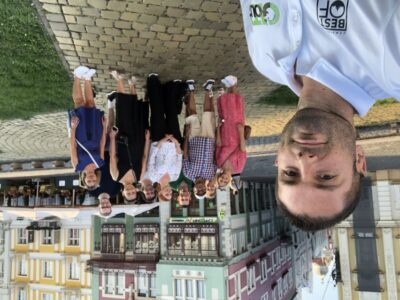
Weekly Guided Walking Tour – Tuesday, Thursday & Saturday
Read our review →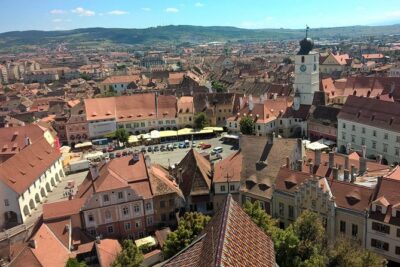
Day trip to Corvin Castle and Sibiu (and back) from Timisoara
Read our review →
Browse the lists this tour appears in