
Reviewed · COMMUNIST-ERA BUCHAREST
Bucharest Communism: From Lenin to Ceausescu
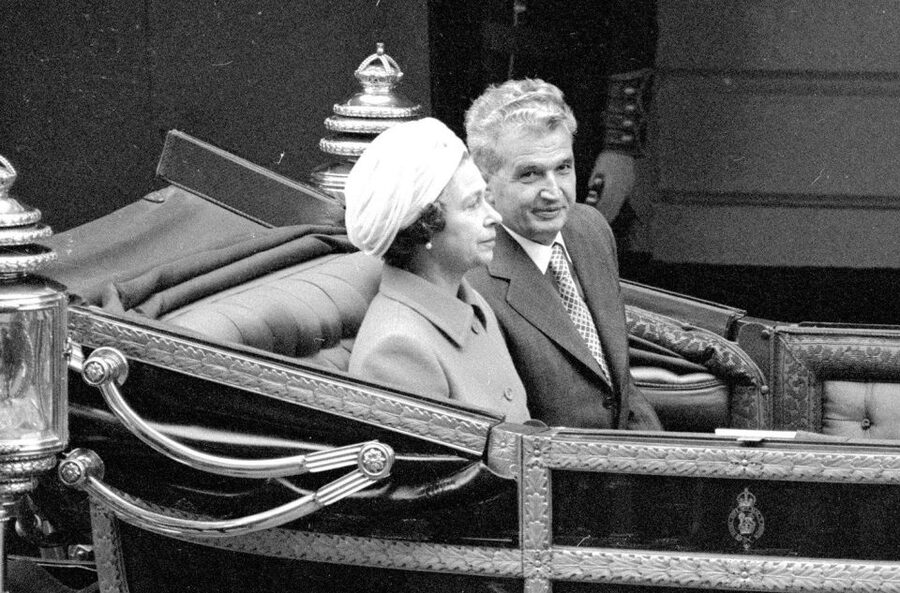
Bucharest has plenty of history, but this tour is special because it connects the big political showpieces to the real human cost. You’ll see the Palace of the Parliament rising out of devastation, then you’ll walk into the older Bucharest landmarks that communism tried to control. I especially like the way the guide explains the story clearly, with humor and plenty of time for questions, and how the route moves from philosophy and power to food rationing and fear. One drawback: it is heavy material, and the schedule is tight, so you will move briskly between stops.
If you get a guide like Horia or Alex, you’re in good hands. They tend to keep the pace lively, answer follow-up questions without batting an eye, and make the rise and fall of Ceaușescu feel like more than names in a textbook.
Key Things I Found Most Compelling
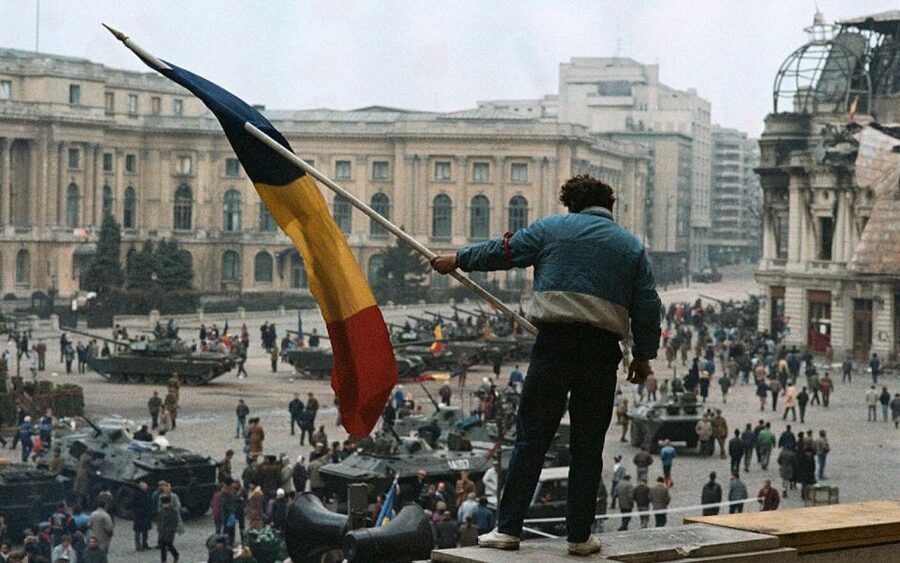
- The Palace of the Parliament as a symbol of dictatorship, built on the demolition of three neighborhoods and 40,000 households
- A clear timeline, from Lenin to Ceaușescu, including how ideology translated into everyday life
- Daily life details like ration-style calories and what a month of food could look like under the regime
- Religious and cultural stops (Antim Monastery, Patriarchal Cathedral, Romanian Athenaeum) that show what communism tried to manage
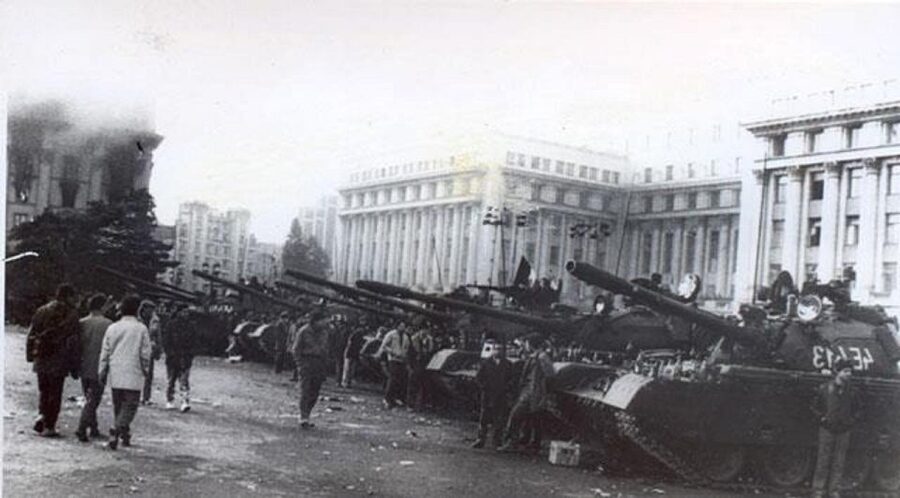
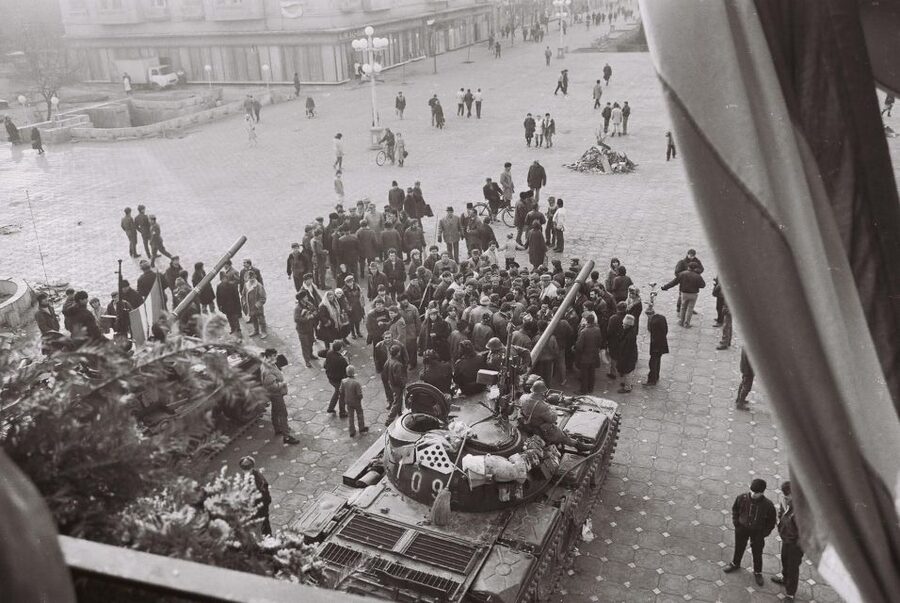
- Revolution Square as a dramatic ending, covering the final days, the trial, and the execution
Why This Bucharest Communism Walk Starts Where It Does
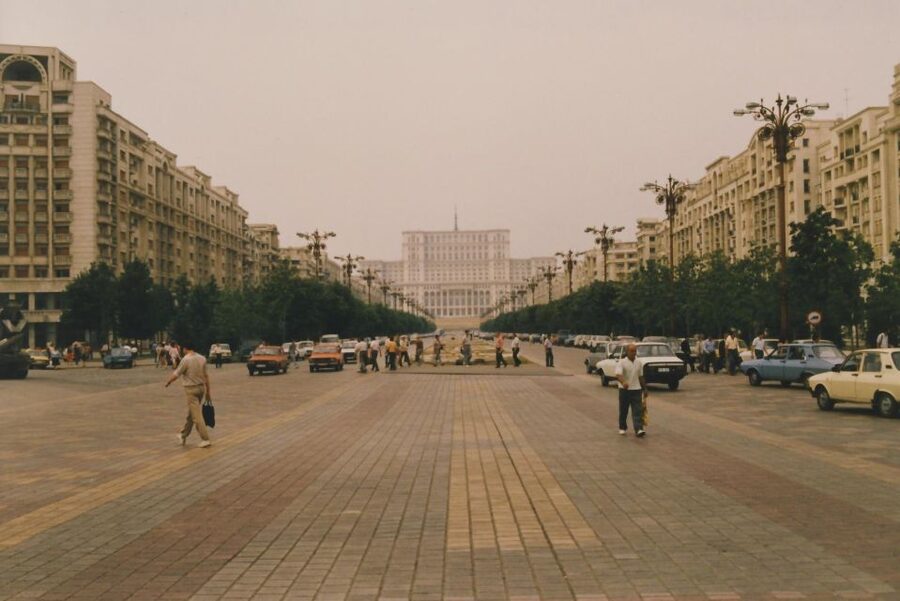
This tour begins on Bulevardul Unirii 5, on the kind of wide, official boulevards that communism loved. The point is not just logistics. The streets themselves help you understand how power wanted to look: big, straight, and impossible to ignore.
You start in the heart of the old socialist grand-plan area, often described as the stage for the final megalomaniac communist project. From the first block, the tour frames everything as cause and effect. Who had the authority, what they wanted the city to broadcast, and what they were willing to destroy to get it.
It also helps that you get a local guide. You are not just walking through monuments. You are listening to how the system worked, and how people lived inside it.
More of communist-era Bucharest:
- Bucharest: Communism and History Guided City Walking Tour
★ 4.9 · 918 reviews - The Real tour of Communism
★ 5.0 · 666 reviews - Life under Communism
★ 5.0 · 358 reviews
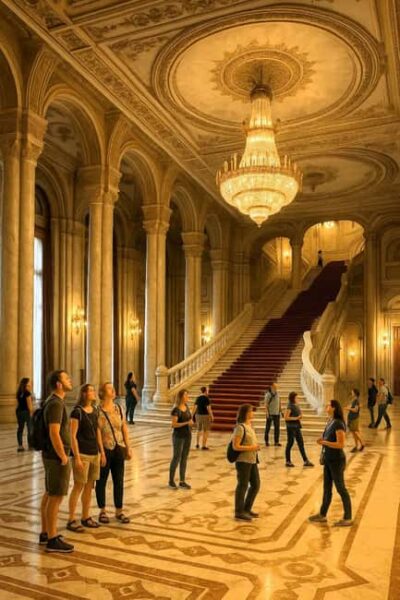
Palace of the Parliament: The Megabuilding Built on Real Damage
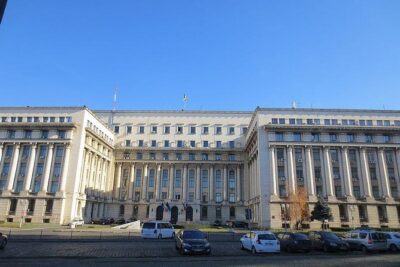
The standout stop is the Palace of the Parliament, sometimes discussed as the Chamber of Deputies Palace in the way the complex is explained on this route. You will get guided sightseeing here for about 20 minutes.
Here’s the key thing to notice: this is not a neutral landmark. It is an enormous symbol of political dominance. The tour’s framing leans hard into the human side of the building process, including the fact that three neighborhoods and 40,000 households were demolished. That one detail changes how you see the structure, even if you already know it is the second largest administrative building in the world.
Practical tip: this stop can feel almost surreal. Take a slow look at scale. Then listen for how the guide ties that scale to control, propaganda, and the kind of leadership that believed the city had to serve the leader first.
Antim Monastery and Patriarchal Cathedral, Bucharest Before the Party Line
After the political giant, the tour slows down and becomes more spiritual and architectural. You visit Antim Monastery for about 10 minutes, then move on to the Patriarchal Cathedral for about 20 minutes.
Why these stops matter on a communist-history tour: communism did not just change government. It tried to reshape culture, institutions, and daily belief. Monasteries and cathedrals are a reminder that Bucharest had strong roots before the one-party era, and that faith remained a parallel kind of identity.
Also, these visits help you balance the emotional weight. After hearing about surveillance and repression, the calm of a religious site gives you space to think.
Keep an eye on how your guide connects the dots. You might hear how the regime treated religious life, and how that pressure showed up in subtle daily realities, not just official policy.
Bucharest Fountains and Piața Unirii: Squares as Political Set Pieces
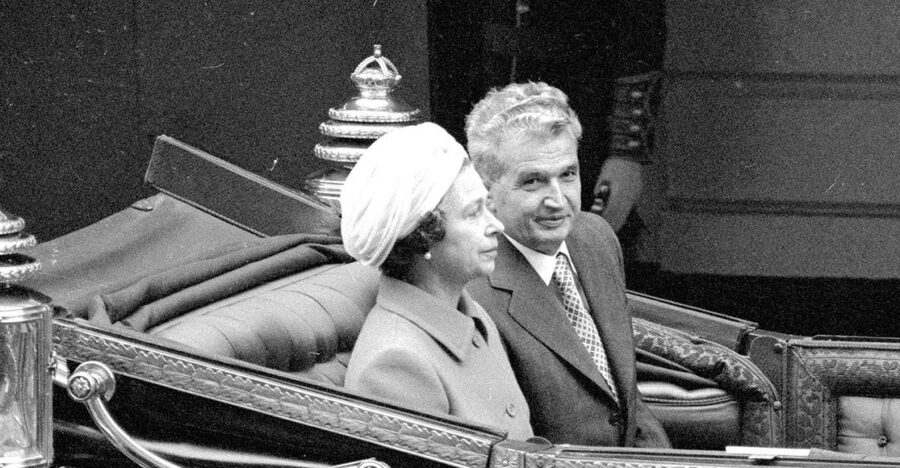
You will stop at Bucharest Fountains for around 5 minutes, then at Piața Unirii for another short 5 minutes.
These are brief segments, so your goal is not to study details like an art tour. Instead, think like the regime: public spaces were where people gathered, marched, watched, and absorbed messages. Communism loved scenes you could photograph and control.
Even in short time, it helps to notice the layout. Open squares and controlled sightlines create a kind of visibility. That visibility is power.
If you like walking tours that connect urban design to history, you’ll enjoy these quick hits. If you prefer deeper time at each site, you may feel the moments here are too short, but they still set the stage for what comes next.
More Bucharest options to weigh up
- Bucharest: Dracula’s Castle, Peles Castle, & Brasov Old Town
★ 4.5 · 17,858 reviews - Bucharest: Dracula Castle, Peles Castle & Brasov Old Town
★ 4.6 · 10,891 reviews - Bucharest: Dracula’s Castle, Peleș Castle & Brașov Day Trip
★ 4.4 · 6,100 reviews - Bucharest: Palace of Parliament Tickets and Guide
★ 4.3 · 3,182 reviews
Old Town, University Square, and the Royal Palace: From Monarchy to One-Party Rule
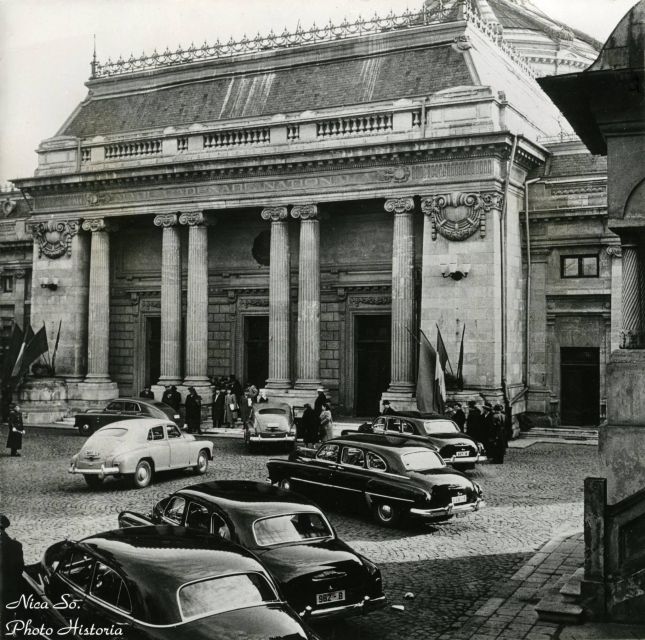
This part of the walk covers more classic Bucharest, with guided sightseeing and short walks at:
- Old Town (about 15 minutes)
- University Square (about 5 minutes)
- Royal Palace of Bucharest (about 10 minutes)
I like this sequence because it keeps you from thinking of communism as floating in from nowhere. The message you get is that Romania had earlier political layers, and the switch to communist rule was not a blank starting point. It was a replacement, including how public life was organized and what symbolism meant.
In these stops, listen for how the guide explains Ceaușescu’s rise in a society that had already been shaped by earlier eras. That matters because it makes his dictatorship feel less like a sudden horror movie and more like a political process.
Also, these are good breaks for your legs. By the time you reach the Royal Palace area, you have gotten the “big state” feeling earlier, and now you see the city’s older identity again.
Romanian Athenaeum: Culture, Prestige, and Control

The Romanian Athenaeum is another quick but important stop, with guided sightseeing for about 10 minutes.
This is where the tour becomes about more than rulers. Culture is part of the control system too. Even if the guide does not get overly technical, the tour’s topic makes the point clear: regimes want their message to feel permanent, and they often try to shape what society celebrates.
I find it useful to pay attention to how your guide links culture and politics. When you can explain power in one sentence, you understand the whole era better.
Revolution Square: Ceaușescu’s Last Days, Trial, and Execution
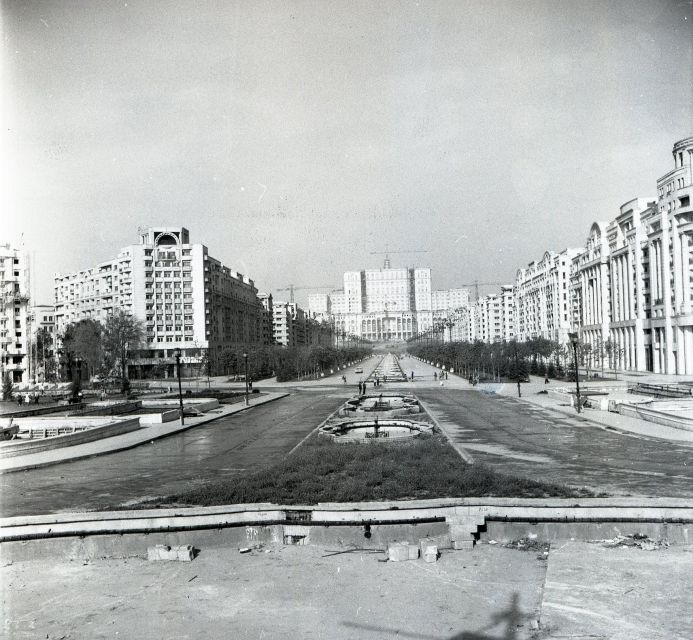
The tour ends at Revolution Square. Expect about 20 minutes here, plus guided storytelling built around the end of Ceaușescu’s regime.
This is the emotional climax. You’ll hear about Ceaușescu’s last days, the revolution, and the sequence that leads into the trial and execution. The tour also covers the idea that a group of agitators plotted the end of the regime, giving the final stage a human shape instead of treating it like a distant headline.
If you want to be mentally prepared, come with the understanding that this is not a “nice photo stop” ending. You are walking into a place where history turned violent, fast.
What the Guide Explains About Life Under Communism
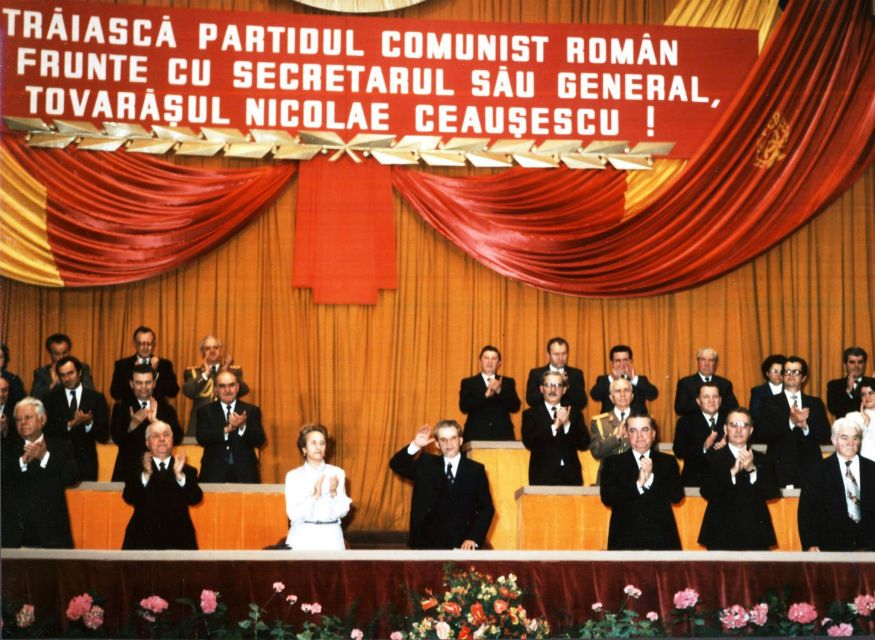
One reason this tour gets such high marks is that it does not stop at buildings. It teaches you what communism meant in the body, not just the government.
The tour includes details about ration-style living, including the claim of roughly 2,000 calories per day, with monthly allocations framed like 500 grams of cheese, 10 eggs, and 1.5 kilograms of meat. The point is not math homework. It is the atmosphere: controlled food, limited choice, and the need to navigate scarcity.
You also get the darker side of the system through the role of the secret police. The tour explains how fear reinforced obedience and how people learned to read the room fast.
Another part you should expect is the arc of Ceaușescu’s background and rise. The tour includes the basics of his early life and that his path leads toward 25 years of dictatorship, plus details like six years in prison. It helps the story land because it shows how personal history can feed a political style.
How Guides Like Horia and Alex Make It Work in 2.5 Hours
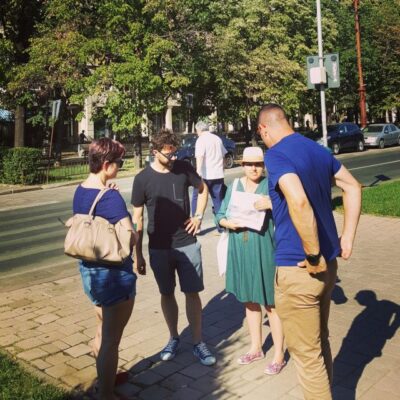
The strongest element here is the guide. The tour is short, so only good guides can keep it coherent, lively, and fair. This is where names like Horia and Alex come up often, because they tend to deliver the history with clarity, humor, and a real ability to handle questions.
If you like walking tours where you can ask follow-ups and actually get answers, this format fits. You also get a guide in English or Romanian, so you can choose the language that lets you follow every turn in the story.
Timing matters too. You are on the move for about 2.5 hours, with stop lengths ranging from 5 to 20 minutes. To keep the experience from feeling rushed, aim to arrive 10 minutes early and start with a calm mindset.
Price and Value for a Bucharest Communism Tour at $23
At $23 per person for 2.5 hours, the value comes from three things:
- You get a local guide, not just a generic audio format
- The route compresses major “state power” sites and older cultural anchors into one walk
- You get context that helps you interpret what you are seeing, especially at the Palace of the Parliament and Revolution Square
Entrance tickets are not included, and food and drinks are not included either. That is normal for walking-based tours in the city. The big win is that you are not paying extra for every stop to “make it worth it.” You are paying for the story and the interpretive walk.
If you are planning to spend time at museums separately, build that into your day. This tour is designed as a focused historical thread, not an all-day ticket package.
Who This Tour Suits Best
This is a great fit if you want political history with real-world texture. You’ll probably enjoy it most if you:
- Like understanding dictatorships through both power and daily life
- Want a walk that connects ideology to scarcity, surveillance, and fear
- Enjoy guides who keep the conversation moving and answer questions
It may feel less satisfying if you only want architecture and photos, because the tour places heavy emphasis on communist rule, repression, and the end of Ceaușescu.
Should You Book This Communism Tour in Bucharest?
I think this one is worth booking if you want your Bucharest to have teeth. The mix of the Palace of the Parliament, older religious and cultural landmarks, and a final stop at Revolution Square creates a strong narrative arc. You will leave with a clearer sense of how Lenin-era ideology evolved into Ceaușescu-era control, and what that control did to ordinary life.
If you are sensitive to dark history, pace yourself mentally. But if you can handle the topic, this tour offers strong value for time, and the guide quality is a major reason it earns consistently high ratings.
FAQ
Where does the tour meet?
Meet next to the Coffee shop Constitutiei, at Bulevardul Unirii 5.
How long is the Bucharest Communism tour?
It lasts about 2.5 hours.
How much does it cost?
The price is $23 per person.
What languages are available?
The live guide offers English and Romanian.
What is included in the price?
A local guide is included.
Are entrance tickets included?
No, entrance tickets are not included.
What should I bring or plan for?
Food and drinks are not included, so plan accordingly.
What is the cancellation policy?
Free cancellation is available up to 24 hours in advance for a full refund.
Latest reviews from around Bucharest
- LiBEARty Brown Bear Sanctuary and the most important castles from Romania★ 5.0 · 4 reviews
- Bucharest Private Tour with Dracula’s Grave and Ceaușescu Mansion★ 5.0 · 4 reviews
- Hike Bulgaria Love Swing, Veliko Tarnovo and Tarevet Fortress★ 5.0 · 4 reviews
- Hiking in Bucegi Mountains in the Carpathians, Private tour★ 5.0 · 4 reviews
- Dracula Experience In Transylvania★ 5.0 · 4 reviews
- Bucharest Sightseeing – Half-Day Private Tour★ 5.0 · 4 reviews
- Bison Sanctuary, Vlad the Impaler Princely Court & Dracula Grave★ 5.0 · 4 reviews
- Private 6-Day Dracula Tour in Transylvania from Bucharest★ 5.0 · 4 reviews
Communist-Era Bucharest, compared.

Bucharest: Communism and History Guided City Walking Tour
Read our review →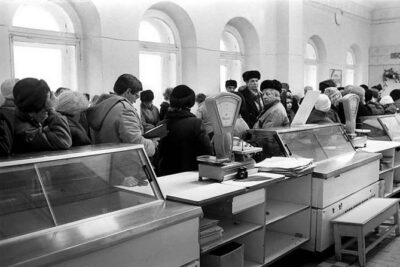
Bucharest: Parliament, Ceausescu House & Village Museum Tour
Read our review →
Bucharest Essential Tour: Old Town, Calea Victoriei & Communism
Read our review →
Communism in Bucharest – Landmarks, Museum & Communist Appetizers
Read our review →
Palace of Parliament, Ceausescu House & Village Museum
Read our review →Browse the lists this tour appears in