
Reviewed · COMMUNIST-ERA BUCHAREST
Bucharest: Dinner+Tour at Museum of Communism after closing
Walking into the Museum of Communism in Bucharest is one thing. Getting to eat and drink inside the museum after it officially closes is a different level. I love that the meal happens in the museum itself, on old communist-era plates and cups, not in some separate restaurant. I also like that you get time to touch and interact with exhibits after closing, with the guide keeping the story personal. One consideration: the experience is not suitable for wheelchair users, so expect a fair amount of walking and standing.
This is the kind of tour where the facts matter, but the human details do the heavy lifting. Guides I’ve seen listed in bookings include Octavia, Ali, Ana, Catalina, and Katerina, and the common thread is how they mix the official timeline with family anecdotes that make the era feel real instead of textbook.
The dinner side is also built in a very practical way: you start with a drink at the museum café-bar, then you eat a themed Romanian meal with the guide explaining what you’re tasting and why those foods fit communism-era life. If you have dietary needs, you’ll want to flag them in advance, since the included courses are fixed.
Key things I’d plan around before you go
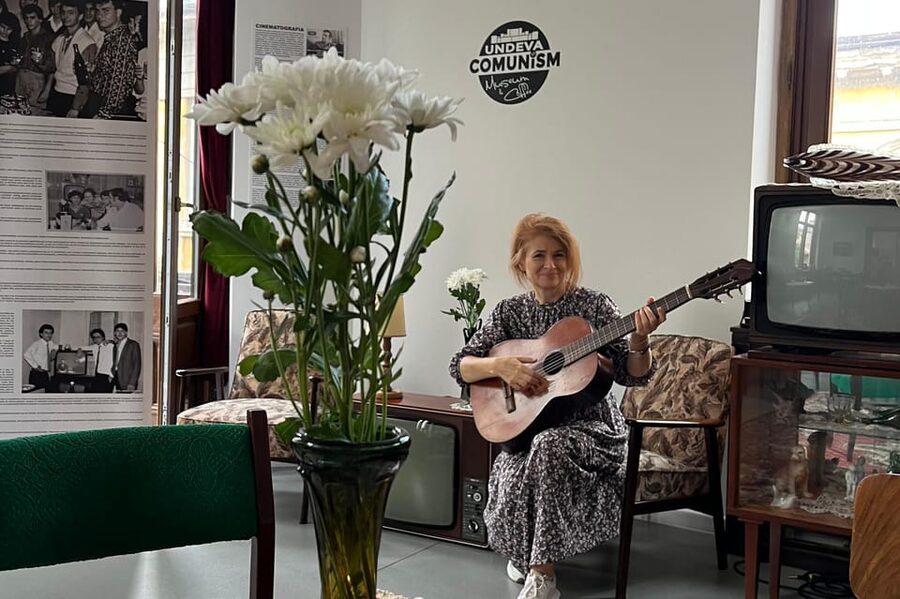
- Dinner inside the museum using communist plates and cups, not a separate venue
- Palinka or cherry liqueur (plus water, soda, or espresso) right when you arrive at the café-bar
- Museum time after closing, so you can interact with objects without feeling rushed
- A guide-led mix of history and family stories, including the international context that shaped Romania’s communism
- A full themed meal plus dessert, with Romanian starters, a varied main dish, and homemade sweets
- Small, intimate pacing, with the museum space effectively yours to explore as a group
First bite and first drink: arriving at the museum café-bar
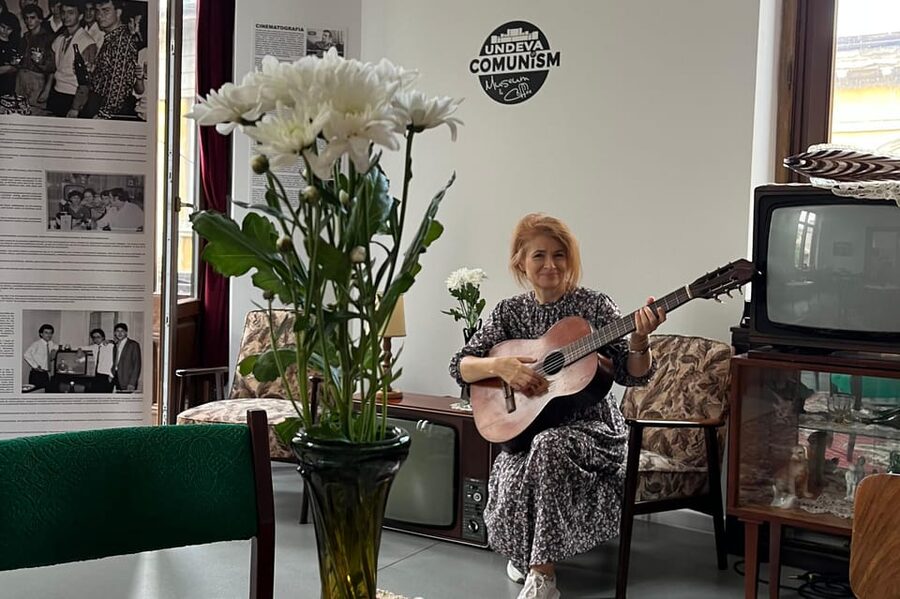
This tour starts at the museum’s café-bar. When you show up, you go in directly and let the bar staff know your reservation. From there, the experience kicks off in a way that feels more like a host welcoming you than a ticket check.
You’re offered a glass of traditional palinka or cherry liqueur, along with a choice of water, soda, or espresso. It’s a simple start, but it matters. It sets the tone early, and it also helps you settle into the museum atmosphere before the guide starts the full history arc.
One smart move for your comfort: treat that first drink as part of the evening plan, not an add-on. The tour includes more alcohol later, so if you prefer less, you can choose a soft drink early and slow down. The bar also lets you buy more drinks during the tour, but only the included ones are counted in the price.
After your welcome drink, the guide begins with context. You start with the international background that helped communism take shape in Romania, then you get a timeline and the broad outlines of the era. It’s not just dates. The guide builds cause and effect so the exhibits later make more sense, even if communism is a topic you only know in broad strokes.
More of communist-era Bucharest:
- Bucharest: Communism and History Guided City Walking Tour
★ 4.9 · 918 reviews - The Real tour of Communism
★ 5.0 · 666 reviews - Life under Communism
★ 5.0 · 358 reviews
The guided history: how facts get tied to everyday life
The museum tour is guided start to finish. It’s structured to alternate between historical facts and personal stories and anecdotes shared by the guide. In other words, you’ll hear the official narrative, then you’ll hear what it meant at the household level.
Guides mentioned in bookings include Octavia, Ali, Ana, Catalina, and Katerina, and that variety is part of why this experience feels lively. The museum is the same. The approach changes. In the best tours, the guide’s stories become a second set of exhibits you carry with you as you walk room to room.
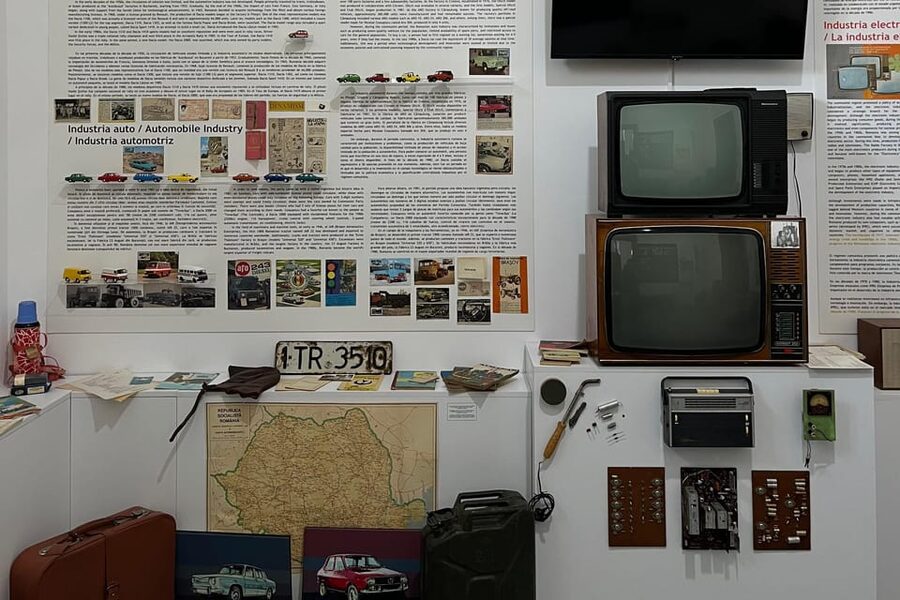
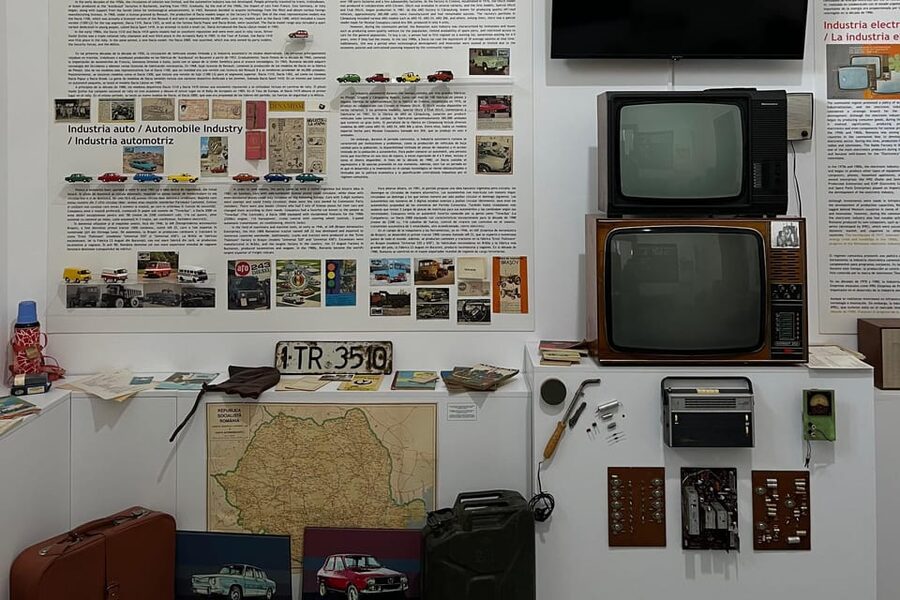
As you go through the museum, you should expect interactive stops. The museum is designed for more than looking. You’ll have chances to engage with objects and details instead of only reading panels. The tour language is English, which is a relief if you’re visiting from the UK, US, France, Canada, or anywhere else where English support is a must.
This is also where you’ll learn about how life shifted during communism and specifically how Romanian gastronomy changed through that period. Food is treated like a lens. Instead of saying communism affected everything in vague terms, the guide shows you how everyday cooking and eating reflected shortages, routines, and local traditions that people kept alive anyway.
The museum after closing: your chance to touch, try, and listen
A big reason this tour gets such strong reactions is the timing. You’re not just inside during normal hours. You get access to the interactive space after the official closing.
Practically, that means less pressure and more room to wander. You’re not fighting the clock between other groups. You’re guided through the core exhibits, and then the evening opens up into hands-on play.
In the interactive portion, you can:
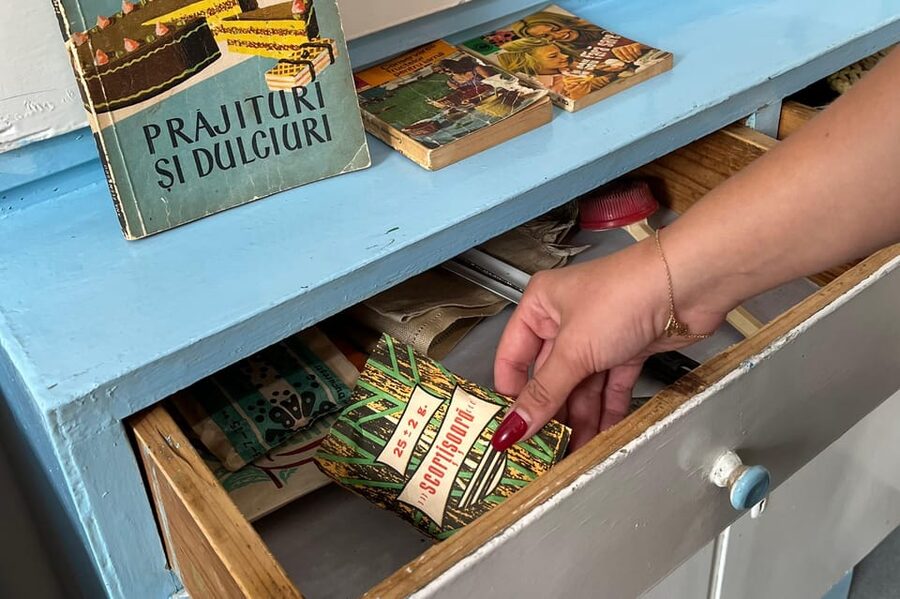
- try on vintage clothes
- listen to music on a pick-up and cassette
- go through secret drawers
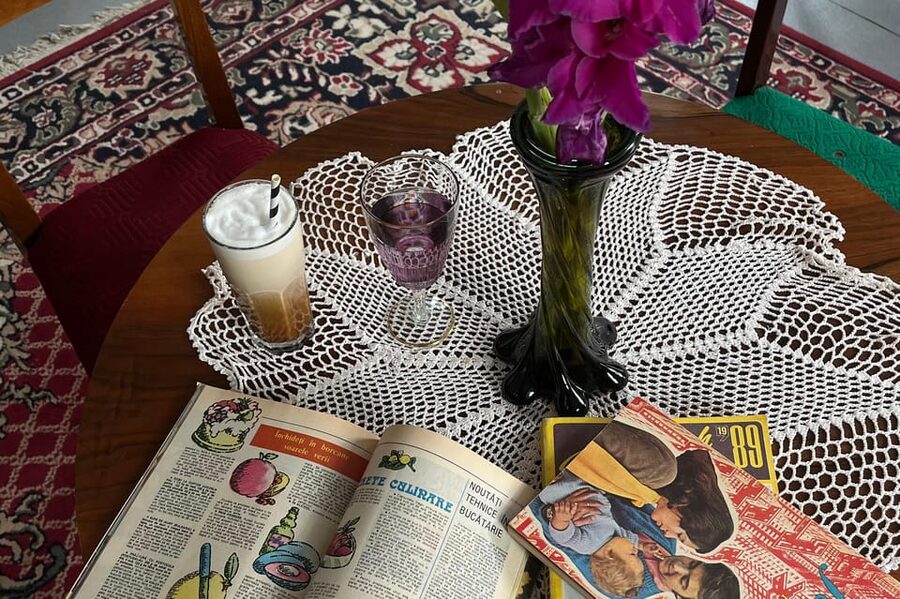
These are the details that make the museum feel like a time capsule you can use, not a glass case you only stare at. And because your group has the space for this stretch of the evening, it feels less like a museum visit and more like stepping into a recreated home atmosphere.
Keep in mind one pacing point. You’re doing history and then dinner, then history-adjacent interaction again. If you’re the type who gets tired after museums, plan to pace yourself with conversation and a slower bite during dinner.
The thematic dinner: what you eat and why it fits the story
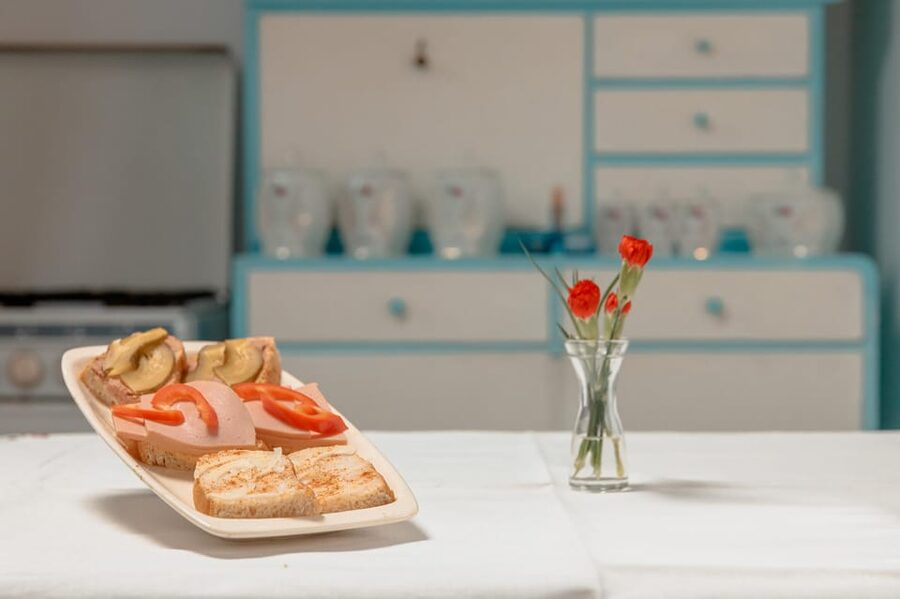
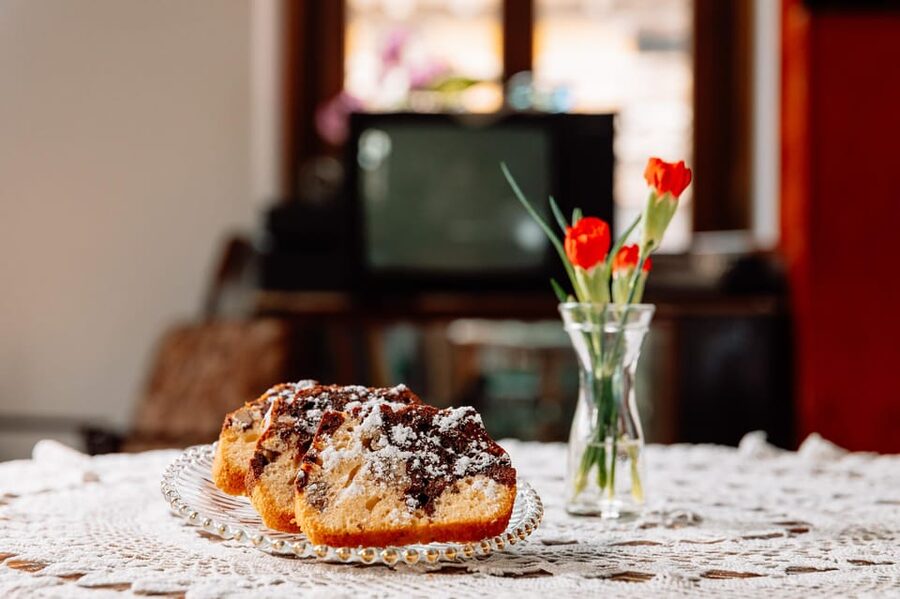
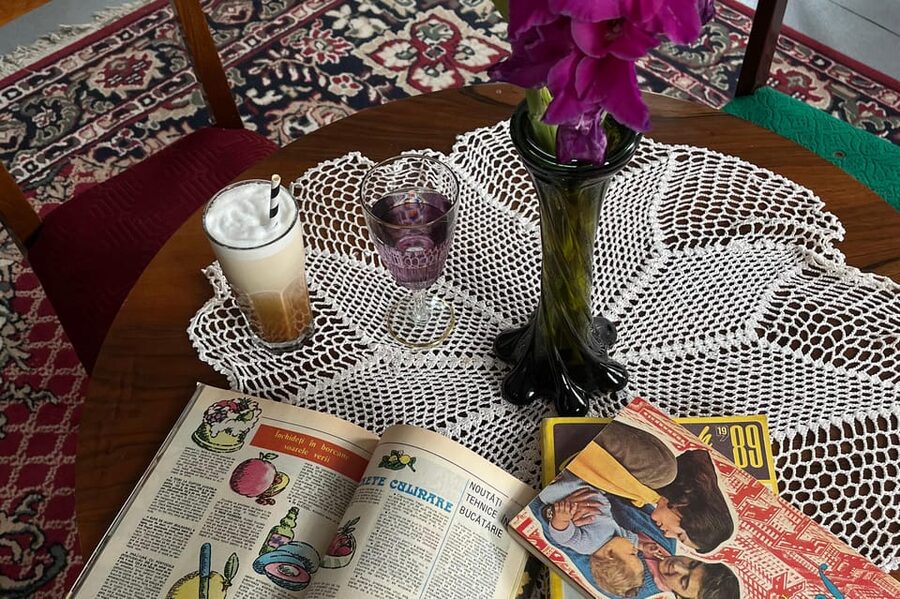
The dinner is served in the museum living room. This is where the tour’s concept becomes very literal. You’ll dine inside the museum itself, on old plates and cups from communist times. It’s not a gimmick in the sense of the museum pretending to be something else. It’s part of how the evening links setting to experience.
The themed dinner includes:
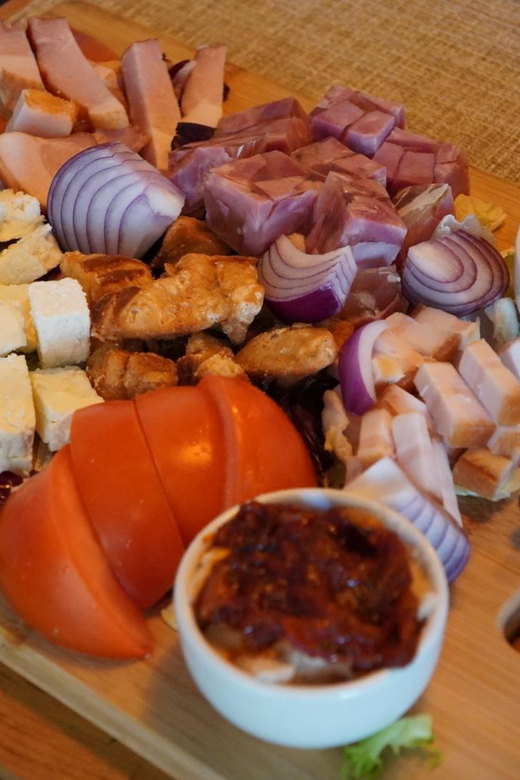
- starters: cold meats, cheese, and vegetable spreads, all Romanian classics
- a main dish: varied depending on availability
- sweets: homemade-style desserts, not the typical restaurant sweets
- drinks: one soft drink, one traditional liquor, and one alcoholic drink (beer or one glass of wine)
Other drinks are available at the bar if you want them, but they’re purchase-only beyond what’s included.
The guide also explains the origin of the food and how it is traditionally cooked. That’s important because it keeps you from treating the meal like only a performance. You should leave understanding what you ate and where it sits in Romanian food culture, even if the communist-era angle is the headline.
What I like about how this meal is structured is the balance between familiar and era-specific. Cold meats and cheese are not hard to imagine, even for people who don’t know Romanian cuisine. The spreads and sweets help you taste the everyday side. Then the main dish, depending on availability, gives the guide a chance to connect cooking methods to the period.
Portion-wise, the feedback I’ve seen consistently points to it being plentiful. That matters for value in Bucharest. A museum ticket plus a decent dinner can easily add up fast when bought separately, and here the price includes the museum entry and the guided dinner.
Dietary note: you should mention dietary restrictions when booking. The tour data makes it clear the operator needs this information up front, which is the only safe way to handle substitutions.
More Museums in Bucharest
- Bucharest: Museum of Senses Entry Ticket
★ 4.2 · 364 reviews - Bucharest: Parliament, Ceausescu House & Village Museum Tour
★ 5.0 · 208 reviews - Communism in Bucharest – Landmarks, Museum & Communist Appetizers
★ 5.0 · 111 reviews - Bucharest: Entry ticket at the Museum of Communism
★ 4.6 · 57 reviews
Dessert and conversation: using food to ask better questions
Dessert happens as part of the same dinner flow. Since the sweets are described as more typical homemade-style desserts, you’ll likely taste things that don’t look like the usual cake or pastry you’d order elsewhere in Bucharest.
One underrated benefit of this format is that dinner creates a natural pause for questions. During dinner and after, you can ask the guide about curiosities regarding Romanian culture, daily life under communism, and even the way food habits shifted.
This is where the guide’s personality shows. Many booking comments highlight how friendly and engaging the host is, and how enjoyable conversation can continue after the main guided portion. You’re not stuck standing with a group waiting to move on. The dinner gives the guide time to answer and the group time to talk.
If you want to get the most out of it, come ready with a few questions that aren’t just factual. Ask how people kept traditions alive, how rationing or scarcity changed what ended up on tables, or how those changes influenced later Romanian cooking.
Value in real terms: why $55 can feel fair
The price is $55 per person for 2.5 hours, and it includes:
- museum ticket
- guided tour in English
- starters, main, and sweets
- one soft drink, one traditional liquor, one alcoholic drink
- access to the interactive museum experience after closing
In Bucharest, that package can be excellent value because it bundles several costs you’d otherwise have to coordinate: admission, a guided visit, and a sit-down meal. You also avoid the friction of finding a late dinner after a museum. The tour is timed to turn the museum visit into an evening event.
Two practical value points:
- You’re getting a full guided experience, not just entry. That’s the part that turns the museum from information into understanding.
- The meal is served in the museum setting, so the experience includes atmosphere, not just food.
The main drawback for value isn’t price. It’s fit. If you don’t want to spend a couple hours with heavy history, or if you can’t manage standing and walking, you may prefer a different style of Bucharest evening.
Who should book this Bucharest dinner-and-communism tour
This is best for people who want more than a quick museum stop. If you like interactive learning, guided storytelling, and food-as-culture, you’ll probably enjoy this a lot.
You’ll get the most from it if you:
- enjoy Romanian history and want the personal angle
- like learning through objects you can actually handle or test
- are curious about how daily life and gastronomy shifted during communism
- want a guided English evening that runs about 2.5 hours
It’s not a fit if you need wheelchair accessibility, since it’s listed as not suitable for wheelchair users.
Also, if you avoid alcohol entirely, this might still work, but you should treat the first palinka or cherry liqueur offer and the included alcohol as something you’ll want to manage carefully. The included drinks are part of the package, so plan your choices accordingly.
Should you book it?
I think it’s a strong yes for most visitors to Bucharest who want a memorable, well-paced evening. You’re paying for a clear concept: dinner inside the Museum of Communism, with authentic-era tableware, plus guided history, plus interactive time after closing. That combination is rare, and it’s exactly why so many people rate the experience highly.
Book this if you want:
- a guided English tour that mixes the official story with family anecdotes
- a chance to taste Romanian flavors through the lens of communism-era life
- hands-on museum moments like vintage clothes, cassette music, and secret drawers
Skip it if:
- standing and walking are difficult for you
- you want a light, purely sightseeing evening rather than history with personal stories
If you do book, tell them about dietary restrictions early, and go in hungry. This one is built to feed you, inform you, and let you play inside the story.
FAQ
What is the duration of the Bucharest Museum of Communism dinner tour?
The tour lasts about 2.5 hours.
Where do I meet the tour group?
Enter directly and inform the staff at the bar about your reservation.
Does the tour include admission to the Museum of Communism?
Yes. The ticket to the Museum of Communism in Bucharest is included.
What food and drinks are included with the dinner?
You’ll get starters (cold meats, cheese, and vegetable spreads), a main dish (varied depending on availability), and sweets. Drinks included are one soft drink, one traditional liquor, and one alcoholic drink (beer or one glass of wine).
Are there any additional drinks I can buy during the tour?
Yes. Other drinks are available at the bar and can be purchased during the tour.
Is the tour suitable for wheelchair users?
No. It is not suitable for wheelchair users.
Is the guide English-speaking?
Yes. The live tour guide is English. The tour also notes dietary restrictions should be mentioned ahead of time.
Latest reviews from around Bucharest
- LiBEARty Brown Bear Sanctuary and the most important castles from Romania★ 5.0 · 4 reviews
- Hike Bulgaria Love Swing, Veliko Tarnovo and Tarevet Fortress★ 5.0 · 4 reviews
- Bucharest Private Tour with Dracula’s Grave and Ceaușescu Mansion★ 5.0 · 4 reviews
- Hiking in Bucegi Mountains in the Carpathians, Private tour★ 5.0 · 4 reviews
- Dracula Experience In Transylvania★ 5.0 · 4 reviews
- Bucharest Sightseeing – Half-Day Private Tour★ 5.0 · 4 reviews
- Bison Sanctuary, Vlad the Impaler Princely Court & Dracula Grave★ 5.0 · 4 reviews
- Private 6-Day Dracula Tour in Transylvania from Bucharest★ 5.0 · 4 reviews
Communist-Era Bucharest, compared.

Bucharest: Communism and History Guided City Walking Tour
Read our review →
Bucharest: Parliament, Ceausescu House & Village Museum Tour
Read our review →
Bucharest Essential Tour: Old Town, Calea Victoriei & Communism
Read our review →
Communism in Bucharest – Landmarks, Museum & Communist Appetizers
Read our review →
Palace of Parliament, Ceausescu House & Village Museum
Read our review →Browse the lists this tour appears in