
Reviewed · COMMUNIST-ERA BUCHAREST
Bucharest: Private Last Days of Ceausescu Tour in a Dacia
What makes this experience so gripping is the way it turns Bucharest and the road toward Târgoviște into a moving story of power lost in a single day. You start in Revolution Square, then follow the outline of Ceaușescu’s last hours, ending with a guided visit to his private presidential residence, Palatul Primăverii.
I love two things most. First, you get to travel by a fully restored vintage Dacia, which makes the political history feel physical, not distant. Second, the tour is led by an English guide, and the name Serban shows up as a standout guide who explains the details in a friendly, professional way.
One possible drawback: you are in the car for a long stretch of driving, about 180 km total, and the emotional content is heavy. Also, the building tied to the execution is not accessible inside due to renovation, so you will mostly see it from outside or in the areas that are open.
Key things to know before you go
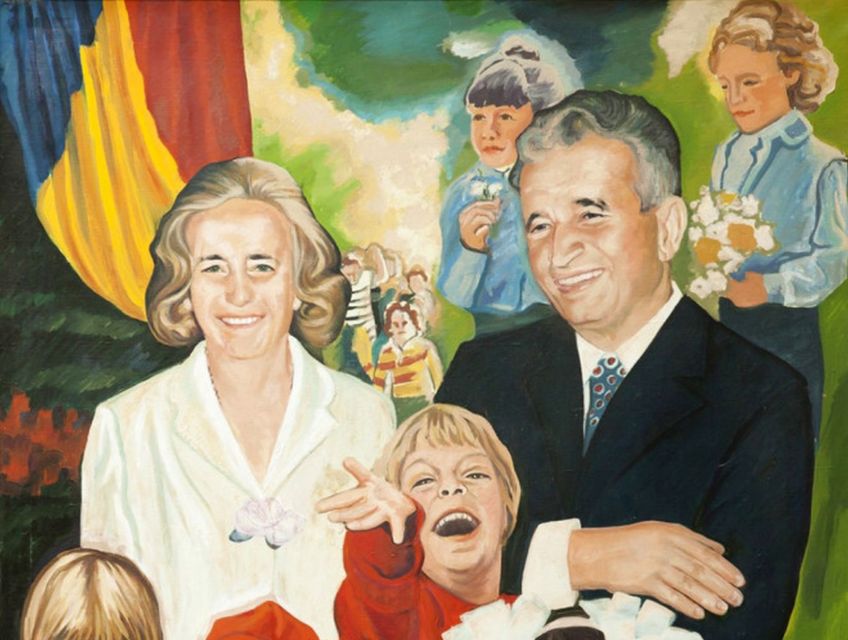
- A private Dacia ride through the Ceaușescu endgame that follows the 22nd to 25th of December 1989 timeline in real streets and roads
- Revolution Square as a start point for the story of how communism began and ended in Romania
- Stops tied to the helicopter escape and the Dacia run after Ceaușescu abandons the helicopter
- Museum and guided visits including the Ceausescu Last Hours Museum and House of Ceaușescu
- A guided visit to Palatul Primăverii with tickets included
- Execution-site interior not open because of renovation, so plan for limited access there
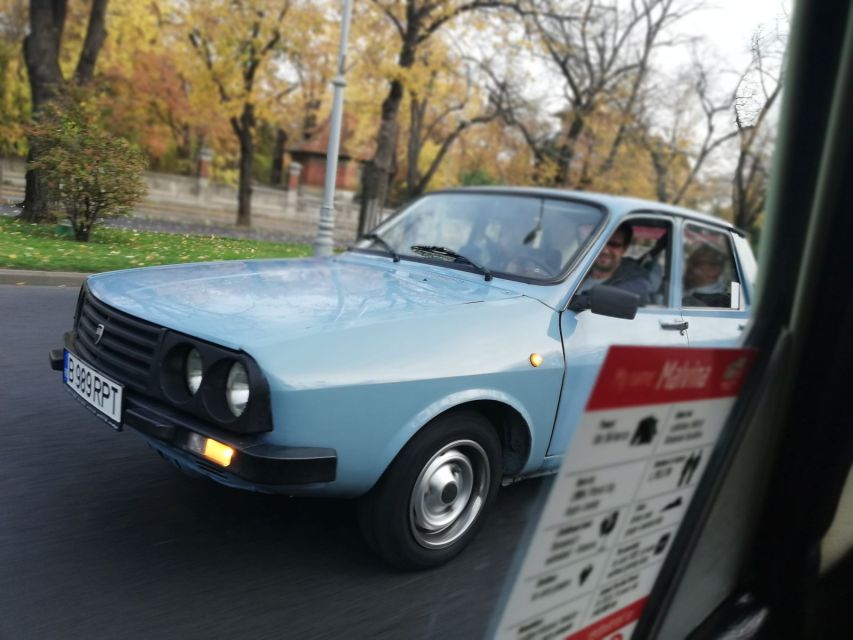
A classic Dacia tour that tracks Ceaușescu’s last hours in motion
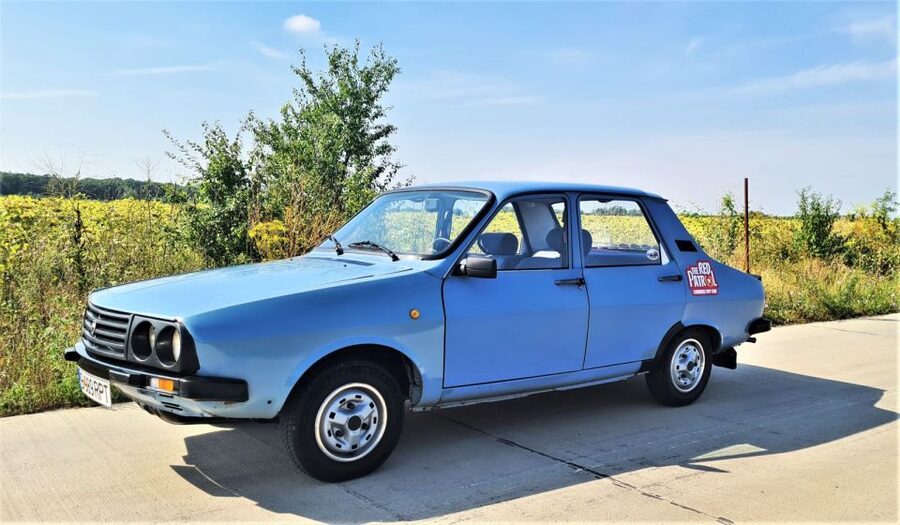
This is not a museum-only day. It is a route day, built around the dramatic final timeline of Romania’s December 1989 events. You ride a restored Dacia through Bucharest and then out toward Târgoviște, following a narrative path that connects street locations to the moments that changed everything.
The best part is that the tour mixes three modes of learning. You get photo stops for orientation. You get short, guided stops where context matters. And you get a guided interior visit at Palatul Primăverii, where you can shift from street-level storytelling to the personal side of what power looked like behind closed doors.
If you want history that stays seated inside a classroom, look elsewhere. If you like your history with geography, this style works well because you keep moving while the story moves with you.
More of communist-era Bucharest:
- Bucharest: Communism and History Guided City Walking Tour
★ 4.9 · 918 reviews - The Real tour of Communism
★ 5.0 · 666 reviews - Life under Communism
★ 5.0 · 358 reviews
The 22nd to 25th of December timeline, simplified for the road
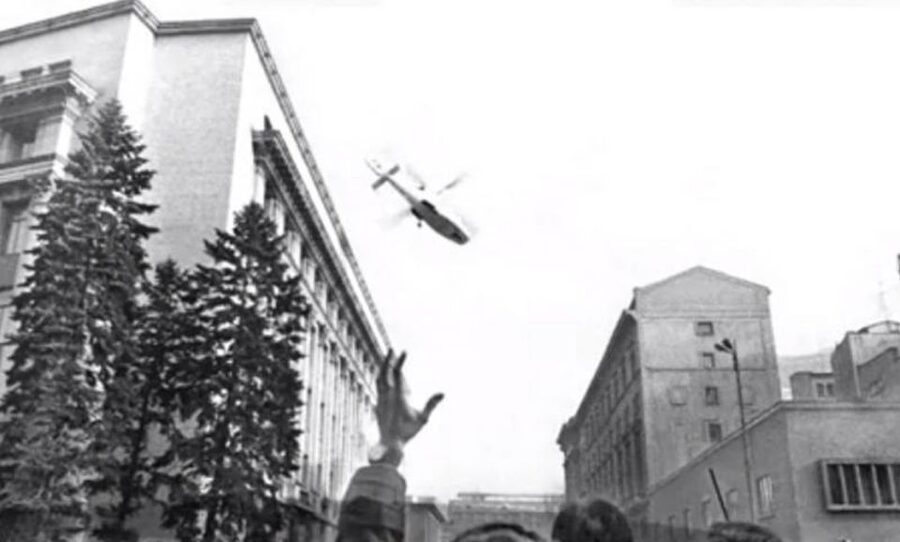
The tour’s story is built around one central sequence: on 22 December 1989 at 12:07, Nicolae Ceaușescu and Elena Ceaușescu run with a helicopter escape from the roof of the Communist Party headquarters area, leaving behind a city surrounding the building. The plan is to regroup and fight back to keep control, so the escape does not end with the helicopter. The day continues with an attempt to rally support, including an effort to reach working class and the army.
Later that same day, Ceaușescu is captured near Târgoviște. Then the route of the tour reaches the end of the story tied to his detention, judgment, and execution, which happened on 25 December 1989.
On the ground, the tour compresses that timeline into a half-day route: you cover about 90 km toward Târgoviște and back. That equals the 180 km driving total in the classic car. The message is clear: this is geography-as-evidence, not just background.
Revolution Square: where you start the story of Romania’s turn
Most Bucharest sightseeing starts with grand architecture. This starts with conflict and consequence. You begin at Revolution Square for a guided stop and photo time. The tour frames it as the place where the communist era begins and ends, and even if you know the broad history already, this start point is powerful because it anchors everything else.
I like this setup because it gives you a reference point early. You are not trying to remember events while you are also learning where things are. You start in the big public space, then follow the story outward from there, which keeps the day coherent.
Time here is about 40 minutes. That is long enough for context and photos, but not so long that it eats the entire day before the real “last hours” stops begin.
The helicopter escape route, translated into street-level stops
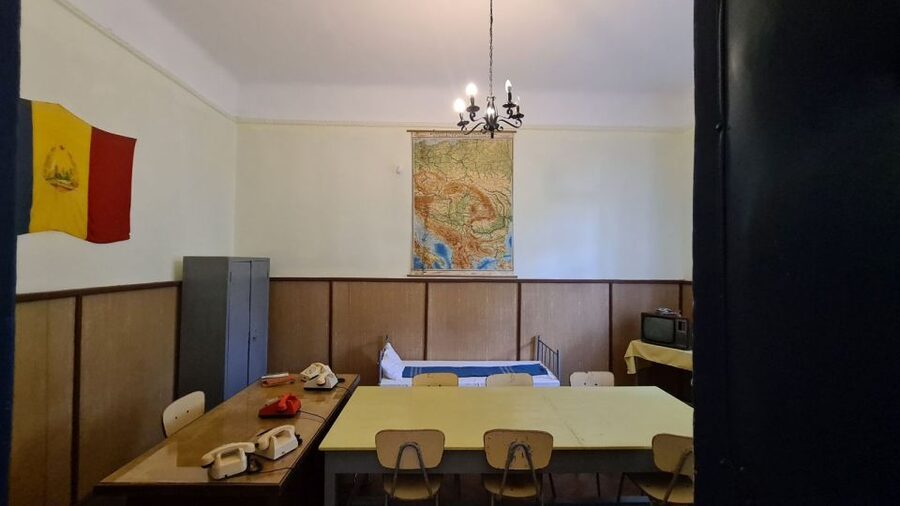
After Revolution Square, the day shifts into a chase narrative. The tour includes photo and guided segments at locations described as secret stops, plus stops connected to the helicopter escape and the moment Ceaușescu leaves it behind.
The key idea is that you are not just hearing history. You are being shown where the story likely shifted from one kind of movement to another, helicopter to car, then car to flight by Dacia. One of the highlights is a stop where Ceaușescu abandons the helicopter and continues his run with a Dacia.
This is the part of the tour that tends to feel most cinematic, but still practical. You will get photo opportunities at street corners and junctions, and the guide connects each location to the timeline so it does not turn into a blur of monuments.
One practical consideration: parts of this route are about following events, not leisurely admiring views. If you love slow photography and long wandering time, you may feel the schedule tightening here.
More Bucharest options to weigh up
- Bucharest: Dracula’s Castle, Peles Castle, & Brasov Old Town
★ 4.5 · 17,858 reviews - Bucharest: Dracula Castle, Peles Castle & Brasov Old Town
★ 4.6 · 10,891 reviews - Bucharest: Dracula’s Castle, Peleș Castle & Brașov Day Trip
★ 4.4 · 6,100 reviews - Bucharest: Palace of Parliament Tickets and Guide
★ 4.3 · 3,182 reviews
Ceausescu Last Hours Museum: a quick stop that changes how you see the streets
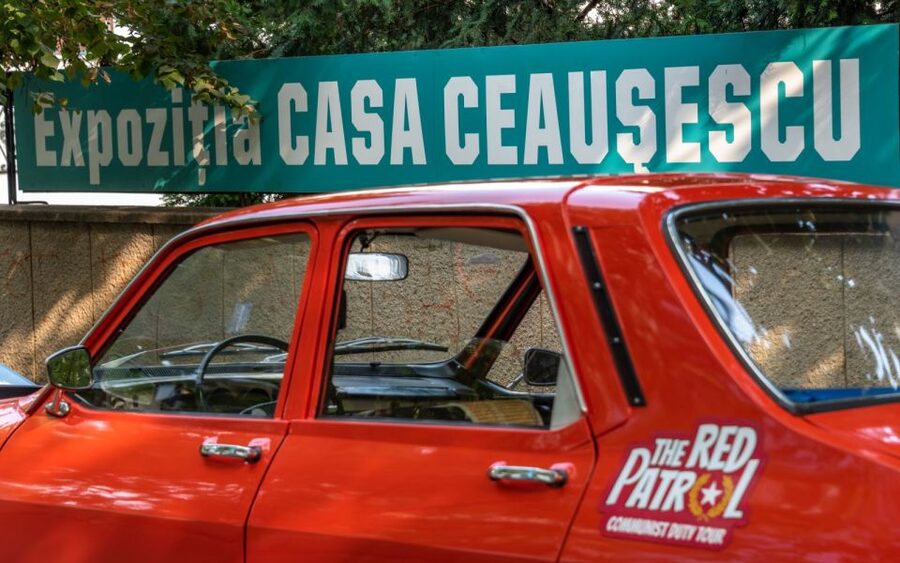
At mid-route, you visit the Ceausescu Last Hours Museum for a guided visit and sightseeing time of about 25 minutes. This is a short museum moment, but it matters because it changes your brain from narrative to evidence.
A museum stop can be a cheat code on days like this. You get the “what happened” framework in a compact form. Then the next outdoor stops land better because you can match the story you just saw to the geography you are seeing again.
Because the museum segment is not long, it also avoids the classic problem of history tours that turn into one long interior lecture. You get context, then you get back into motion.
House of Ceaușescu: when the personal reality of power becomes concrete
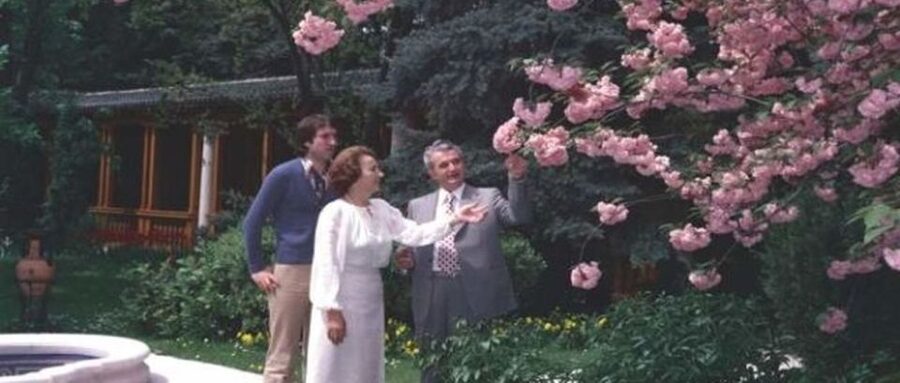
Then comes House of Ceaușescu. You have a photo stop and then a guided visit of about 1 hour. This is where the tour turns from the public drama into the private world of the couple.
You also get to see how the day’s political story connects to living space. It is one thing to learn that Ceaușescu had supreme power for almost 24 years. It is another to stand at a place tied to his residence and understand what power looked like day-to-day, not just in the headlines.
If you are sensitive to uncomfortable political memories, you can still handle it, because the tour is focused on places and events, not sensationalism. Still, it is an intimate setting, and the contrast with the violent end of 1989 is part of the emotional effect of the route.
The Steel Factory and Militia station: attempted support, then arrest
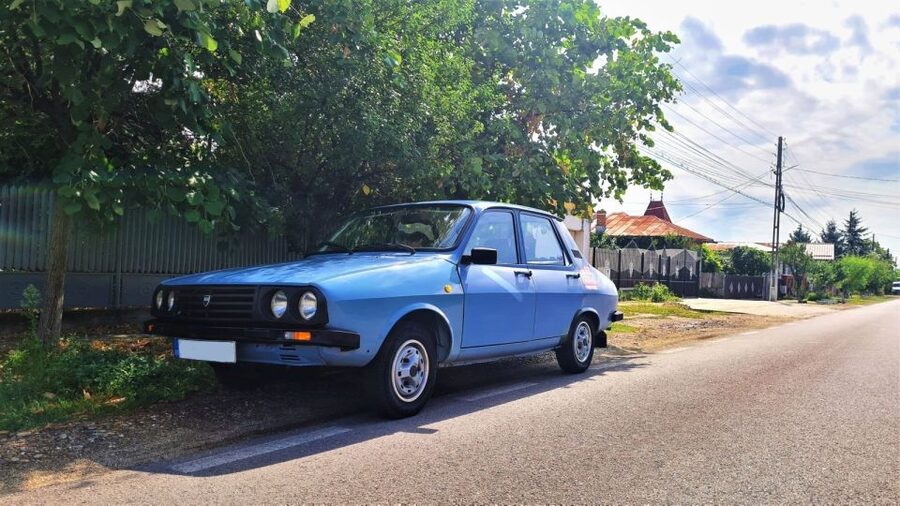
On the way back and through the route tied to the last-day story, the tour includes stops named The Steel Factory and The Militia station. These are connected to the idea that Ceaușescu tried to organize support, then things unraveled quickly and he was arrested.
This is one of the most useful parts of the day if you want to understand why dictators fall so fast. The locations help you visualize that the escape was not only about leaving Bucharest. It was also about trying to find a system that would still obey him.
The tour handles this with guided context at each stop, keeping it connected to the timeline rather than just listing names. Time here is shorter than at the museum and the residence, but the payoff is in how the story stays logical.
Detained, judged, executed: what you can see on 25 December 1989
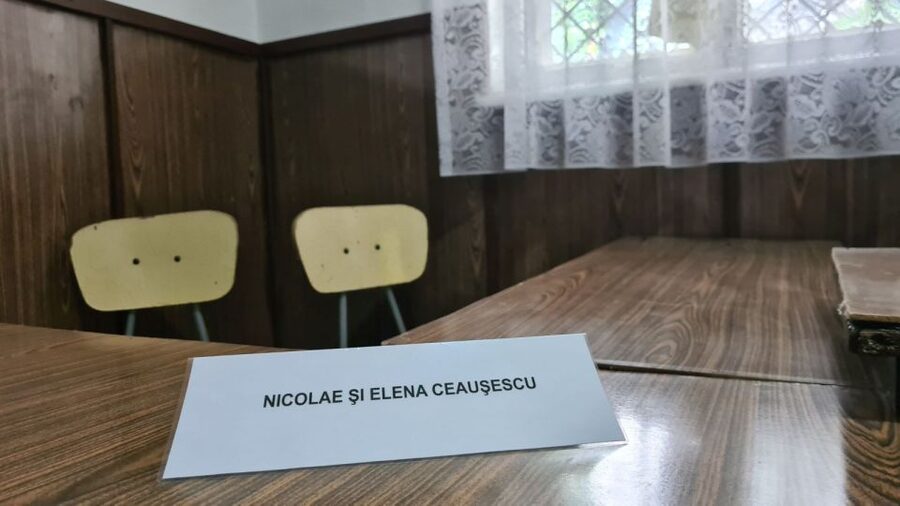
One of the major moments is a stop at the building where Nicolae and Elena Ceaușescu were detained, judged, and executed on 25 December 1989. The tour notes that the building where Ceaușescu was executed is not accessible on the interior due to renovation.
So you should expect limited interior access here. The value is still real, though. Seeing where the process ended adds weight to the earlier escape narrative, because it completes the arc. It also helps you understand the difference between a failed escape and a finished sentence.
If you want to be respectful and also get the most from the stop, listen carefully during the guided explanation. This is where the guide’s framing matters most.
Palatul Primăverii: the guided visit that makes the day feel complete
At the end of the tour, you get the guided visit to Palatul Primăverii, Ceaușescu’s presidential palace and private residence with Elena Ceaușescu from 1965 to 1989. The entrance ticket is included, so you do not have to spend time sorting that out.
The timing gives you a clear structure. After an outdoor route full of urgency, you end with an interior visit, which is the right rhythm for digesting what you learned. You can compare the street-level story of the collapse with the architectural reality of how the couple lived while power was intact.
This is also a good moment to slow down mentally. In a 6-hour day, it is easy to keep adrenaline running. A guided residence visit helps you land the lesson: the end of a regime is political, but the day-to-day machinery of control has physical spaces too.
Price and value: what $223 per person buys you
At $223 per person for a private tour, you are paying for more than transport. You are buying a guided route that connects the emotional story of 1989 to real locations across about 180 km of driving in a classic car.
A few value points you can actually feel:
- Private group format: the guide can tailor explanations to your interests in the English language
- Hotel pickup and drop-off from Bucharest: less stress than arranging your own transport
- Classic restored Dacia transportation: it is not a gimmick, it is part of how the route experience works
- Entrance to Palatul Primăverii included: you get an interior anchor to balance the road narrative
- Tour materials and extras: a tour newspaper, a personalized gift, and water in the car
If you are traveling as a couple or small group, private often feels like good math, because a public bus tour would not give you the same pacing or the same set of linked stops.
Car comfort, time pressure, and who should consider the fit
This tour is not described as a long walking tour, but it is still a time-and-transport day. You are seated in a classic car for a route of about 6 hours, including guided stops and photo stops.
It is also explicitly not suitable for:
- Children under 10 years
- Pregnant women
- People with back problems
- People with heart problems
- People over 70 years
If any of those apply, it is smart to skip this one and choose a lighter, shorter sightseeing plan.
One more practical detail: you will hop on or hop off at main stops. That keeps moving manageable, but it also means you cannot plan on long lingering time at every viewpoint.
Practical tips so the day feels smooth, not rushed
A few things I’d do before you go:
- Bring your passport or ID card, since it is required
- Wear shoes you can stand in during guided stops, even when you are mostly outdoors
- Plan for breaks. The tour experience includes time for toilet and lunch breaks, which matters on a long road day
- Keep expectations realistic about the execution-site interior. Renovation means you are not getting a full inside visit there
Also, if you care about photography, this tour is set up with photo stops, not random moments. So treat your camera like a tool, not a burden. Get the photos, but also listen so you connect what you see to what you learn.
Should you book this Last Days of Ceaușescu Dacia tour?
Book it if you want Bucharest history with movement and meaning, and if the story of Ceaușescu’s final days matters to you. The combination of Revolution Square, the escape narrative stops, the Ceausescu Last Hours Museum, the House of Ceaușescu, and the guided visit to Palatul Primăverii makes it feel like a complete arc, not a scatter of monuments.
Skip it if you dislike car days, prefer minimal emotionally heavy content, or you need a more accessible format due to the tour’s stated suitability limits.
If you do book, I’d go with curiosity and a ready ear for the guide. The route works best when you treat it like a guided timeline you can see.
FAQ
How long is the private Dacia tour?
The tour duration is listed as 6 hours.
Is this tour private?
Yes, it is described as a private group tour.
Do I get hotel pickup and drop-off in Bucharest?
Yes. The tour includes hotel pickup and drop-off from Bucharest.
What language is the live guide?
The live tour guide speaks English.
Is the Palace of Primăverii ticket included?
Yes. Entrance at the Primăverii Palace Museum is included.
What do I need to bring, and who is it not suitable for?
Bring your passport or ID card. The tour is not suitable for children under 10, pregnant women, people with back problems or heart problems, and people over 70 years. Pets, baby strollers, baby carriages, and alcohol or drugs are not allowed.
Latest reviews from around Bucharest
- LiBEARty Brown Bear Sanctuary and the most important castles from Romania★ 5.0 · 4 reviews
- Hike Bulgaria Love Swing, Veliko Tarnovo and Tarevet Fortress★ 5.0 · 4 reviews
- Bucharest Private Tour with Dracula’s Grave and Ceaușescu Mansion★ 5.0 · 4 reviews
- Hiking in Bucegi Mountains in the Carpathians, Private tour★ 5.0 · 4 reviews
- Dracula Experience In Transylvania★ 5.0 · 4 reviews
- Bucharest Sightseeing – Half-Day Private Tour★ 5.0 · 4 reviews
- Bison Sanctuary, Vlad the Impaler Princely Court & Dracula Grave★ 5.0 · 4 reviews
- Private 6-Day Dracula Tour in Transylvania from Bucharest★ 5.0 · 4 reviews
Communist-Era Bucharest, compared.

Bucharest: Communism and History Guided City Walking Tour
Read our review →
Bucharest: Parliament, Ceausescu House & Village Museum Tour
Read our review →
Bucharest Essential Tour: Old Town, Calea Victoriei & Communism
Read our review →
Communism in Bucharest – Landmarks, Museum & Communist Appetizers
Read our review →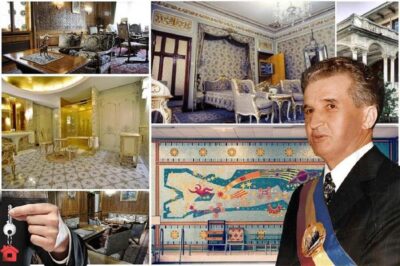
Palace of Parliament, Ceausescu House & Village Museum
Read our review →Browse the lists this tour appears in