
Reviewed · COMMUNIST-ERA BUCHAREST
Bucharest: Relics of Communism 3-Hour Walking Tour
Bucharest’s communist imprint is still stamped into the city’s bones, and that is why this tour works. I like how it connects the stories of 1989 to the exact public spaces where they unfolded, and I also like the hands-on, street-level way the guide turns everyday life under Ceaușescu into something you can picture. One possible drawback is the subject matter is weighty, so it is not a casual, light sightseeing stroll.
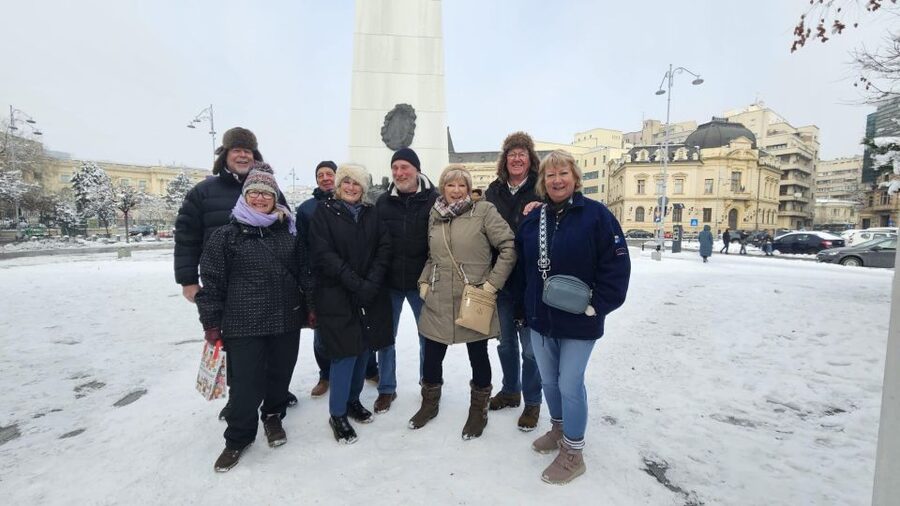
You’ll start in Revolution Square at the Memorial of Rebirth, then work your way through key squares, churches, and the monumental power symbols of the Ceausescu era. I like that the group stays small, limited to 10 participants, which makes questions feel normal instead of rushed. If you hate talking history for long stretches, you may want to pair this with a more relaxed half-day after.
Key things you will notice on this walk
- Revolution Square, the balcony moment: you stand where Ceaușescu gave his last speech and hear what came next.
- Socialist realism in street form: the tour reads Bucharest’s Communist-era architecture like a political document.
- Hidden churches, not just big monuments: you get a side of history the regime tried to push out of view.
- Everyday life under Ceaușescu: ration cards, propaganda, and the secret police come alive in plain language.
- Palace of the Parliament, power made stone: you see why it was designed as an absolute center of authority.
- English guide with time to talk: praised guides like Elena, Stefan, and Tudor are noted for detailed, question-friendly explanations.
Communist Bucharest still feels real, not museum-flat
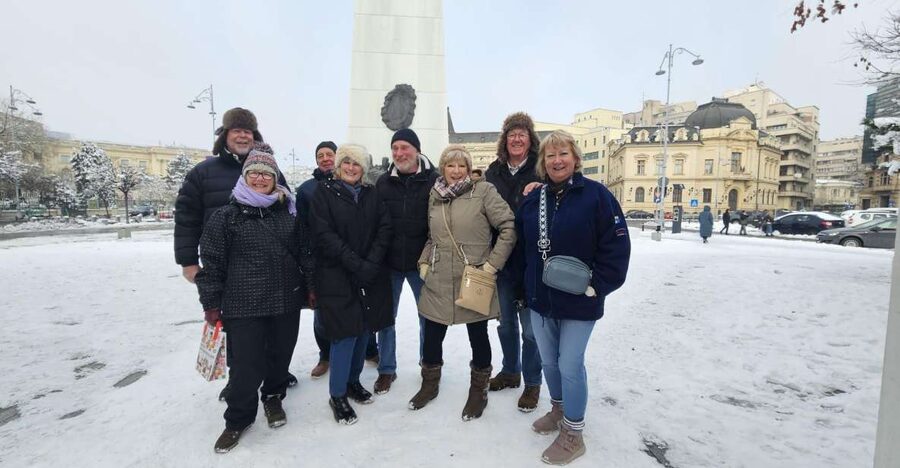
This tour is interesting because it treats Bucharest like a living textbook. You are not just viewing a few famous buildings, you are walking through a system, from propaganda stage sets to the everyday mechanics of control. The 3 hours move at a pace designed for discussion, not sprinting.
I also like the balance of themes. You get architecture and politics, yes, but you also get the human stuff, like how ordinary people handled rationing and what people did when the official story did not match reality. And because this is a small group, you can ask follow-up questions without feeling like you are hijacking the tour.
Meeting at Memorial of Rebirth, where the story starts
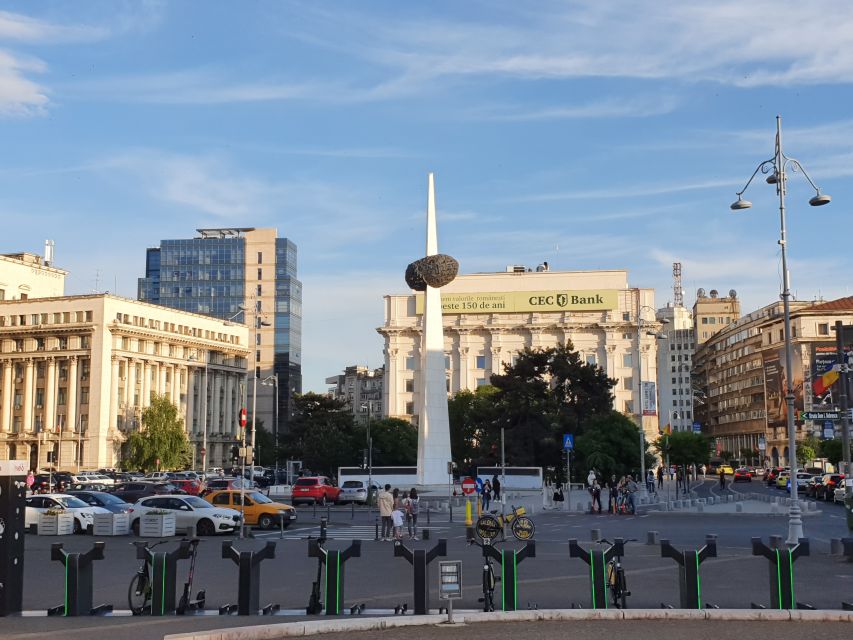
You meet your guide at the Memorial of Rebirth in Revolution Square. That choice matters. This is not a random landmark, it is the tour’s anchor point for the 1989 Revolution story, and it sets an emotional tone before you even start walking.
The walk is designed around a clear route. You will move from Revolution Square to other central squares, then toward the monumental government core where Ceaușescu’s building plan becomes hard to ignore. You should plan on arriving a bit early, since this is a walking tour and the start is set.
A practical note: the tour does not include hotel pickup or drop-off. So you’ll want to be comfortable getting to Revolution Square on your own, using whatever transit or walking plan you prefer for the day.
More Walking Tours in Bucharest
- Bucharest: City Highlights Guided Walking Tour
★ 4.9 · 1,482 reviews - Bucharest: Communism and History Guided City Walking Tour
★ 4.9 · 918 reviews - Bucharest Highlights Walking Tour
★ 5.0 · 469 reviews
Revolution Square and the balcony where the last speech landed
Revolution Square is the first big stop, with guided time focused on what happened there and why it mattered. You learn about the late phase of Ceaușescu’s rule, including the famous balcony where his last speech was delivered. The guide connects what you see in front of you to how quickly the political situation shifted.
What makes this stop work is the way it connects space to consequence. A square is just a square until someone explains who stood where, what was announced, and how the public reacted. Standing in the same public footprint makes the 1989 Revolution feel less like a timeline and more like a chain of very human decisions under pressure.
Piața 21 Decembrie 1989: symbolism, dates, and public control
Next comes Piața 21 Decembrie 1989. This square adds texture to the Revolution narrative by reinforcing how dates became part of public memory. The guide uses these places to explain the shift from regime messaging to the collapse of credibility.
This is also where you start to get more of the everyday context. The tour is not limited to big turning points. You hear about daily life under Ceaușescu’s rule, including propaganda and the role of the secret police. You’ll understand why people learned to read the room, not just the headlines.
One thing to consider: you will likely spend time standing and looking around open civic spaces. Wear comfortable shoes. If you have mobility issues, you should consider whether a 3-hour walking route through major Bucharest squares is a good match.
Michael the Voivode Church and the idea of hidden worship
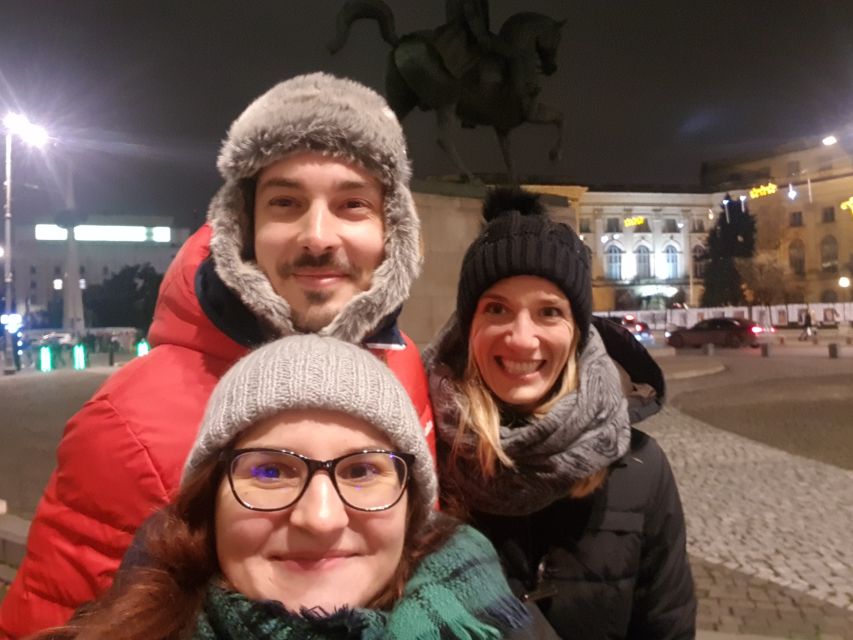
A standout theme is the tour’s focus on churches the communists tried to forget. Your stop here centers on “Michael the Voivode” Church, with guided time that ties religious survival to the political pressure around it.
Why this matters is simple. Regimes do not only control governments, they try to control meaning. Religious sites often represent something older and more local than official ideology. By showing you churches tucked away and less emphasized in public storytelling, the tour gives you a counterpoint to the official monuments of power.
Also, church stops tend to slow the pace in a good way. It gives you a break from the “big monument” feel and gives the guide a chance to bring in more intimate details about how belief and identity persisted.
More of communist-era Bucharest:
- The Real tour of Communism
★ 5.0 · 666 reviews - Life under Communism
★ 5.0 · 358 reviews - 3-Hour Guided Tour of Communist Bucharest
★ 4.9 · 303 reviews - Bucharest: Parliament, Ceausescu House & Village Museum Tour
★ 5.0 · 208 reviews
Piața Unirii: reading the city between old elegance and hard blocks
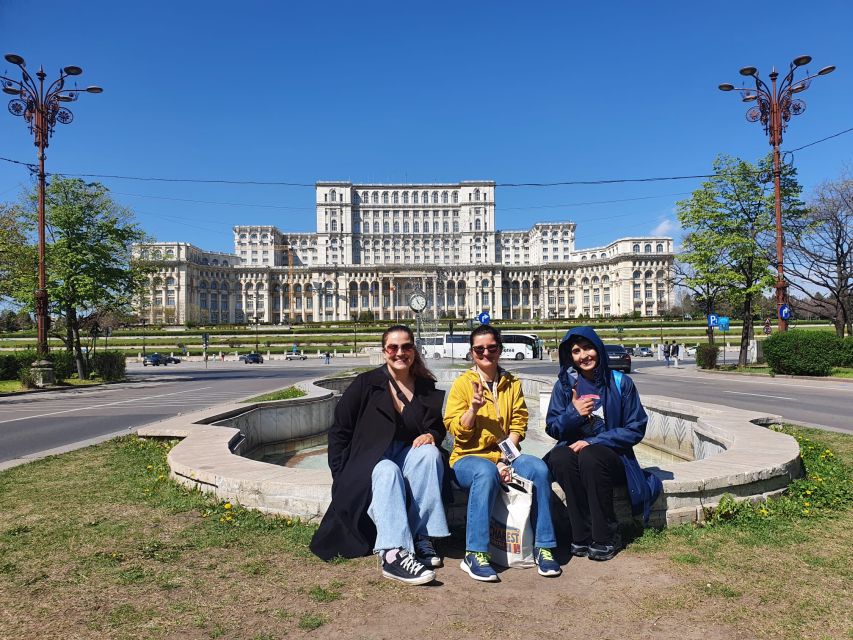
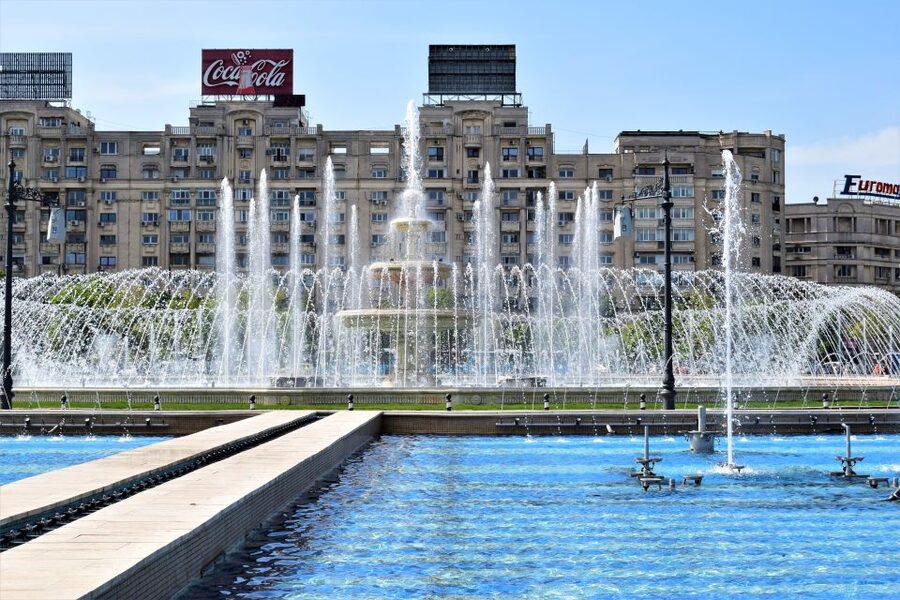
Then you reach Piața Unirii, another central square where the tour helps you read Bucharest’s layers. This is where you start noticing contrast more clearly: the city has elegant architecture alongside the harsher geometry of Communist blocks and Socialist realism planning.
The guide uses the contrast as a teaching tool. Socialist realism is not described like an abstract art label. It is presented as a way of building authority into everyday sight lines. Once you see it that way, you start noticing details like massing, symmetry, and the sense of power in scale.
If you like street-level observation, this is a good stop to take photos, then listen for what the guide points out. The architecture becomes more readable when you know what to watch for.
Palace of the Parliament and Civic Centre power: why it was built like this
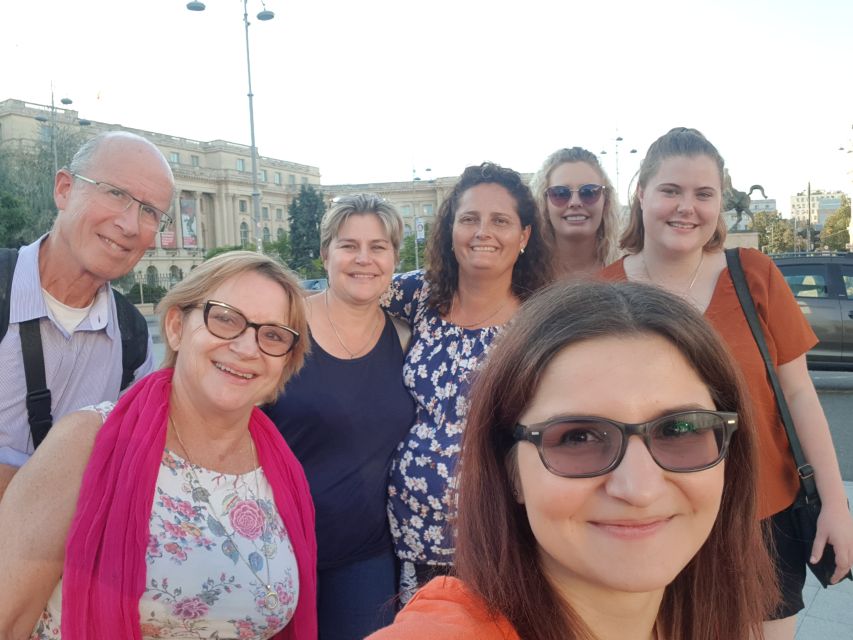
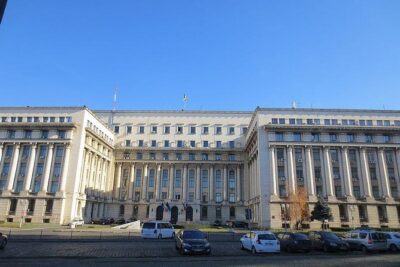
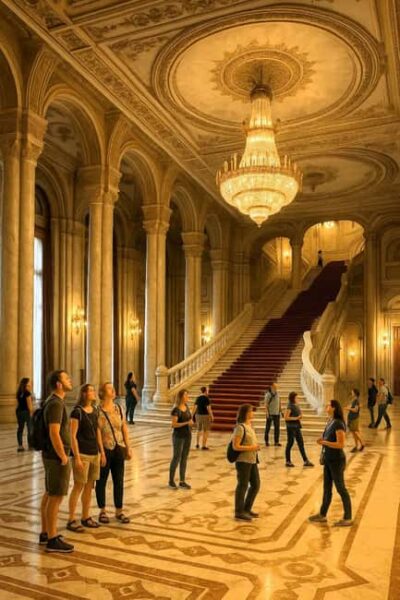
The tour’s final major concentration is around the Palace of the Parliament, with guided time to explain what the building represented and how it fit into the broader plan for the Civic Centre area. The key idea is that it was designed as a center of power.
This stop works best if you treat it as more than a photo op. The guide frames the palace and the Civic Centre buildings as political statements made in stone and concrete. You get the sense of what the regime wanted the public to feel: scale, permanence, and inevitability.
One consideration: the palace complex is a visually intense place. If you are sensitive to heavy historical topics, you may feel that intensity more than you expect. Still, that reaction is part of why the tour is memorable. It helps you understand why people under Ceaușescu experienced their world as both constrained and watched.
The everyday Ceaușescu reality: ration cards, black markets, propaganda
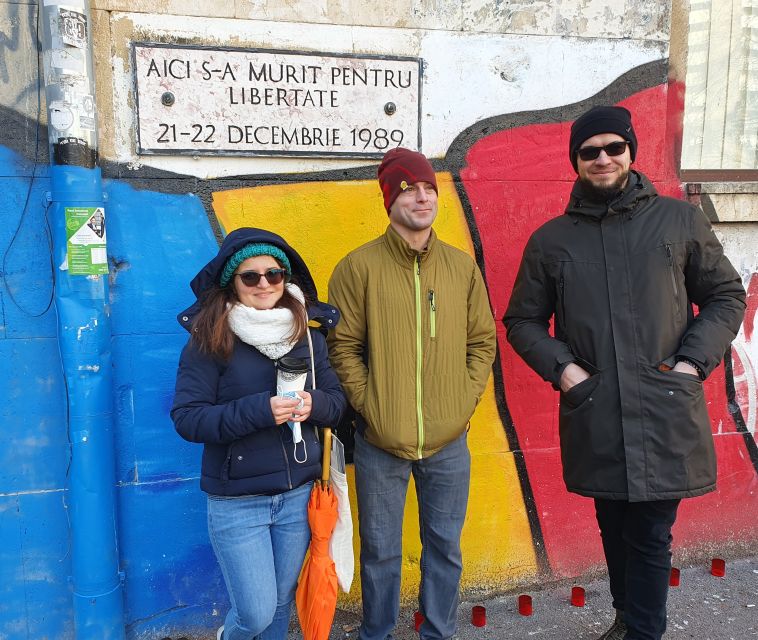
A big promise of this tour is that it covers daily life under Ceaușescu, not just political events. You hear about ration cards, the black market, propaganda, and the secret police. The guide’s goal is to show how a system of control shaped routines, shopping, work, and trust.
This is where guides who do strong research really matter. Past tours led by guides like Elena, Stefan, and Tudor are noted for explaining details in an engaging, question-friendly way. You also get a sense that the guide has done more than study a script. In some cases, guides bring supporting material, like photos of old versus new Bucharest and other small “artefacts” that help explain what it felt like.
You should go in with an open mind. The tour does not sugarcoat it, but it also does not turn it into nonstop misery. The best moments are when you see how people adapted, joked, traded, and survived inside a rigid system.
Hidden churches vs monumental state buildings: the built-in contrast
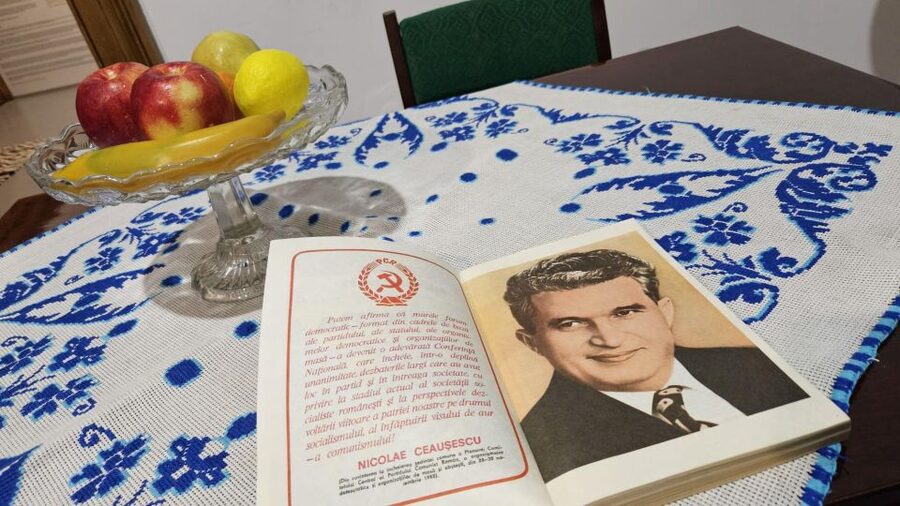
One of the tour’s smartest moves is pairing hidden churches with places built to shout. That pairing makes the history feel less one-note. You walk from sites that the regime tried to push into the background, to the architectural expression of state power.
This contrast helps you understand how communism worked culturally, not only politically. It is easy to talk about laws. It is harder to explain what happens when the state also tries to shape worship, speech, and memory. By moving through these different building types, you get a more complete picture of the pressure.
Pace, group size, and why a small group helps
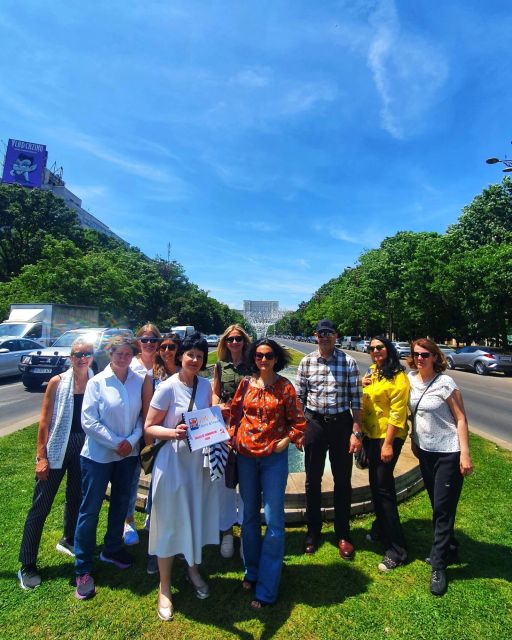
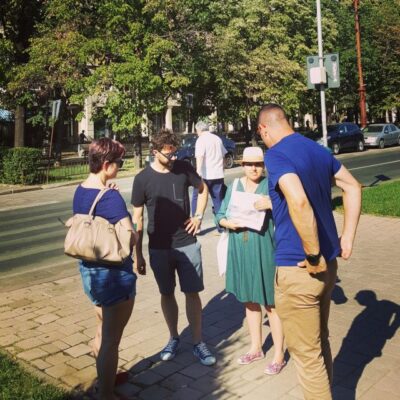
The tour is limited to 10 participants, and that is a big part of the value. In small groups, you can ask follow-up questions when something lands in a way you did not expect. That also helps if you are a history fan, a photo lover, or just curious about how daily life differed from what you know of modern Romania.
Many people mention a leisurely pace with enough time at each stop. And in at least one case, a guide included a short break at a typical Romanian bar in the middle of the walk. If you want to pace yourself, plan to take water and accept that this tour is more conversation-based than checklist-based.
Time-wise, it is scheduled for 3 hours. In practice, strong guides can run a little over when they think the conversation is worth it. Build a little flexibility into your day so you do not feel rushed to catch another ticket right after.
English guide, practical explanations, and the kind of interaction you want
This is an English-language walking tour with a live guide. The standout from praised guides is not just that they know facts, it is that they explain them in a way that stays clear while still feeling human.
You will also get a sense of balance. Guides are praised for sharing both research and personal context. That matters because Romanian communism is not just one story. It includes state ideology, social pressure, and the lived experience of people who adapted to survive.
If you like tours where you can ask questions, this format fits well. If you only want a strictly silent photo walk, you might find yourself wishing for fewer conversations.
What’s included in the price, and why it feels fair
The price is $44 per person for a 3-hour walking tour. Is that worth it? For Bucharest, the value comes from three things that are harder to replicate on your own: a strong English guide, time spent in specific sites tied to the Revolution and Ceaușescu era, and a small group size that keeps the experience interactive.
You also get a Romanian snack souvenir included. It is a small item, but it is a nice touch that makes the tour feel like it ends with something tangible instead of just facts in your head.
What is not included: hotel pickup and drop-off. So your value math depends on how easily you can reach Revolution Square at the start.
Who should book this tour, and who should think twice
This tour is a strong match if you want:
- A guided walk that explains how communist power shaped Bucharest.
- A mix of big moments (1989) and everyday life (ration cards, propaganda).
- A small group setting with time to ask questions.
- Architecture you can read with context, not just admire from a distance.
You might think twice if:
- You want a short, light intro that stays focused on food, cafés, and photo stops.
- You prefer your history delivered in a museum format with minimal walking and standing.
- You are sensitive to heavy political and surveillance themes.
Should you book Bucharest: Relics of Communism?
If you have even a modest interest in the 1989 Revolution and how communism shaped everyday life and the built environment, I think this is a book-worthy tour. The route is practical, it hits the big symbolic sites, and it adds depth with churches and the everyday mechanics of control.
My main “go or no-go” advice is simple: give yourself mental space for a heavier theme, and schedule it earlier in your Bucharest days if you can. A guided framework like this helps you read the city afterward, including the areas that look like normal Bucharest streets but carry political meaning.
Choose it if you want an informed, human, small-group walk. Skip it if you only want casual sightseeing and you do not want to spend your afternoon talking about propaganda, rationing, and secret police.
Latest reviews from around Bucharest
- LiBEARty Brown Bear Sanctuary and the most important castles from Romania★ 5.0 · 4 reviews
- Bucharest Private Tour with Dracula’s Grave and Ceaușescu Mansion★ 5.0 · 4 reviews
- Hike Bulgaria Love Swing, Veliko Tarnovo and Tarevet Fortress★ 5.0 · 4 reviews
- Hiking in Bucegi Mountains in the Carpathians, Private tour★ 5.0 · 4 reviews
- Dracula Experience In Transylvania★ 5.0 · 4 reviews
- Bucharest Sightseeing – Half-Day Private Tour★ 5.0 · 4 reviews
- Bison Sanctuary, Vlad the Impaler Princely Court & Dracula Grave★ 5.0 · 4 reviews
- Private 6-Day Dracula Tour in Transylvania from Bucharest★ 5.0 · 4 reviews
Communist-Era Bucharest, compared.

Bucharest: Communism and History Guided City Walking Tour
Read our review →
Bucharest: Parliament, Ceausescu House & Village Museum Tour
Read our review →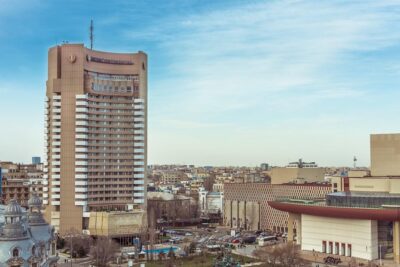
Bucharest Essential Tour: Old Town, Calea Victoriei & Communism
Read our review →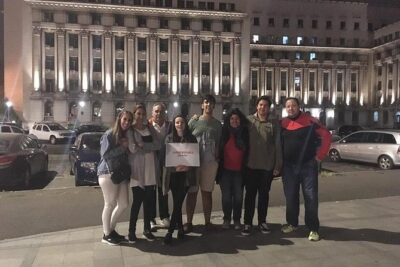
Communism in Bucharest – Landmarks, Museum & Communist Appetizers
Read our review →
Palace of Parliament, Ceausescu House & Village Museum
Read our review →Browse the lists this tour appears in