
This one-day Maramureș circuit stitches together woodcraft tradition, folk art, and real 20th-century memory. I love the UNESCO wooden church of Șurdești, and I love the colorful Merry Cemetery of Săpânța. The tradeoff is a lot of driving for one day, so you need to be comfortable with a fast pace.
You start at 08:00 from KFC, Piața Unirii in Cluj, then ride in a modern air-conditioned van with an English-speaking guide, with a small group capped at 9. If you want a slow day with lots of walking breaks, or if you’re a wheelchair user, this isn’t designed for you.
Key things you’ll notice on this Maramureș day trip
- UNESCO wooden church stop at Șurdești with a 54-meter tower and interior frescoes
- Baia Mare Old Town context plus two museums that explain how locals think and live
- Scenic Gutin Pass crossing on the way to Sighetu Marmației
- Sighet Prison Memorial focused on victims of communism and resistance
- Săpânța Merry Cemetery as folk storytelling with painted crosses and witty epitaphs
- Small-group travel with an English guide (max 9 people) that keeps the day moving smoothly
Starting in Cluj at 8:00 and living at one-day speed
The first thing to know is the timing. You leave Cluj-Napoca at 08:00 from KFC, Piața Unirii, so this feels like a true day trip, not a relaxed tour that starts midmorning. If you travel with jet lag or you love late starts, plan ahead so you’re ready for an early departure.
I like that the day is structured around major landmarks that are spaced out across Maramureș. You get efficient logistics, because the van transport and parking are handled, and you’re not trying to figure out routes and schedules by yourself. The only catch is time: you’ll likely have shorter viewing moments at each highlight, and you’ll want to choose what matters most to you before you go.
The small group size also matters. With a max of 9 participants, you tend to get easier flow on board, less waiting on stairs, and more time for questions when the guide explains what you’re seeing. And in past runs, the guides leading the trip, such as Andrei and Attila, have been praised for clear explanations that connect art, religion, and regional life.
More of Maramureș:
- Maramures best, full day tour from Cluj
★ 5.0 · 33 reviews - From Cluj-Napoca: Maramures Day Tour
★ 5.0 · 19 reviews - Two days tour to Maramures: local experiences and culture
★ 5.0 · 9 reviews
Baia Mare first: mining-era context before the churches and cemeteries
Baia Mare is a smart first stop because it sets the frame for what you’ll see later. The city’s Old Town (Centru Vechi) and Art Museum help explain how the region’s identity formed, especially with the area’s mining history and arts culture. It’s a good warm-up before the countryside stops, because you’re not jumping straight from travel fatigue into major monuments.
You’ll also have time for the Maramureș Village Museum. This is where the trip gets more practical for your understanding of the region. Instead of treating wooden churches and folk art as random “sights,” you can see how woodworking, carving, and local traditions connect to everyday life.
What I like here for value is that you’re not just “passing through” Baia Mare. You get enough time to walk the Old Town area, then build meaning through museum stops. The downside is that Baia Mare isn’t the emotional centerpiece of the day, so if your priority is heavy history or only UNESCO sites, you may feel like this portion is lighter.
Wooden Church of Șurdești: the 54-meter tower and the church that still works
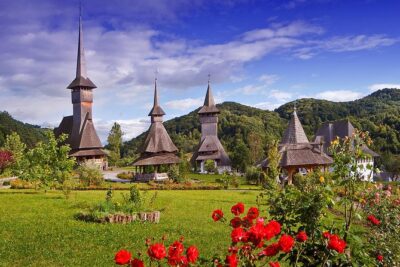
Your first big landmark is the Wooden Church of Șurdești, a UNESCO World Heritage Site, and it’s a serious stop. The highlight isn’t only that it’s beautiful, it’s that it’s tied to ongoing community worship. Seeing a wooden church that’s still active changes how you look at the details, because it’s not just preserved for tourists.
The headline feature is the tall wooden tower, standing about 54 meters (177 feet). That height is part of the wonder here, because it’s not a small decorative spire. It’s a statement of engineering skill using traditional methods, built in a time when craftsmanship was the main tool for reaching the sky.
Inside, you’ll have a chance to appreciate 18th-century murals with biblical scenes painted in vivid colors. The guide can help you read what you’re looking at, especially if you care about how religious imagery worked in everyday community life. Even if you’re not an art expert, it’s the kind of interior that rewards slowing down for a few minutes.
Built in 1766, the church also shows traditional Maramureș design logic, including hand-carved decorations and intricate wooden joinery. For me, the best part is noticing how much is done with wood to accomplish structural strength and spiritual impact at the same time.
A practical note: the day is packed, so you might not have tons of time at each corner. If you’re the type who wants to take your time with murals or photos, arrive mentally ready to work fast and pick your spots.
Gutin Pass drive: where the views help you understand the distances
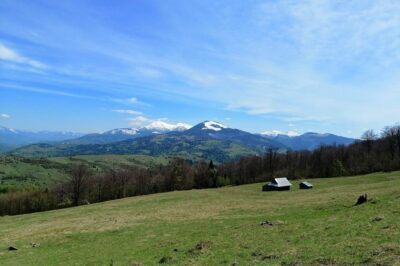
Between major towns, you’ll cross the Gutin Pass, and that drive is more than a transfer. You get moments where the terrain explains why these communities developed with their own styles and tools. When you’ve spent a day watching wood and folk art travel across the route, the scenery makes the whole region feel connected.
I also like that this section breaks up the day emotionally. After Baia Mare and before the heavier memorial content in Sighetu Marmației, the road gives you a small reset, and the guide can keep contextual stories going without you feeling like you’re just sitting in a vehicle.
Still, the Gutin Pass does add to the “one-day speed” feeling. If you get carsick, bring what you need ahead of time, because the trip is moving from morning through multiple stops.
More Cluj-Napoca options to weigh up
- Curly Tour – Day trip from Cluj 🙂
★ 5.0 · 330 reviews - Cluj: Turda Salt Mine, Corvin Castle, Alba Carolina Tour
★ 4.8 · 184 reviews - Cluj-Napoca: 2.5-Hour Guided Walking Tour
★ 4.8 · 104 reviews - From Cluj: Turda Salt Mine, Gorge, and Remetea Full-Day Trip
★ 5.0 · 84 reviews
Sighetu Marmației and the Sighet Prison Memorial: resistance, victims, and memory you can’t shrug off
When you arrive in Sighetu Marmației, the mood shifts quickly, and that’s part of why the trip is memorable. The central stop is the Memorial to the Victims of Communism and to the Resistance, including the Sighet Prison Memorial. This is a sobering museum experience, housed in a former prison used to detain political prisoners during the communist regime.
If you want to understand Romania beyond surface travel photos, this is where the day gets serious. The memorial gives you a direct look at how resistance and suffering were treated in political reality, not just in abstract ideas. It’s the kind of site that makes your other stops feel more grounded, because you start to see what people were protecting culturally and morally.
The practical upside is clear: you’re not left guessing about what the stop is meant to teach you. The focus is specific, and the setting is strong because it’s tied to the building’s former purpose.
The main consideration is emotional load. If museums about oppression and resistance feel heavy for you, plan how you’ll pace yourself during the visit. A day trip like this doesn’t offer long breaks to reset between stops.
Săpânța Merry Cemetery: blue crosses, witty epitaphs, and folk painting
Then you get a totally different kind of Romanian storytelling: the Merry Cemetery of Săpânța. This place is famous because, instead of somber gray stones, you see bright painted wooden crosses with humorous or poetic epitaphs. It’s folk art built into graves, so you’re looking at memory in a way that’s playful, personal, and surprisingly human.
Each grave features a painted wooden cross, typically with intense colors like blue, red, green, and yellow. Those colors matter because they suggest life, nature, and spirituality, not just death. When you read the epitaphs, the messages often feel like conversations with the person who’s gone.
One detail I really like is that the cemetery is more than a style. It includes a recognizable story anchor, such as the founder’s grave of Stan Ioan Pătraș. Seeing that you can connect the site to the person who helped shape how it became famous makes the cemetery feel intentional, not like a random roadside attraction.
A practical note: the day’s earlier stops are mostly about architecture and museums. Here, you’ll want time to walk and read epitaphs, because part of the experience is absorbing the pattern of cross after cross and the tone of the writing. If you’re rushing, you’ll miss the charm.
What I’d watch for: time tradeoffs, walking, and what to pack
This trip earns strong marks for guide quality and driving help, and it makes sense. In one example, the service and pickup were described as excellent and the guide was praised for being kind on the road. Another praised guide, Attila, was highlighted for explaining the region’s history, ethnography, and religion in a way that clicked.
Still, there’s one tradeoff that’s worth respecting. The schedule can feel tight because the day blends long drives with multiple highlights. That means you may not linger as long as you want at every site, and you should avoid planning big add-ons that require extra time.
Here’s how to prepare so the pace feels good instead of stressful:
- Wear comfortable shoes. Wooden church areas and cemetery paths are not the place for stiff dress shoes.
- Bring a sun hat and sunscreen, especially if the day is bright when you’re outside.
- Pack water. You’ll be moving, and the day isn’t built around long meals.
- Bring cash and a credit card. Cash is listed for a reason, and it’s useful for any small purchases you decide to make.
- Bring weather-appropriate clothing. One-day mountain routes can change fast.
Also note the rules: alcohol and drugs aren’t allowed, and the tour isn’t suitable for wheelchair users or people over 95 years. That’s not picky, it’s about how the day fits the sites.
Price and value: why $182 can feel fair for this kind of day
At $182 per person for a 1-day route, you’re paying for three things at once: the air-conditioned transport, the English-speaking specialized guide, and the included logistics like parking and road taxes. In a region where distances add up, those parts can be the difference between an easy day and a stressful one.
The value gets stronger because the day includes both major UNESCO architecture and a memorial that adds real historical weight, plus a folk art stop that’s unlike what you’d find elsewhere. If you try to assemble all of these on your own with timed access and navigation, you’ll spend time and energy that the organized format already solves for you.
Is it expensive compared to doing nothing but walking around one town? Sure. But you’re not paying only for museums. You’re paying for efficient connections and a guide who helps you make sense of what you’re seeing.
Should you book CJ04 Maramureș Adventure?
If you want a one-day taste of Maramureș tradition that covers architecture, folk art, and meaningful history, this is a strong match. I’d book it if you like guided context, want to see the UNESCO wooden church of Șurdești, and you’re curious about why the region’s woodworking shows up in places like churches and grave markers.
I wouldn’t book it if you need a slow schedule, have limited mobility, or if you get carsick easily. This is a day trip with a lot packed in, and the best experience comes when you accept the pace and focus on quality moments instead of long lingering.
If you’re the type who likes to ask questions, the guide can make a difference. Past leadership, including guides like Andrei and Attila, has been praised for clear explanations and friendly, capable driving. Get ready for a day that moves, but also for a day that teaches you how Maramureș thinks, remembers, and builds.
Latest reviews from around Cluj-Napoca
- 3 Day Tour of Maramures★ 5.0 · 4 reviews
- CJ01 – Explore Cluj-Napoca: A lively City Tour in English★ 5.0 · 4 reviews
- Golden Circle of Transylvania★ 5.0 · 5 reviews
- Turda Salt Mine, Gorge & Rimetea Village (private from Cluj)★ 5.0 · 5 reviews
- Private tour to Turda Salt Mine, Rimetea and Alba Iulia★ 4.8 · 5 reviews
- 650cc Motorbike Rental from Turda★ 5.0 · 5 reviews
- Pub Crawl in Cluj★ 4.5 · 6 reviews
- Maramures Activ Tour★ 5.0 · 6 reviews
Maramureș, compared.

Classic Romania Tour – small group in 8 days: Transylvania and Maramures
Read our review →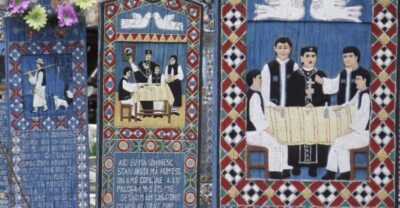

Two days tour to Maramures: local experiences and culture
Read our review →
A Journey Back in Time: Countryside from Transylvania and Maramures – 15 Days
Read our review →
Browse the lists this tour appears in