
Reviewed · COMMUNIST-ERA BUCHAREST
Communism Investigation Private Tour
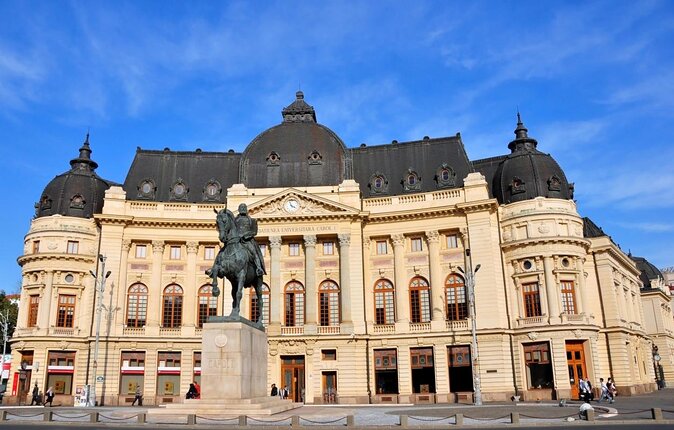
Bucharest can feel like a normal city until you notice the architectural clues and the street-level reminders of the 20th century. This half-day Communism Investigation Private Tour turns those clues into a guided story, stopping at key sites tied to Ceaușescu, party power, and the 1989 unrest.
I especially like that you get a private vehicle with an English-speaking guide and a tight route designed for pacing. Second, you carry home an actual “investigation” style keepsake, including a dossier plus audio and video testimonies. One thing to consider is that two of the big indoor stops (Ceaușescu’s residence and the Palace of Parliament) may require tickets and can be subject to opening times.
Key highlights to look forward to

- Nine stops, one coherent narrative, with “secret facts” shared during the walk and vehicle segments
- Guide Marius-led storytelling style, supported by audio and video testimonials
- Investigation dossier takeaways, including printed handouts you can collect during the tour
- Air-conditioned private transport with onboard high-speed WiFi
- Most stops are outside or free-entry, so your time stays efficient
- Centrally located pickup, which helps you avoid transit stress
The value of a private communist history route in Bucharest
If you like history, you probably know the problem with DIY exploring: you see a building, but you miss the human stuff. This tour is built to connect the dots. You move from the former centers of power to the public memory sites, then end up with a clearer sense of why the system felt normal to some people, and terrifying to others.
At about 4 to 5 hours and priced at $108.14 per person, it is not trying to be a cheap “bus tour” experience. The value is that you get a private vehicle for your group and a guide who can keep the story moving without the usual stopping and starting that happens with larger crowds.
The route also matters. Bucharest’s communist-era sites are spread out enough that you will spend more time coordinating transit than learning if you go alone. This plan keeps you in motion with pickup from central accommodations and a schedule that fits a single half-day.
More of communist-era Bucharest:
- Bucharest: Communism and History Guided City Walking Tour
★ 4.9 · 918 reviews - The Real tour of Communism
★ 5.0 · 666 reviews - Life under Communism
★ 5.0 · 358 reviews
Price, timing, and what you really get for the money
Let’s make the math feel practical. You are paying for three things: guided interpretation, private transportation, and structured takeaways.
1) The guidance is not just generic facts. The tour is framed like an investigation, with evidence-style notes and a narration that connects each stop to the next.
2) The transport is private and air-conditioned, plus you get high-speed WiFi onboard, which is a nice bonus if you want to look up things in the moment or just stay comfortable.
3) You also receive a personal investigation dossier, plus audio and video testimonials and written material you can keep.
Two stops that could cost extra are flagged clearly up front: tickets are not included for the Ceaușescu Mansion and the Palace of Parliament (if you add those optional interior visits when opening times allow). You can still do a lot of the core experience through free-entry stops and exterior views.
Your “investigation dossier” and why it’s more useful than photos
A lot of tours give you photos and a vague feeling of learning. This one gives you a dossier you can treat like your own case file. That matters, because communist-era history can feel repetitive if you only hear it once. Written handouts and a structured evidence approach help you remember.
From the way the tour is explained, you will be collecting information at each relevant site. You also get audio and video testimonials from the communist era as part of the experience flow. That is not just entertainment. It helps you hear how people described daily life and power structures, instead of only seeing what leaders built.
And yes, the human touches count. During the tour, you may even receive small welcome items from the guide, like the Romanian chocolate mentioned from a tour experience with guide Marius. Those details make the day feel less like a lecture and more like a guided walk with someone who genuinely wants you to understand.
Stop 1, Ceaușescu Mansion: dictator’s residence, habits, and living style
Your first stop is the Ceaușescu Mansion. The emphasis here is on the dictator’s residence and how he lived, including habits and daily style. Time is about 1 hour, and admission tickets are not included in the base tour.
Why this stop is important: the whole communist system can sound like politics until you connect it to personal comfort, power, and control. A residence stop puts the reader into the mind of the ruler. You are not just learning about laws. You are seeing how a leader constructed his own world.
Possible drawback: if you were hoping for an automatic interior visit, this one is ticketed. The tour also notes an optional visit at the residence depending on opening times. If timing does not work, you still get the main story and the visual context, but the inside look may be limited.
More Bucharest options to weigh up
- Bucharest: Dracula’s Castle, Peles Castle, & Brasov Old Town
★ 4.5 · 17,858 reviews - Bucharest: Dracula Castle, Peles Castle & Brasov Old Town
★ 4.6 · 10,891 reviews - Bucharest: Dracula’s Castle, Peleș Castle & Brașov Day Trip
★ 4.4 · 6,100 reviews - Bucharest: Palace of Parliament Tickets and Guide
★ 4.3 · 3,182 reviews
Stop 2, Tomb of the Unknown Soldier: Socialist Heroes and public memory
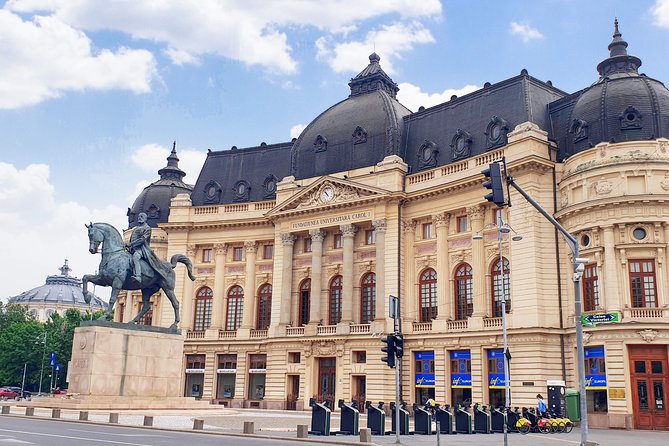
Next up is the Tomb of the Unknown Soldier. This is a Mausoleum of Socialist Heroes, tied to the fight for the motherland. Plan for about 30 minutes, and the stop is listed as free admission.
This is a smart contrast stop. You go from the personal power symbol of a residence to a public monument framed around collective sacrifice. Communist regimes often used monuments and ceremonies to shape identity. This one helps you see how the state tried to define what people should feel proud about.
Time is short here, which is good. You get enough context to understand why a mausoleum can function like propaganda, then you move on before it turns into a checklist photo stop.
Stop 3, Piața Revoluției (Revolution Square): where anti-communist energy peaked
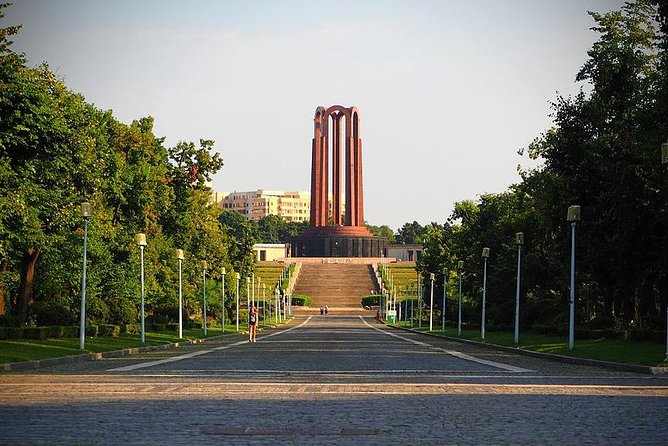
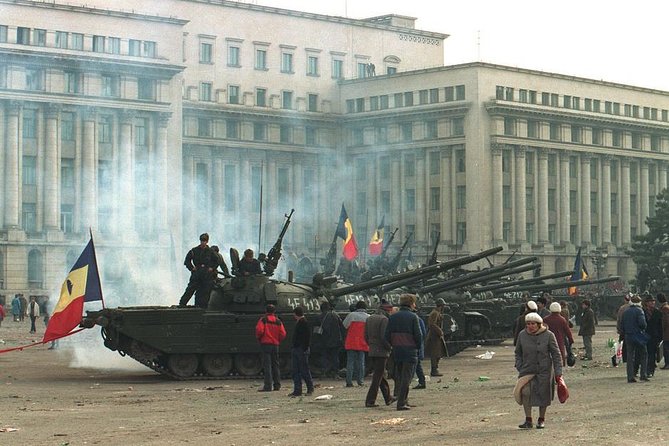
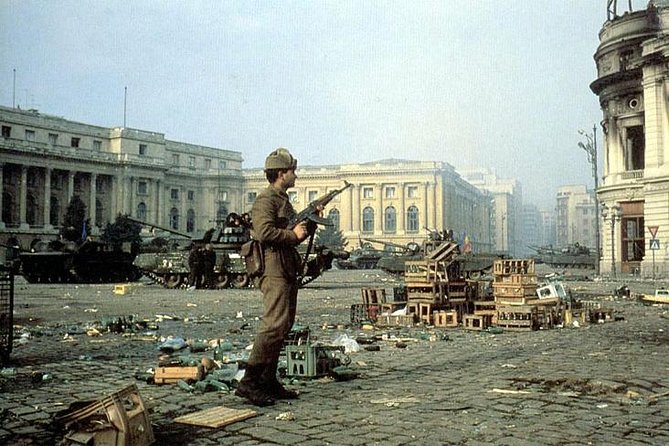
Then you arrive at Piața Revoluției, the tour’s next anchor point. This is described as the Communist Party Headquarters area and the hotspot of the anti-communist demonstrations. Expect around 30 minutes, with free admission.
This stop is where the story becomes more than “how the system worked.” It becomes “how it cracked.” The location is tied to the intensity of 1989 events, and the way the narrative is delivered helps you connect public unrest to specific places.
Practical note: you may want comfortable shoes and a bit of patience with street energy. Revolution Square is exactly the type of place where crowds, traffic timing, and light conditions can make photos tricky. The guide’s job is to keep you focused on what matters, and this tour is built for that.
Stop 4, Palace of Parliament (People’s House): outside views and added context
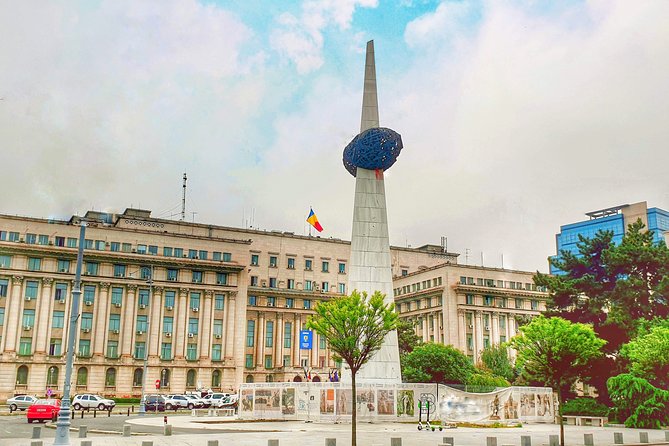
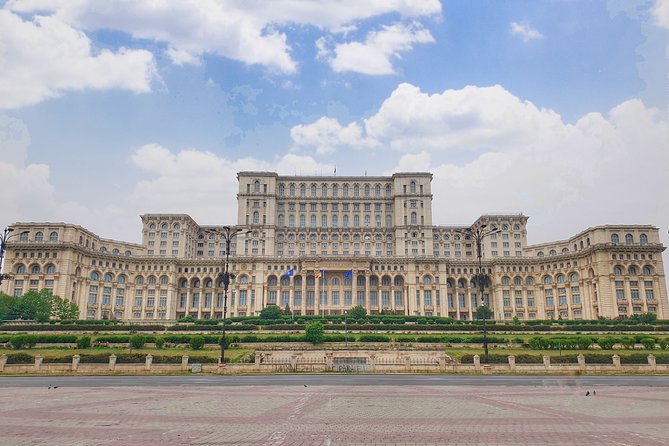
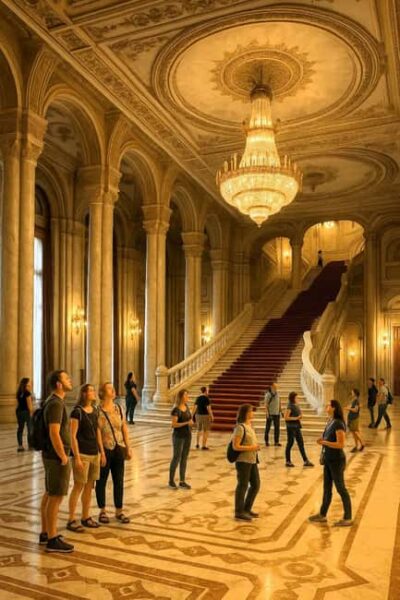
Stop 4 is the Palace of Parliament, often described as the People’s House, plus context around the Victory of Socialism Boulevard from the outside. The listed time is about 25 minutes, and admission tickets are not included.
Here’s what you should understand: the tour gives you exterior framing and story context within a tight schedule. There is also an optional visit inside, depending on opening times, but it is not guaranteed.
Why this stop earns its place: it represents scale. Even if you never go inside, the building’s size and symbolism tell you a lot about what the regime wanted the world to notice. Communism in Romania was not only about ideology. It was also about display and control.
Possible drawback: if you really want interior rooms and detailed architectural walk-through time, you may need extra time beyond this half-day window. The tour can only do what opening times allow, so build flexibility into your expectations.
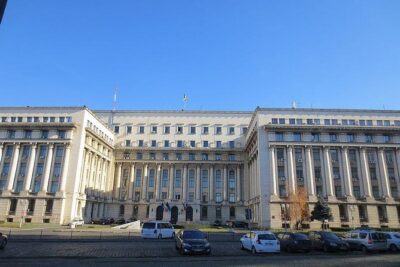
Stop 5, Ministry of Internal Affairs: exterior visit of former party power

Your final stop is the Ministry of Internal Affairs, described as the former headquarters of the Central Committee of the Romanian Communist Party. It is an exterior visit, about 30 minutes, and free admission.
This stop is about the machinery behind the system. The interior may be the kind of place you could never comfortably explore on your own without the right permissions. From the outside, the guide can still explain why internal power mattered and how governance and enforcement connected.
Exterior stops work well when your guide is good at “making the invisible visible.” This tour is built around that idea, especially with audio and video testimonial content and a structured narrative that ties each stop back to the investigation theme.
The guide matters, and Marius is a standout here
A big part of why this works so well is the guide. Marius is specifically mentioned as a knowledgeable and pleasant presence, with storytelling that connects the revolution narrative directly to the sites you see.
One detail I really like in this setup: the guide uses multiple formats, including narration supported by audio and video testimonials and a set of written materials you can keep. That keeps the day from feeling like a single stream of information.
Also, the pacing seems designed to avoid fatigue. A tour that runs 4 to 5 hours can still feel rushed if the stops are poorly timed. Here, the schedule keeps most stops at about 25 to 30 minutes, with only the Ceaușescu Mansion getting a full hour.
Who this tour is best for (and who might want something else)
This is ideal for you if:
- You like political and social history and want the story tied to specific Bucharest locations.
- You want a tour that feels like an investigation, with takeaways instead of just a couple of photos.
- You enjoy a guide who can connect events in 1989 to the streets and buildings you’re standing in.
It may not be the best fit if:
- You mainly want museum-style interior time. This plan uses exterior views for several stops, and interior access at ticketed locations depends on opening times.
- You expect the day to be focused on one single site in-depth. The strength here is coverage, not spending half your time in just one building.
Comfort and logistics: pickup, private car, and a mobile ticket
The tour is set up to be low-friction. You get pickup from centrally located hotels or accommodations, and you travel in a private air-conditioned vehicle with WiFi. That means you avoid the “how do we get there” moment mid-trip.
You also get a mobile ticket, and confirmation is received at booking time. In plain terms, it’s designed so you can spend your energy listening instead of figuring out where to meet and what to print.
One more perk that sounds small but helps: because it is a private tour, you will move through the route as a single group, not as an open-ended crowd. That usually means fewer delays and less waiting.
Optional upgrades you should think about before booking
Two places are flagged as ticketed if you want to go inside:
- Ceaușescu Mansion, admission not included, with an optional visit depending on opening times
- Palace of Parliament, admission not included, with an optional visit depending on opening times
If your dream day is “see the outside and keep moving,” you can still do the core experience without paying for those interiors. If you want interiors, check your dates and allow a little flexibility, because access is tied to schedules.
Weather and the pace of a half-day
The experience notes that it requires good weather. That’s pretty important for an itinerary built on multiple stops in a city. If rain hits hard, plans may change, and you might be offered a different date or a refund.
In terms of pace, the schedule is tight but not frantic. Most stops are around 25 to 30 minutes, which is a good length for understanding the story without turning it into standing around too long.
So, should you book the Communism Investigation Tour?
If you want an easy way to understand Romania’s communist era through real Bucharest locations, I think this is a smart booking. The combination of a private vehicle, a guide who explains the context, and a dossier-style take-home makes it feel more like learning than sightseeing.
I would especially recommend it if you are traveling with a history bent and you like your tours structured. The main reason to pause is if your priority is guaranteed interior access at the biggest buildings, because tickets are not included and optional visits depend on opening times.
If you are curious, this is the kind of tour that helps you walk out with a clearer story than you had when you started.
Latest reviews from around Bucharest
- LiBEARty Brown Bear Sanctuary and the most important castles from Romania★ 5.0 · 4 reviews
- Hike Bulgaria Love Swing, Veliko Tarnovo and Tarevet Fortress★ 5.0 · 4 reviews
- Bucharest Private Tour with Dracula’s Grave and Ceaușescu Mansion★ 5.0 · 4 reviews
- Hiking in Bucegi Mountains in the Carpathians, Private tour★ 5.0 · 4 reviews
- Dracula Experience In Transylvania★ 5.0 · 4 reviews
- Bucharest Sightseeing – Half-Day Private Tour★ 5.0 · 4 reviews
- Bison Sanctuary, Vlad the Impaler Princely Court & Dracula Grave★ 5.0 · 4 reviews
- Private 6-Day Dracula Tour in Transylvania from Bucharest★ 5.0 · 4 reviews
Communist-Era Bucharest, compared.

Bucharest: Communism and History Guided City Walking Tour
Read our review →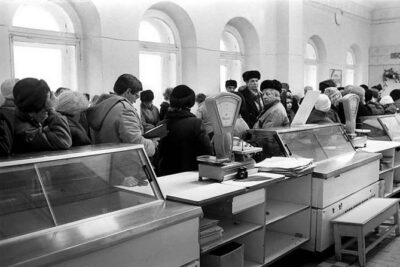
Bucharest: Parliament, Ceausescu House & Village Museum Tour
Read our review →
Bucharest Essential Tour: Old Town, Calea Victoriei & Communism
Read our review →
Communism in Bucharest – Landmarks, Museum & Communist Appetizers
Read our review →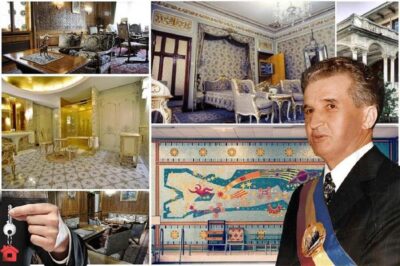
Palace of Parliament, Ceausescu House & Village Museum
Read our review →Browse the lists this tour appears in