
Reviewed · COMMUNIST-ERA BUCHAREST
Timisoara: Grand Communism Tour
What makes the Timisoara Grand Communism Tour interesting is how it turns politics into real places you can point to. I love the small group size (limited to 10) and the storytelling guides who make the communist era feel human, not abstract. One drawback to consider is that the topics are heavy, since the tour covers Romania’s darkest days and the violence around the revolution.
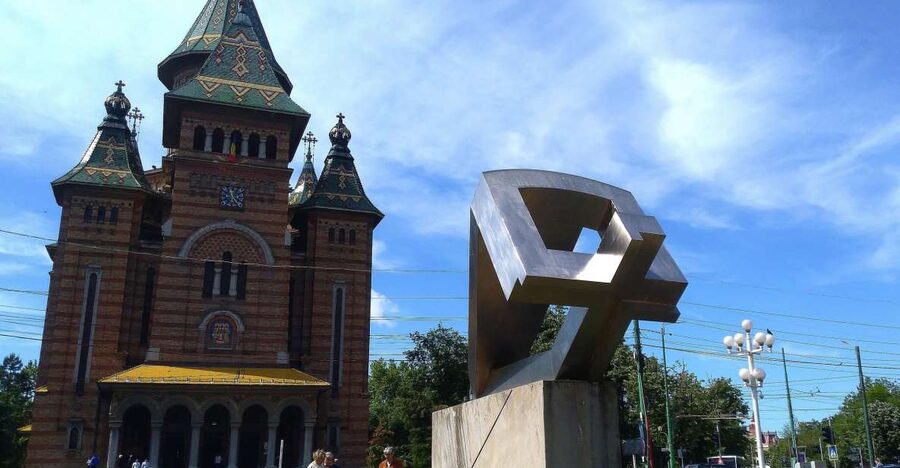
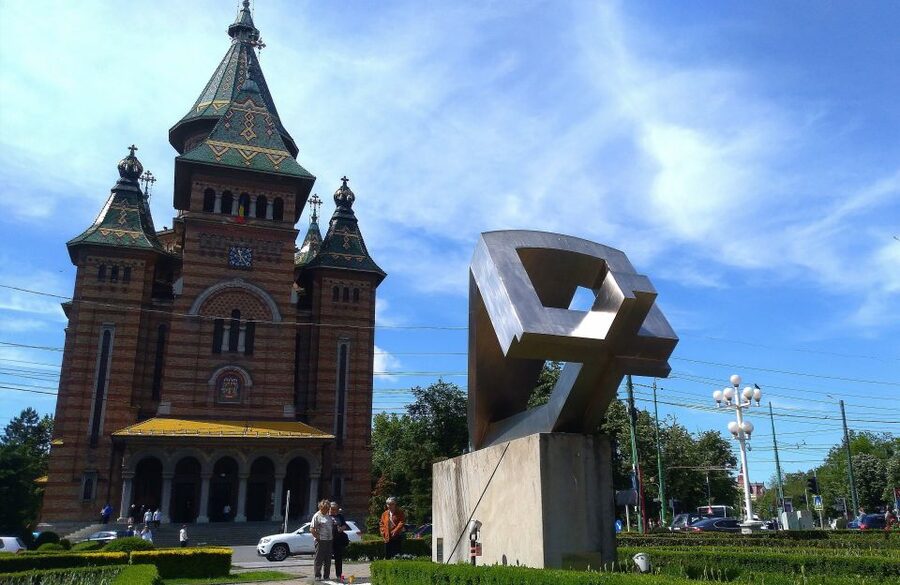
You will walk a focused route in just 3.5 hours, starting at the Orthodox Cathedral meeting point. The tour runs with transportation between stops and is guided in English or Romanian, so it is built for clarity and comfort, not just reading signs on your own.
Key highlights you will feel on the walk
- Start at SCARTZ, then go underground to the Communist Customer Museum basement
- Hear names and timelines tied to Ceausescu and the 50-year political shift
- Visit monuments of resistance from the 1950s and 1960s
- See the church linked to December 1989 and the uprising’s early momentum
- Finish at the Revolution Memorial, with a separate 20 RON entrance fee
A 3.5-hour route through Timisoara’s 1989 shockwaves
This is one of those tours where timing matters. In 3.5 hours you do not just collect facts about communism. You get a guided storyline that connects the buildup to 1989 with the streets and sites where that story unfolded.
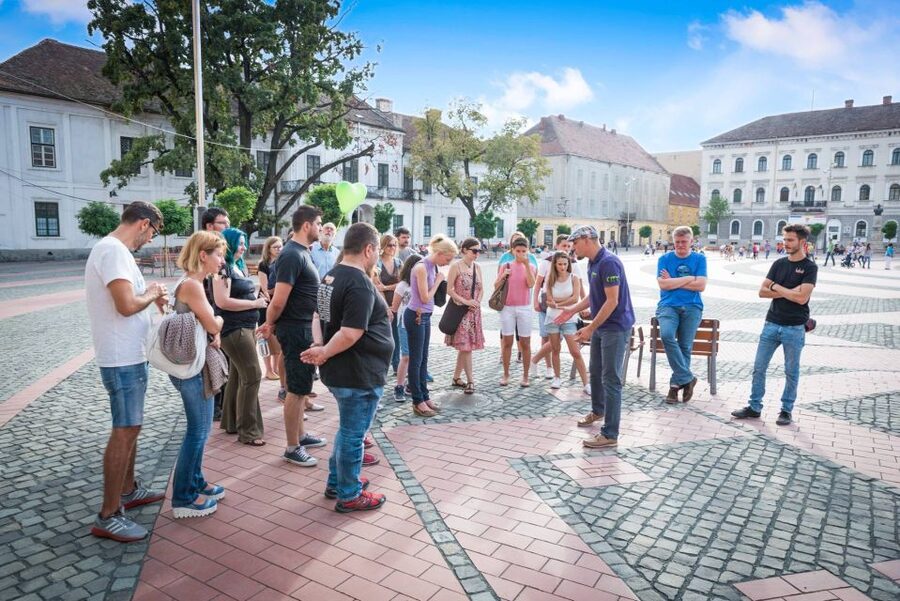
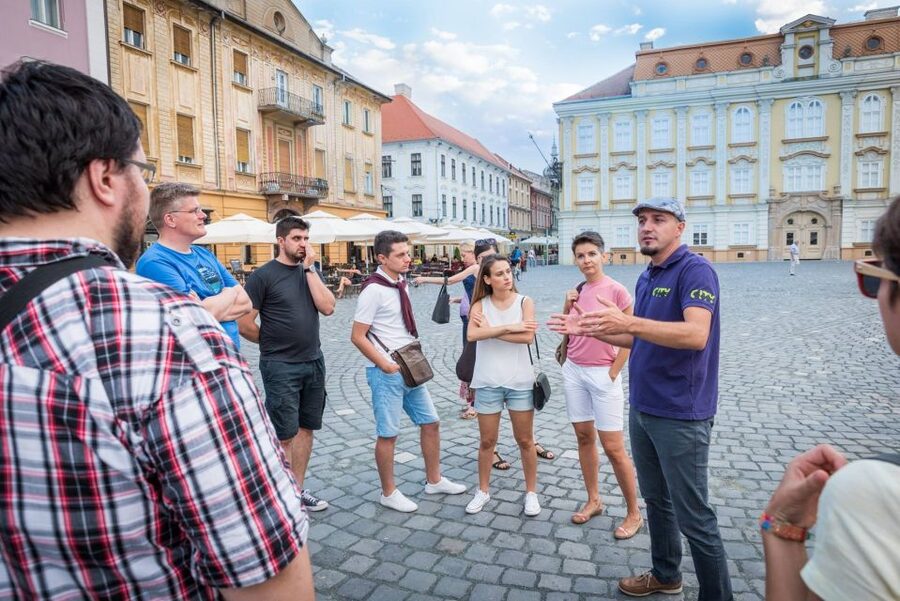
The tour is also intentionally small. With a limit of 10 participants, you are more likely to ask questions and actually hear the answer, instead of listening to a speaker talk into a crowd. You also get transportation between stops included, which keeps the pace realistic and lets you spend more energy listening and less energy navigating.
One more thing I appreciate: it is not only about the top leaders. The stops are set up to show how ordinary life and local courage intersected with big geopolitics. You will hear about Romania’s “most notorious” communist figure, Nicolae Ceausescu, but the route keeps pulling you back to what people did, feared, and risked.
If you want a lightweight city stroll, this is not that. If you want a clear, guided explanation of why Timisoara became a spark in 1989, this format works.
More of communist-era Bucharest:
- The Grand Tour of Communist Ages at Timisoara
★ 5.0 · 17 reviews - Bucharest: Communism and History Guided City Walking Tour
★ 4.9 · 918 reviews - The Real tour of Communism
★ 5.0 · 666 reviews
Meeting at Orthodox Cathedral, then SCARTZ’s Communist Customer Museum
Your tour starts in front of the Orthodox Cathedral, and from there you head to the misfit SCARTZ club area. That first stop sets the tone. Instead of beginning with grand official buildings, you start with a place that feels more contemporary, which makes the historical contrast hit harder once you turn to what happened underneath.
The next key moment is the Communist Customer Museum, located in the basement of SCARTZ. Going underground is a smart way to frame the subject. You are not just hearing that communist life was controlled. You are literally stepping into a space designed to stage that experience for visitors.
From there, your guide links the communist era to the broader political story in Romania over roughly 50 years, and how that timeline helped lead to the Romanian Revolution of 1989. It is a lot to take in, so the best thing you can do is keep your curiosity switched on and let the guide’s narrative do the organizing. If you try to multitask, you will miss the connective tissue that makes the tour feel like one story instead of a set of disconnected stops.
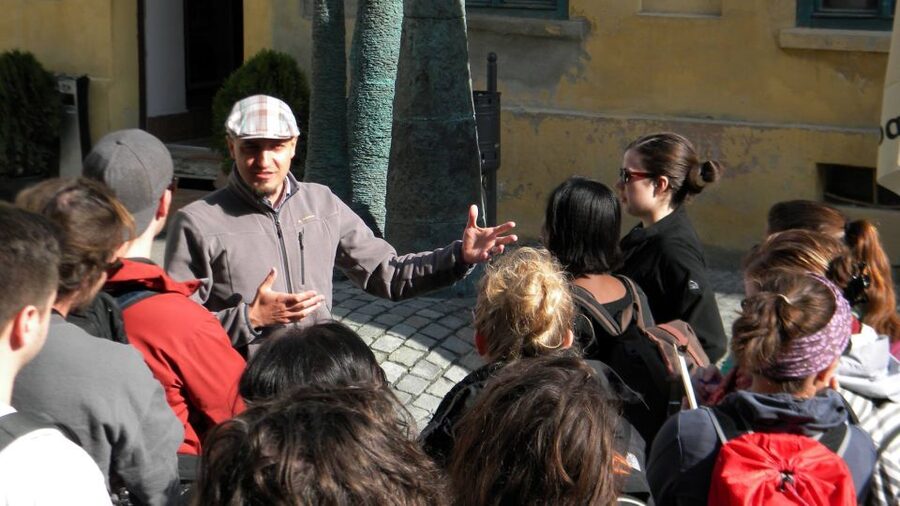
Guide quality is a major part of the value here. In English, you can expect clear explanations. Andrei is one example that comes up, with English described as flawless, plus an international background that makes conversations feel natural. Sergio or Sergiu has also been praised for professionalism and a route that avoids the obvious. If your guide has a similar style, you will get more than a lecture, you will get a guided walk with context.
Resistance in the 1950s and 1960s at the Anti-Communist Monument
After you leave the museum setting, the tour shifts from the museum-style storytelling to public reminders in the landscape. Your next stop is the Anti-Communist Resistance Movement Monument.
This part matters because it pushes you beyond the usual “communism ended in 1989” framing. You hear how Romanians opposed the communists during the 1950s and 1960s, even though the power structures were at their most entrenched. That time period is easy to overlook when you only focus on the revolution years. Here, it becomes part of why resistance had momentum later.
What I like about this stop is that it gives you time to absorb the tone of opposition. Monuments like this are not neutral objects. They are deliberate reminders, designed to keep certain memories from being erased. If you listen carefully, the guide’s explanation helps you read what the monument represents, not just what it looks like.
A practical tip: at outdoor monuments, you will rely on your guide’s pacing. If it is windy or cool, dress accordingly so you can stay present. This tour is built to keep moving, and you will get more out of it if you are physically comfortable during these more reflective moments.
Reformed Hungarian Church, where December 1989 started
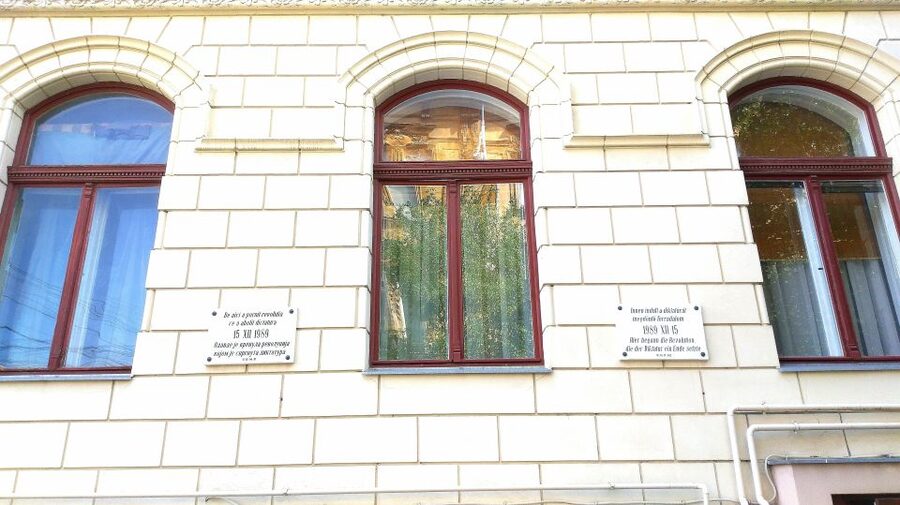
Then comes one of the most important sites on the route: the Reformed Hungarian Church. This is where the uprising started in December 1989, according to what the tour explains. It is also described as the local headquarters of the former Communist Party, which adds a striking layer of irony to the location.
You are standing in a place where, historically, power and rebellion overlap in the same physical footprint. That is exactly the kind of detail that helps the tour feel grounded. It is not just history as dates. It is history as geography, and how specific places can flip from control to resistance.
This stop also helps you understand the “why Timisoara” question. Timisoara is not only a Romanian city. It became a focal point for events that helped trigger the national revolution path in 1989. Your guide connects the dots so the church becomes a symbol you can place in the broader timeline, not just a single dramatic anecdote.
If your guide includes personal perspective, this is a great moment for it. Some guides bring family stories that link everyday life under communism to what people later did in the revolution period. That kind of firsthand framing is often what makes the tour stick, because it gives the facts a human temperature. Roberta, for example, has been described as very knowledgeable, with personal, first-hand lived experience woven into explanations.
More Timișoara options to weigh up
- The Classic Tour of Timisoara
★ 5.0 · 154 reviews - Weekly Guided Tour in English – Tuesday, Thursday, Saturday
★ 5.0 · 84 reviews - Timisoara All in One – Walking and Tram Tour
★ 5.0 · 72 reviews - Weekly Guided Walking Tour – Tuesday, Thursday & Saturday
★ 5.0 · 49 reviews
Cemetery of Revolution Heroes and the last stretch to December 1989
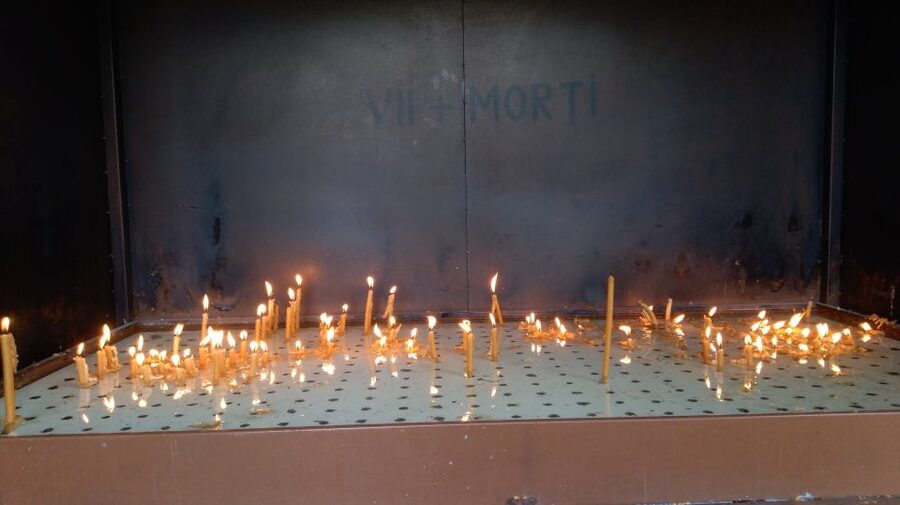
After the church, the route continues to the Cemetery of Revolution Heroes. This stop shifts the tone from narrative setup to final consequences. You learn about the final events that led to the end of Ceausescu’s regime.
It is also one of those stops where the guide’s role is crucial. Cemeteries linked to political violence can feel overwhelming if you treat them like a typical sightseeing stop. With a good guide, you understand who is remembered and why those events mattered. Without that guidance, you might only register names and dates without the emotional and political meaning.
You will likely feel the tour tightening toward the climax of 1989. The guide explains more about the Anti-Communist and Anti-Ceausist Revolution of Timisoara, so the story moves from the spark to the outcomes. That structure is practical. It helps you remember the sequence: resistance and buildup, uprising momentum, and then the endgame that altered Romania’s political future.
If you are sensitive to intense historical topics, give yourself permission to process. A short break, a slow breath, even a moment of silence is part of being a good listener here.
Revolution Memorial of Timisoara, plan for the 20 RON entrance fee
The tour ends at the Revolution Memorial of Timisoara. This site honors the brave people of the Anti-Ceausist Revolution of Timisoara, and the explanation ties that local courage to the end of Ceausescu’s regime in Romania.
Important practical detail: the entrance fee is not included. You should budget 20 RON for this final stop.
Why does that matter for your decision? Because it changes the real cost of the trip, and it can affect your timing at the end. If you want the best flow, keep some cash or payment ready and plan to arrive with a little extra time for the entrance step.
This final stop is where the guide’s storyline lands. If the earlier sites made you see the revolution as a chain of local actions, the memorial helps you feel the collective meaning. It turns the historical narrative into remembrance, and that is often what people want when they book a tour about painful history, they want something that explains, then acknowledges.
Price, group size, and guide quality: is $70 worth it?
At $70 per person for 3.5 hours, you are paying for more than a walk. You are paying for a guided narrative delivered by a knowledgeable local, plus transportation between stops.
Whether that is good value depends on what you want out of the experience. If you only want surface-level photos, the price will feel high. If you want a clear chain of events, a guided explanation of communism and its Romanian context, and a route that takes you to historically specific places, the value makes sense.
The biggest “hidden” value is the guide quality. The strongest praise centers on engaging storytelling, easy-to-follow explanations, and a fluent command of English. Andrei was highlighted for engaging delivery and flawless English, plus additional personal connection thanks to having studied in the Netherlands. Guides like Sergiu have been praised for professionalism and not taking the most obvious paths. And in several cases, guides bring family-linked stories from the communist era, which can make the whole period feel less like distant textbook material.
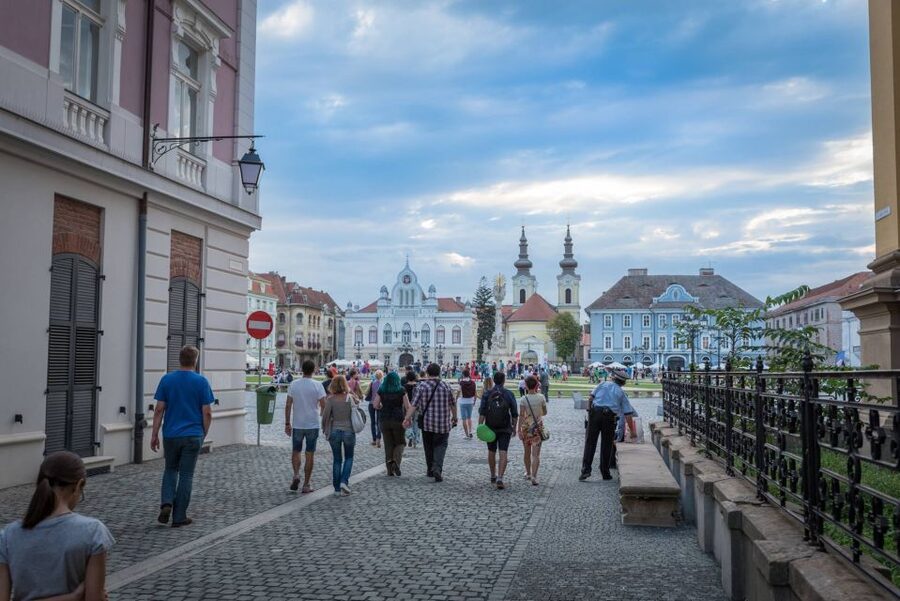
Also, the route itself is practical. You see areas that are not only the most touristic zones, which means you get a better sense of where daily life may have unfolded. That is what makes a history tour feel real, not like an itinerary of facts.
One consideration: the tour duration is short for the emotional weight of the content. You get a compact experience, not a slow museum day. If you want long reflection or lots of independent time, you may find 3.5 hours feels focused and dense. Still, that tight structure is usually a plus for people who want clarity fast.
Who should book this Grand Communism Tour?
I think this tour is a strong fit if you fall into one of these groups:
You are a history lover who wants context, not just names. The tour covers political history across about 50 years, then connects it to the Romanian Revolution of 1989 with specific locations in Timisoara.
You care about how events show up in cities. Instead of treating history as a distant topic, you will see how it is remembered through monuments, churches, and memorials.
You value guide performance. If fluent English and engaging storytelling are important to you, this tour has a track record of guides who communicate clearly and keep the walk lively.
You might skip it if you dislike heavy subjects. The tour is designed to address communism’s darkest days and the violence around the revolution. It can be moving, and you should be okay with that.
Finally, it helps to arrive with one simple goal: try to understand the sequence. If you track how each stop relates to the next, the whole walk becomes easier to remember.
Should you book this Grand Communism Tour?
Yes, if you want a short, guided, small-group way to understand why Timisoara mattered in Romania’s 1989 revolution story. The combination of focused sites, a basement museum stop, resistance and uprising moments, and an ending at the Revolution Memorial creates a clean narrative arc.
Book it especially if you know you will struggle to connect the historical dots on your own. The guide-driven storyline is the core value here, and the repeated praise for engaging communication, strong English, and thoughtful routes suggests you will not feel lost.
Just budget for the 20 RON entrance fee at the Revolution Memorial, and mentally prepare for heavy history. If that sounds like your kind of learning, this tour is a very practical way to spend a half-day in Timiș County.
FAQ
How long is the Timisoara Grand Communism Tour?
The tour lasts 3.5 hours.
Where do we meet for the tour?
Meet in front of the Orthodox Cathedral.
What languages is the tour offered in?
The live tour guide speaks English and Romanian.
What is included in the tour price?
The tour includes a tour guide and transportation between stops.
Is the entrance fee to the Revolution Memorial included?
No. The entrance fee to the Revolution Memorial is 20 RON and is not included.
How big is the group?
The tour is a small group limited to 10 participants.
Latest reviews from around Timișoara
- Timisoara Downtown Dream Tour★ 5.0 · 5 reviews
- The Jewish Heritage Tour of Timisoara★ 5.0 · 9 reviews
- Day Trip to Turda Salt Mine and Corvin Castle from Timisoara★ 5.0 · 10 reviews
- Bite your way through Timisoara – Timisoara’s Street Food Tour★ 5.0 · 14 reviews
- Ecumenical Tour of Timisoara★ 5.0 · 15 reviews
- One Day in Transylvania – Departure from Timisoara★ 5.0 · 16 reviews
- The Grand Tour of Communist Ages at Timisoara★ 5.0 · 17 reviews
- Danube Gorge & Banat Waterfalls★ 5.0 · 27 reviews
Communist-Era Bucharest, compared.

Bucharest: Communism and History Guided City Walking Tour
Read our review →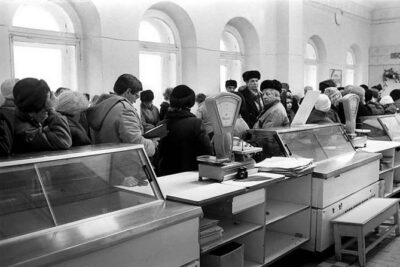

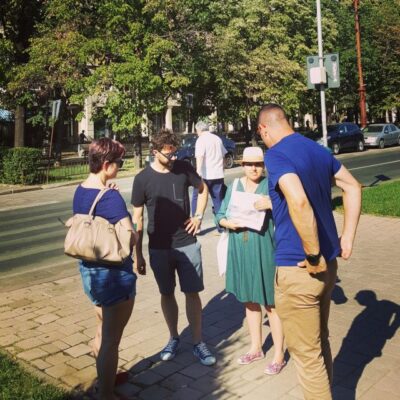
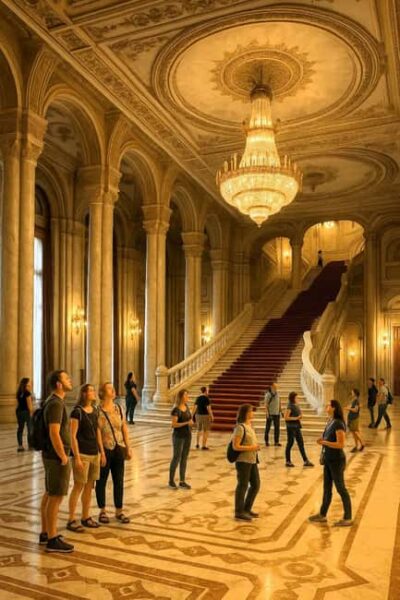
Bucharest: Parliament, Ceausescu House & Village Museum Tour
Read our review →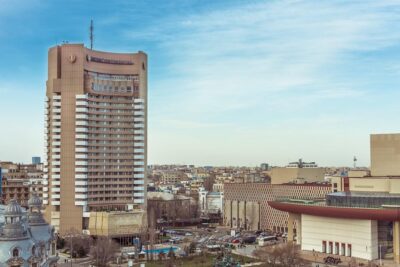
Bucharest Essential Tour: Old Town, Calea Victoriei & Communism
Read our review →
Communism in Bucharest – Landmarks, Museum & Communist Appetizers
Read our review →
Palace of Parliament, Ceausescu House & Village Museum
Read our review →Browse the lists this tour appears in